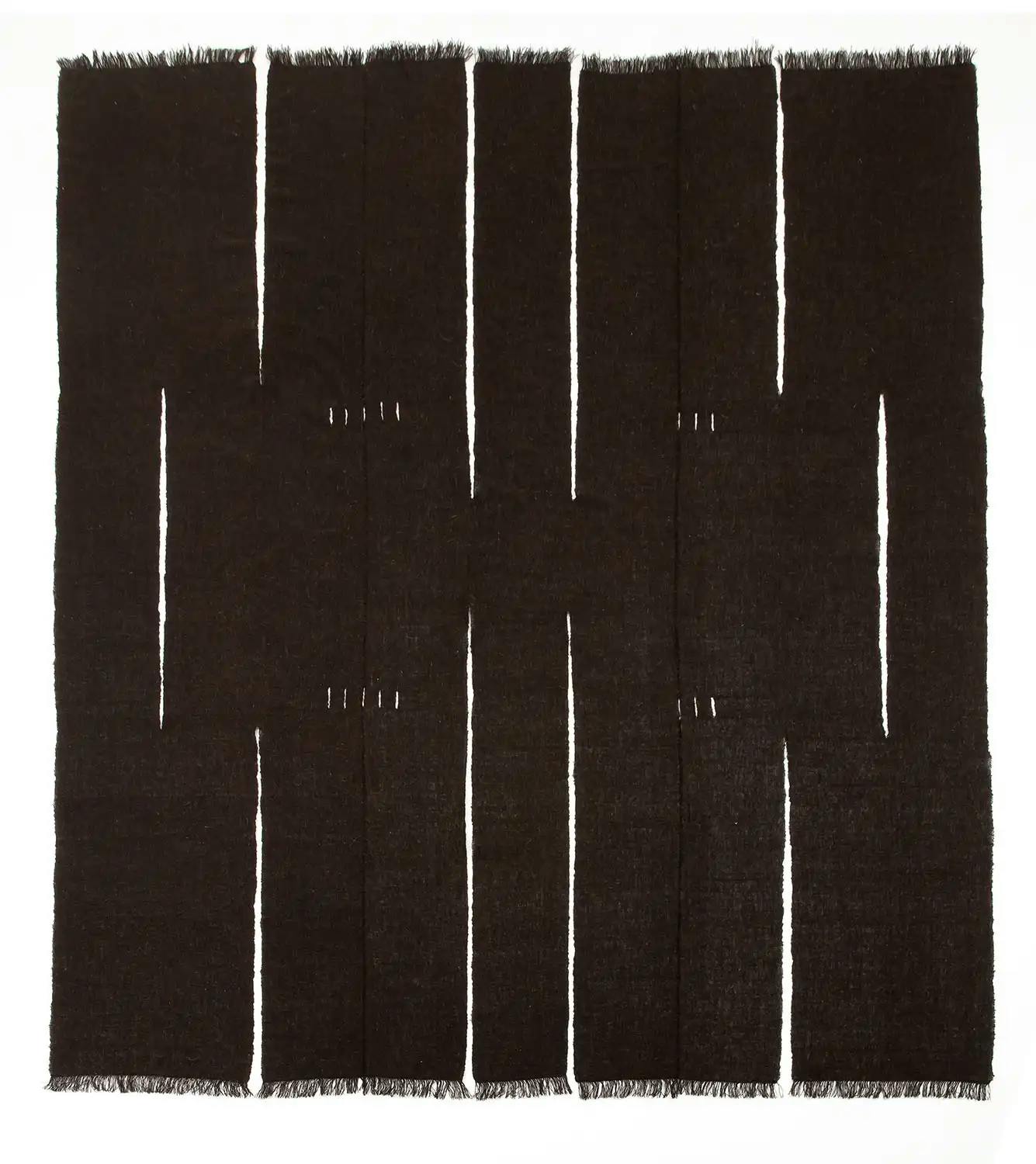
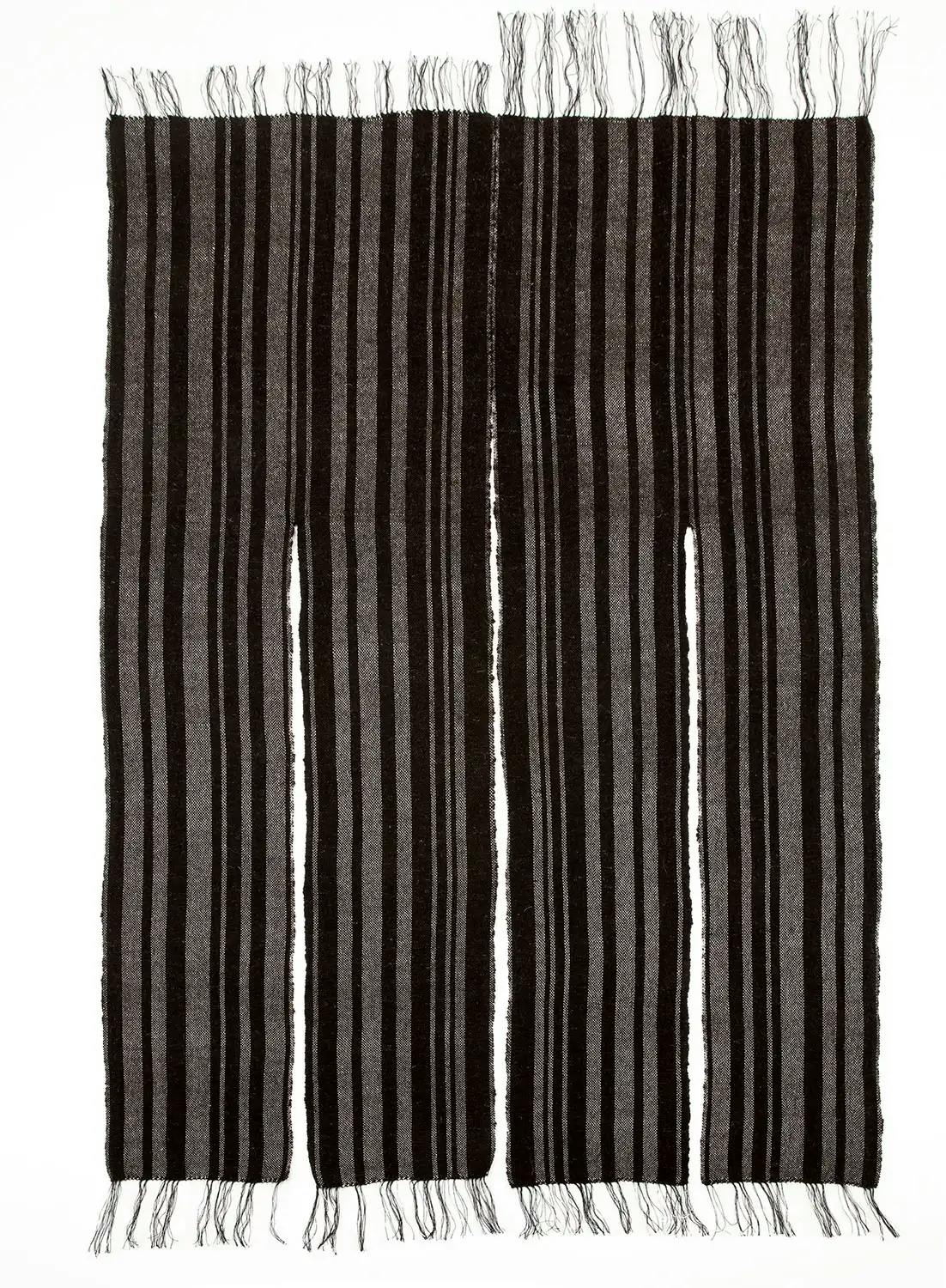
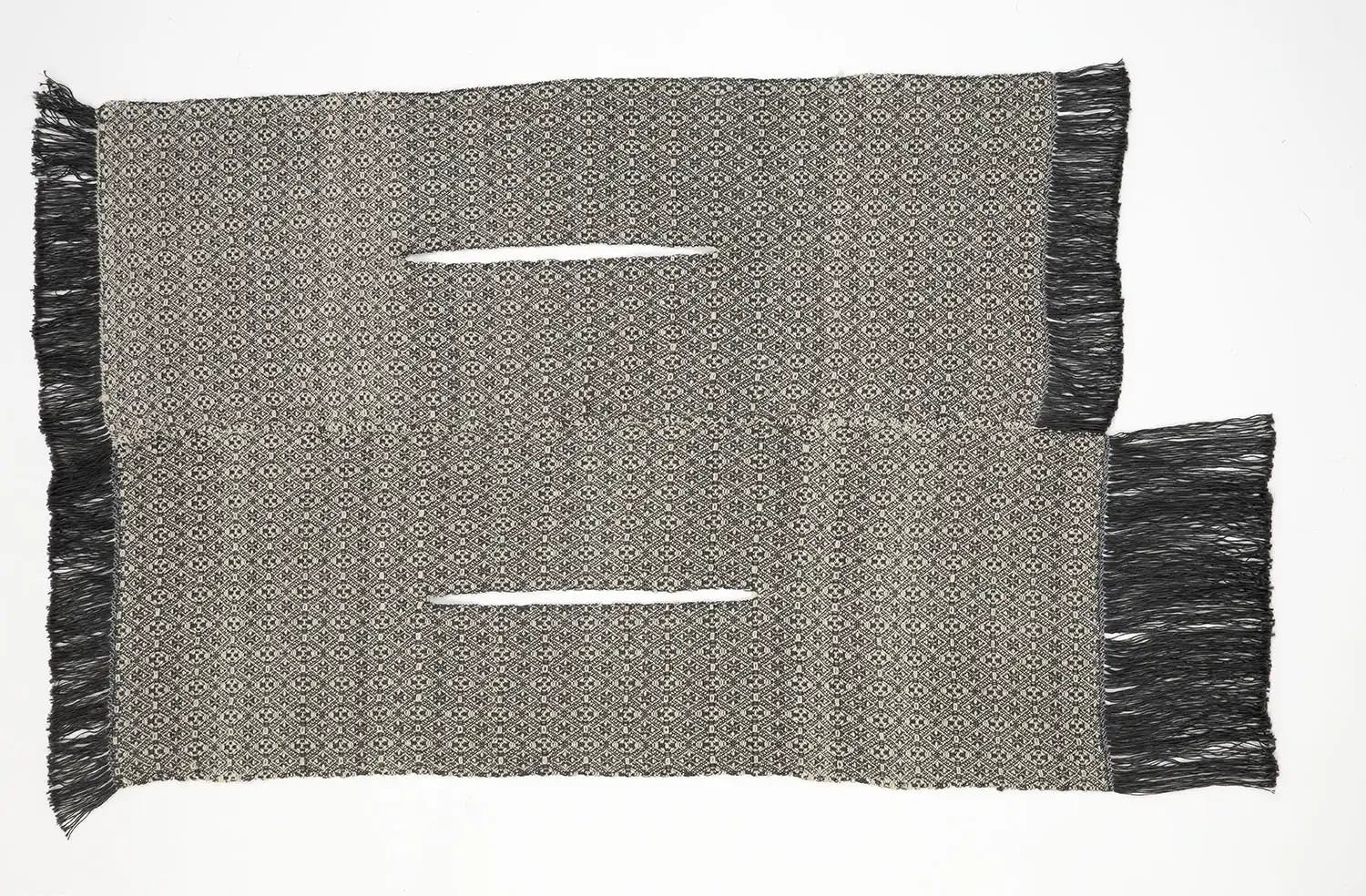
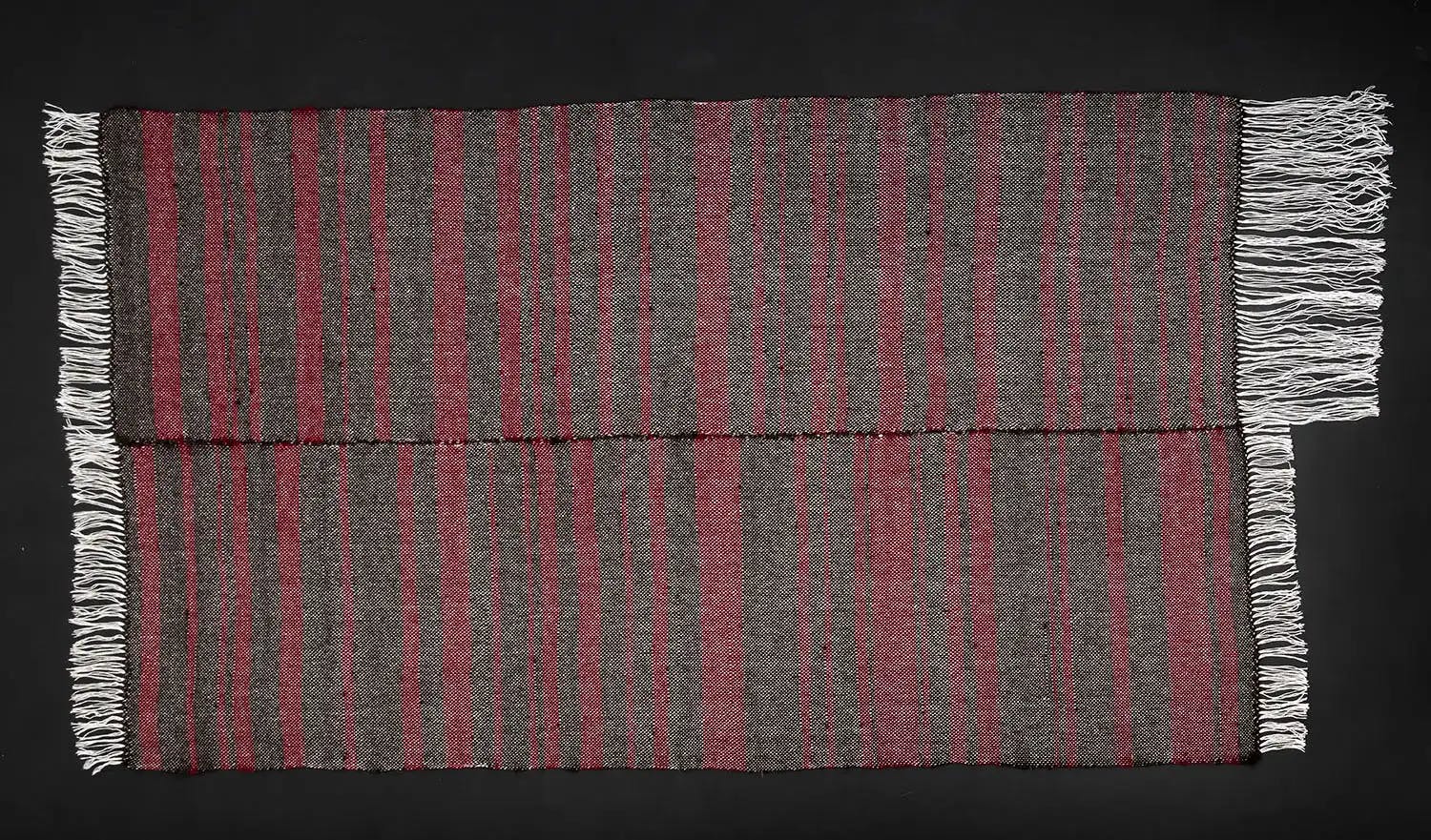
Project 1-1.
We Already Have Enough
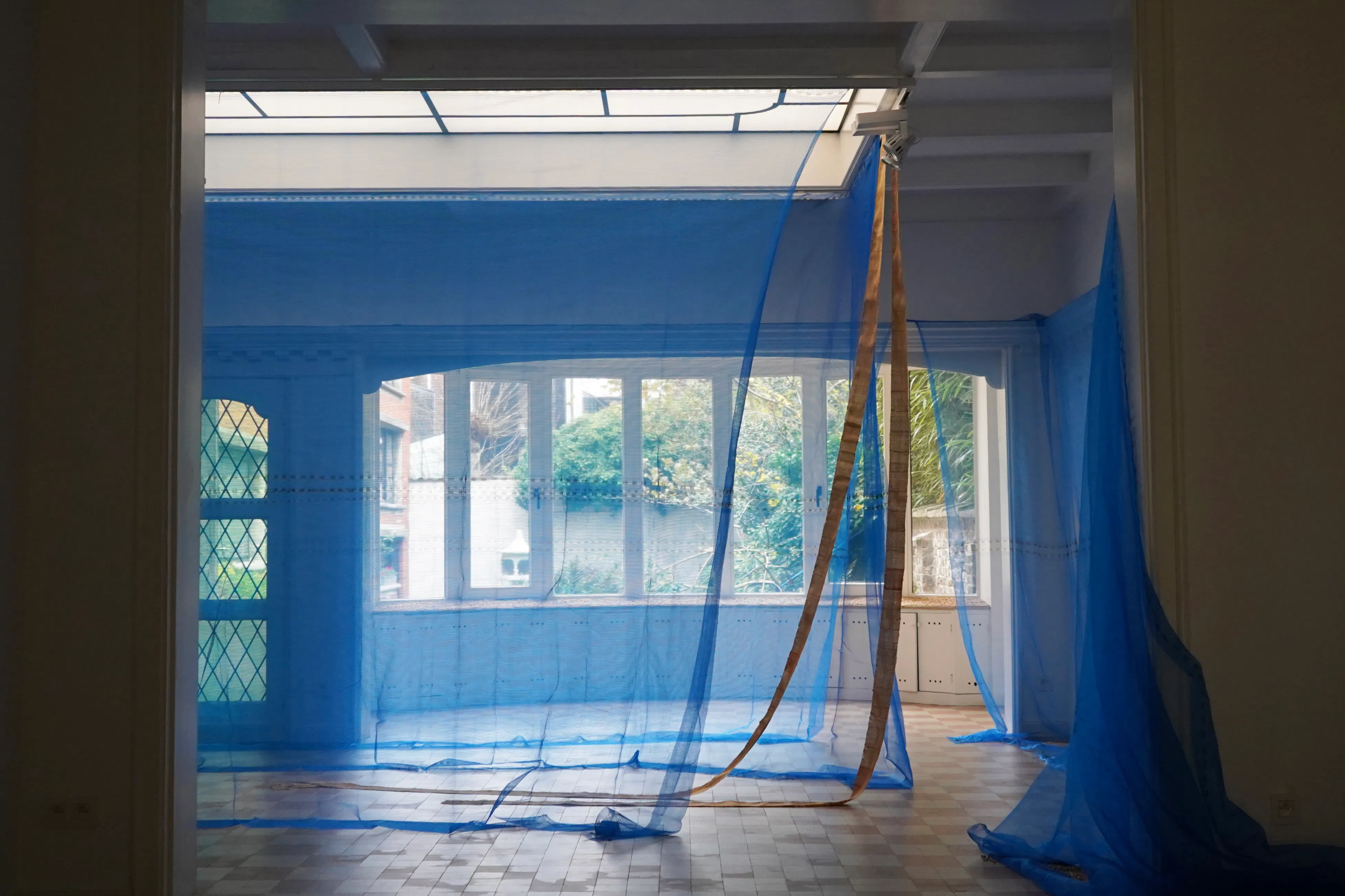
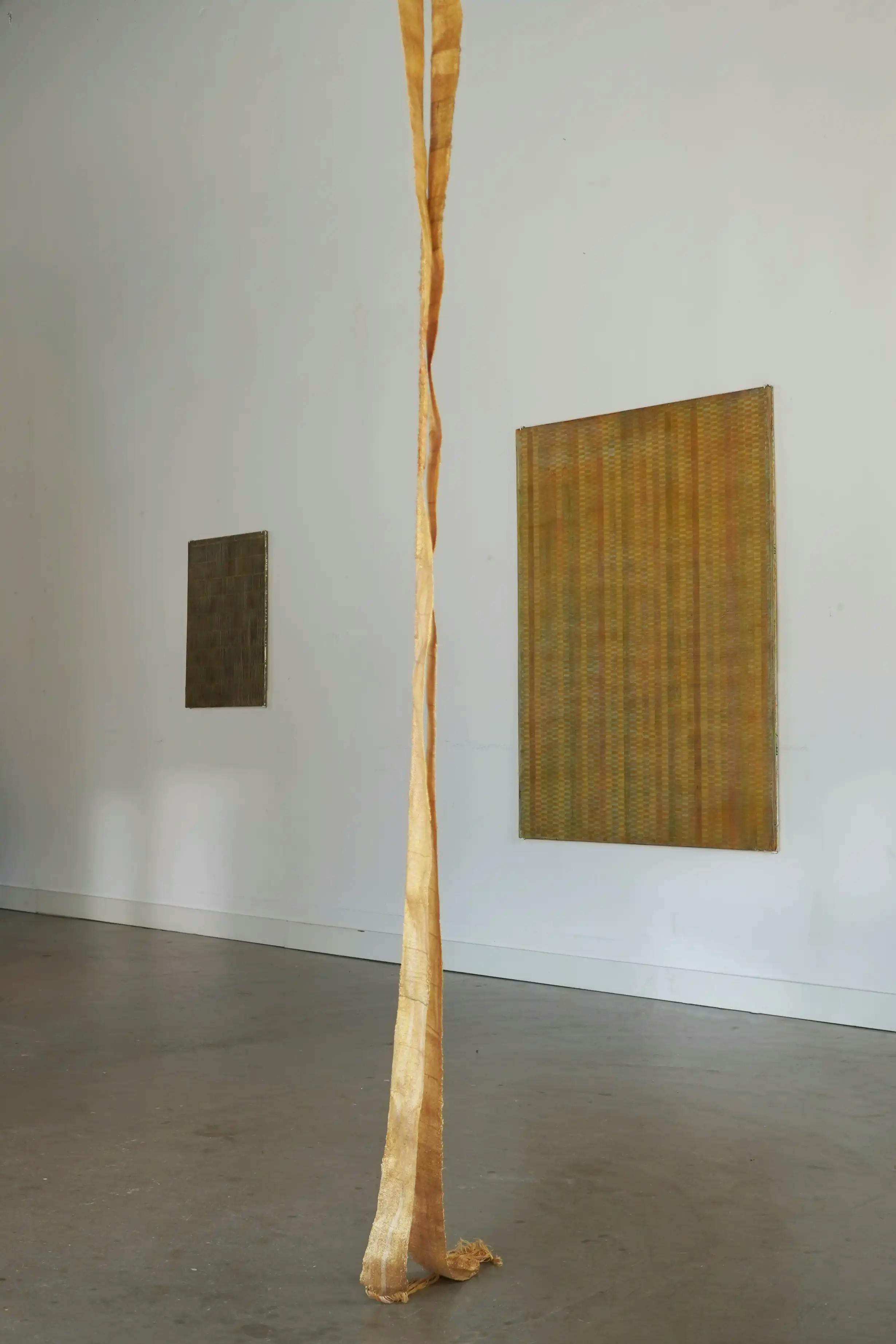
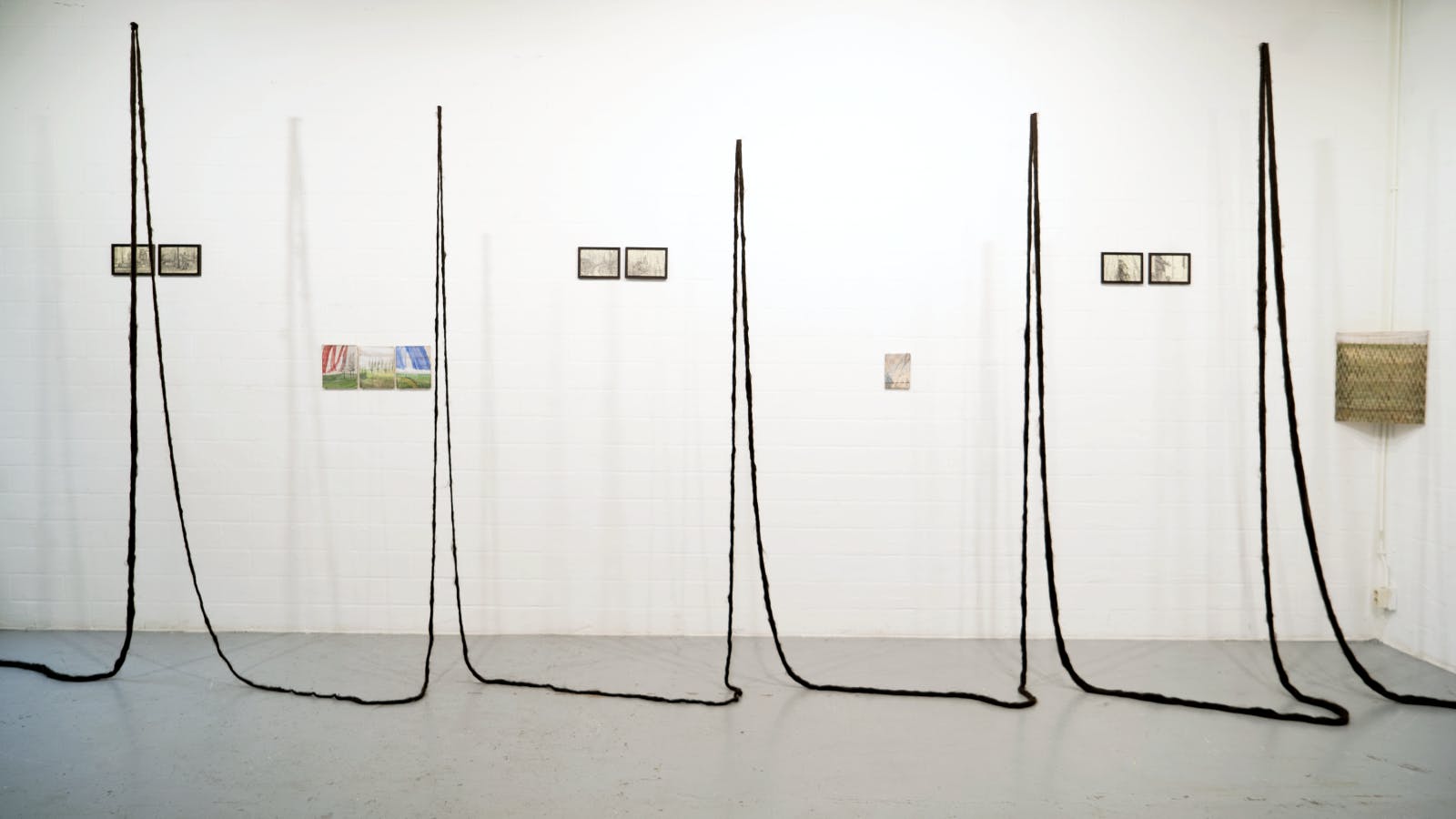
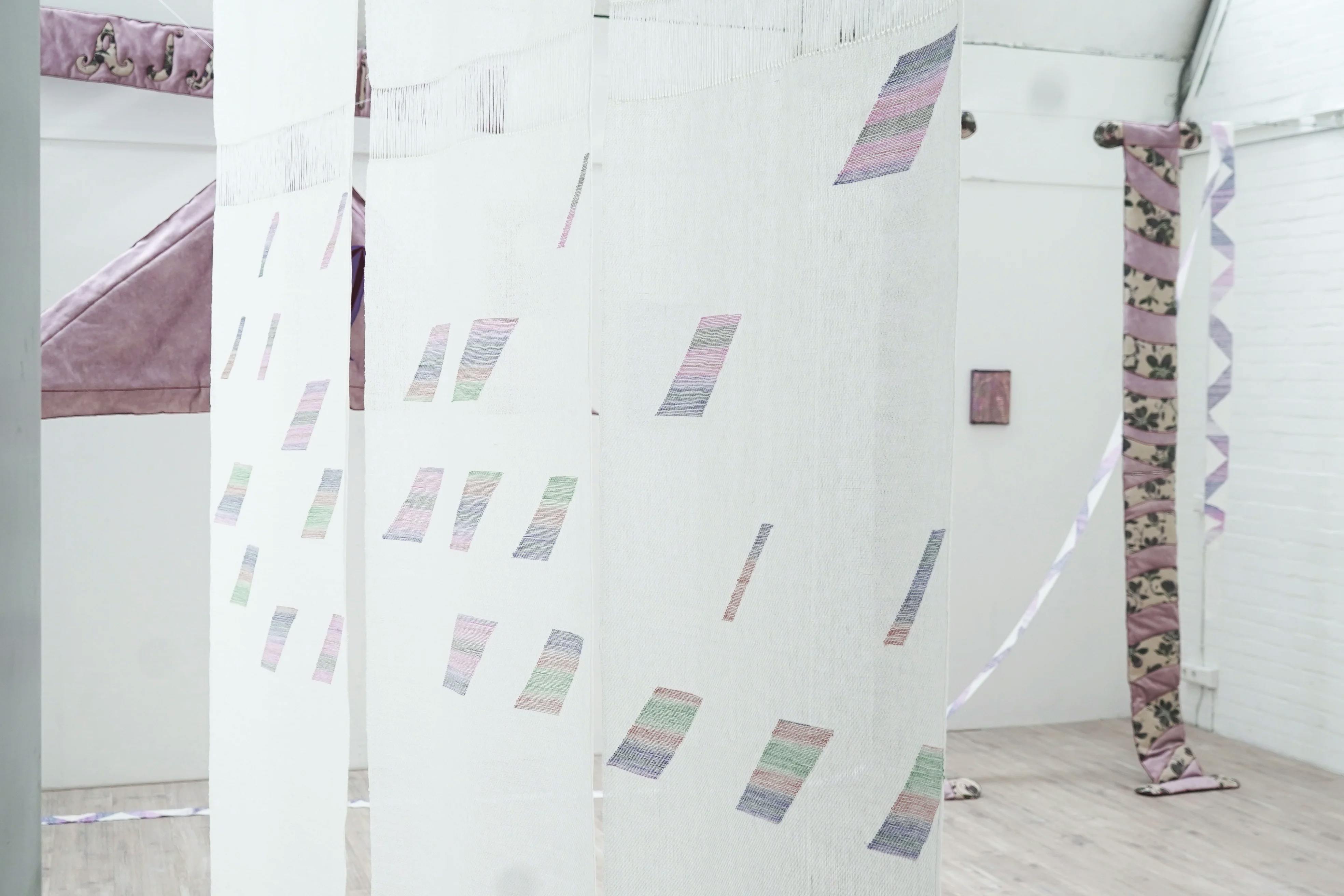
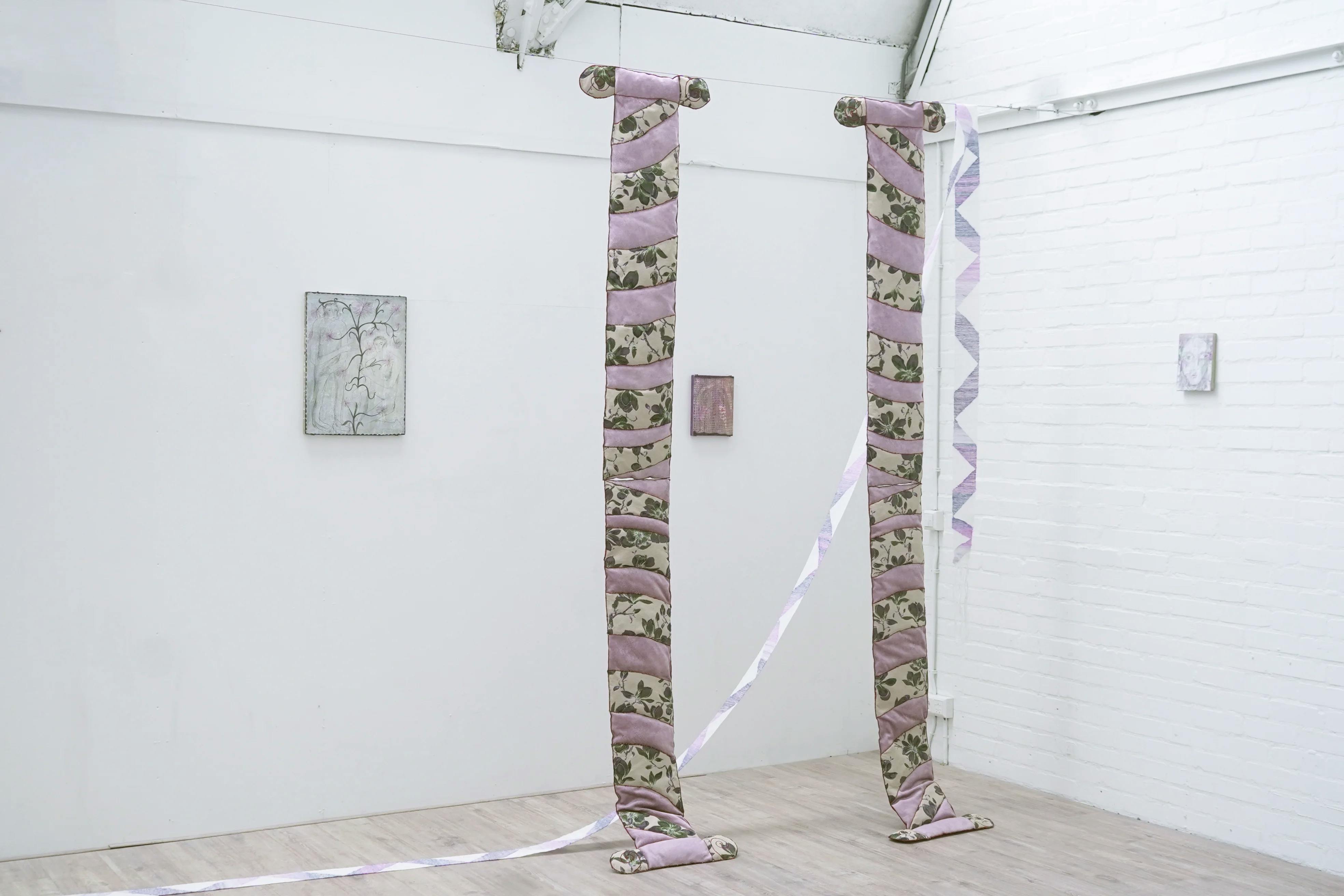
Fig 01. We Already Have Enough, (Installation view), The Wrong House, Kortrijk, Belgium, 2025
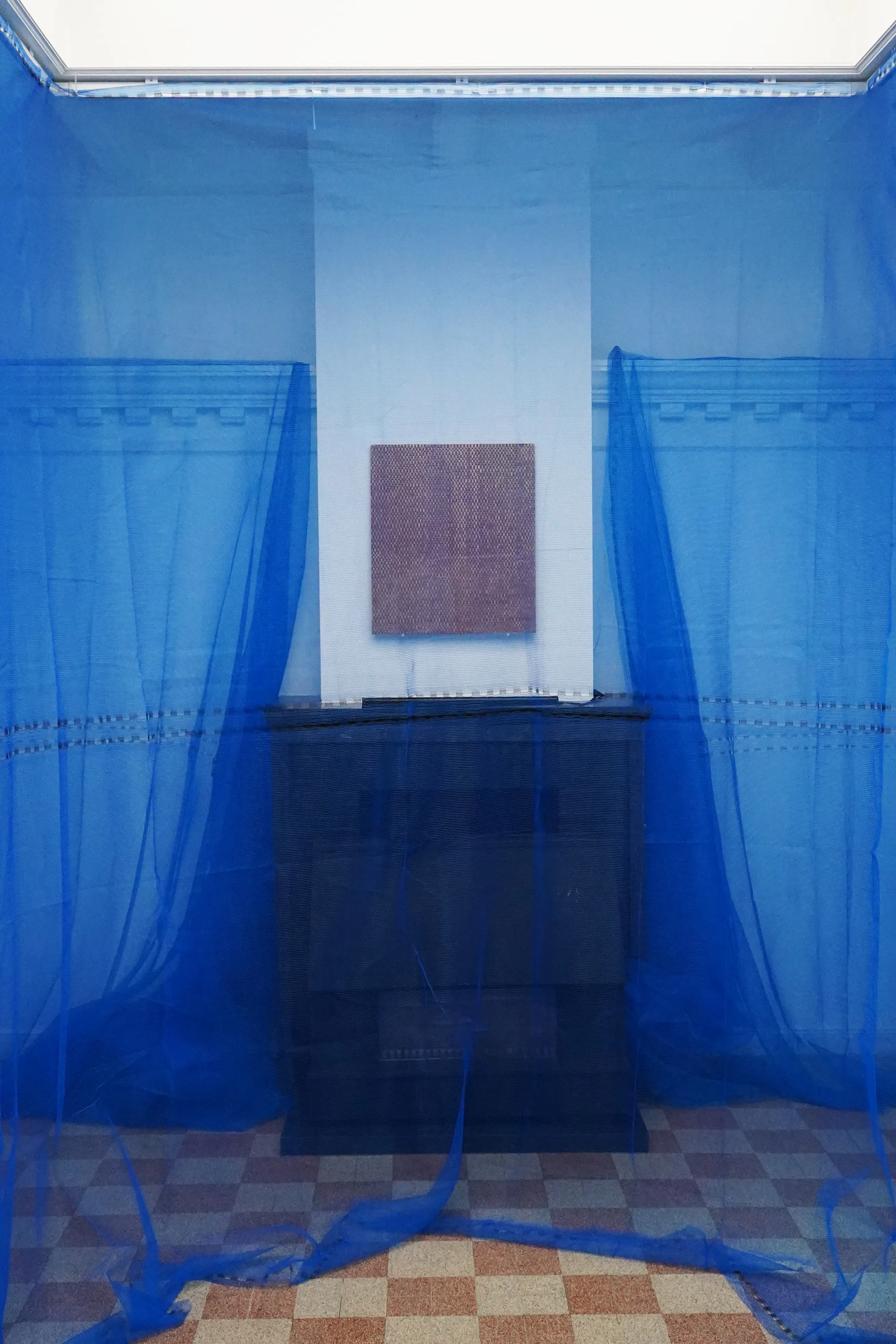
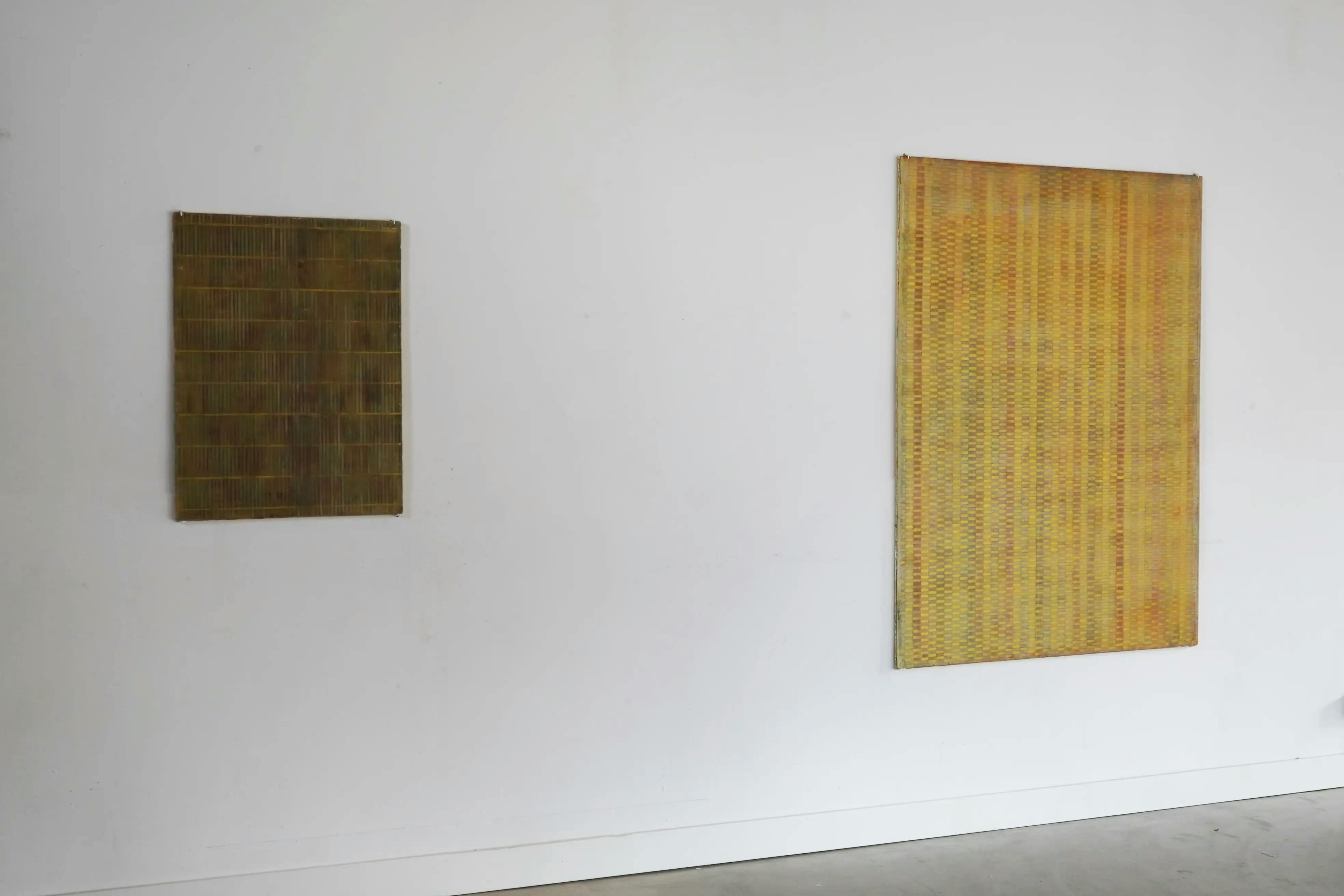
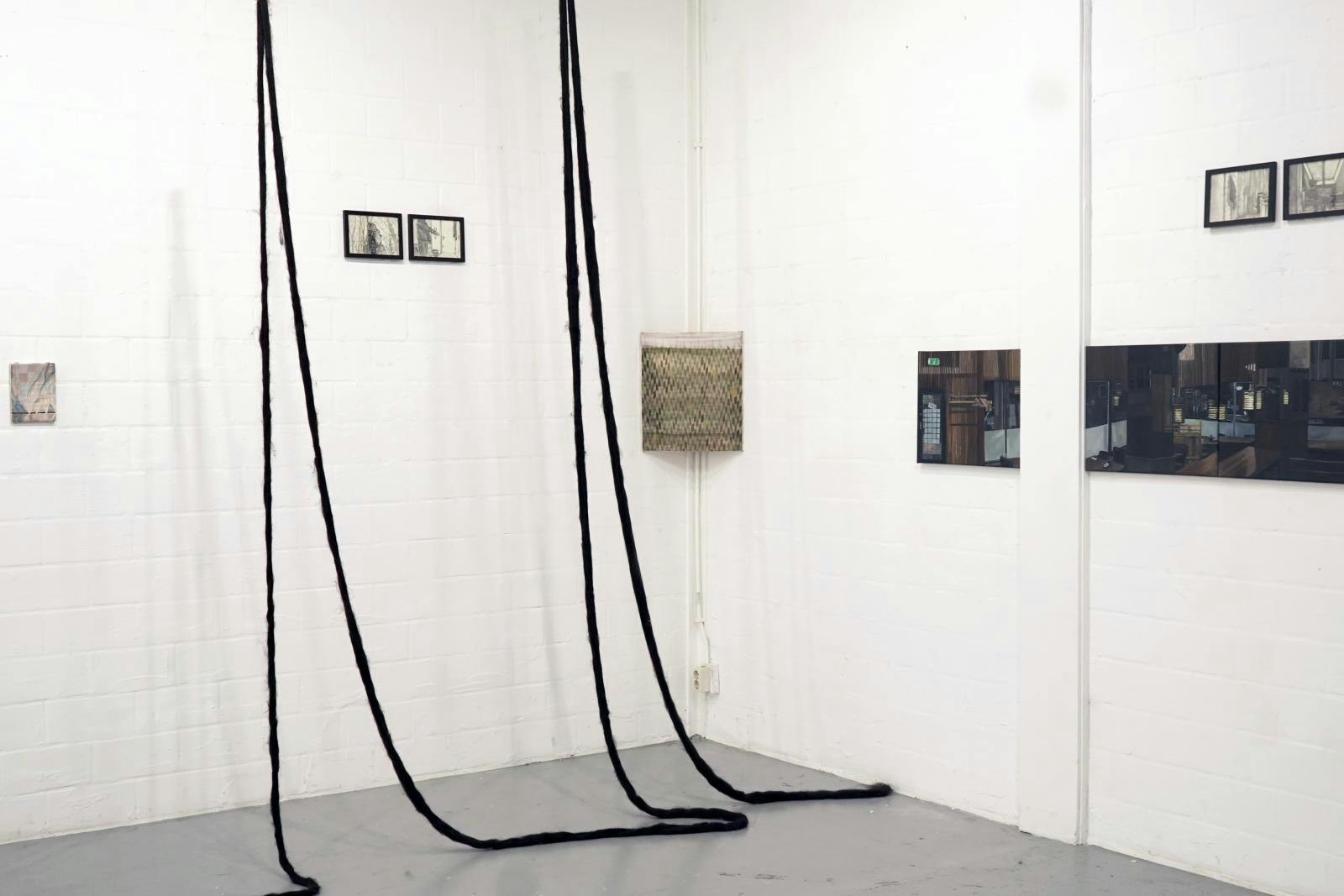
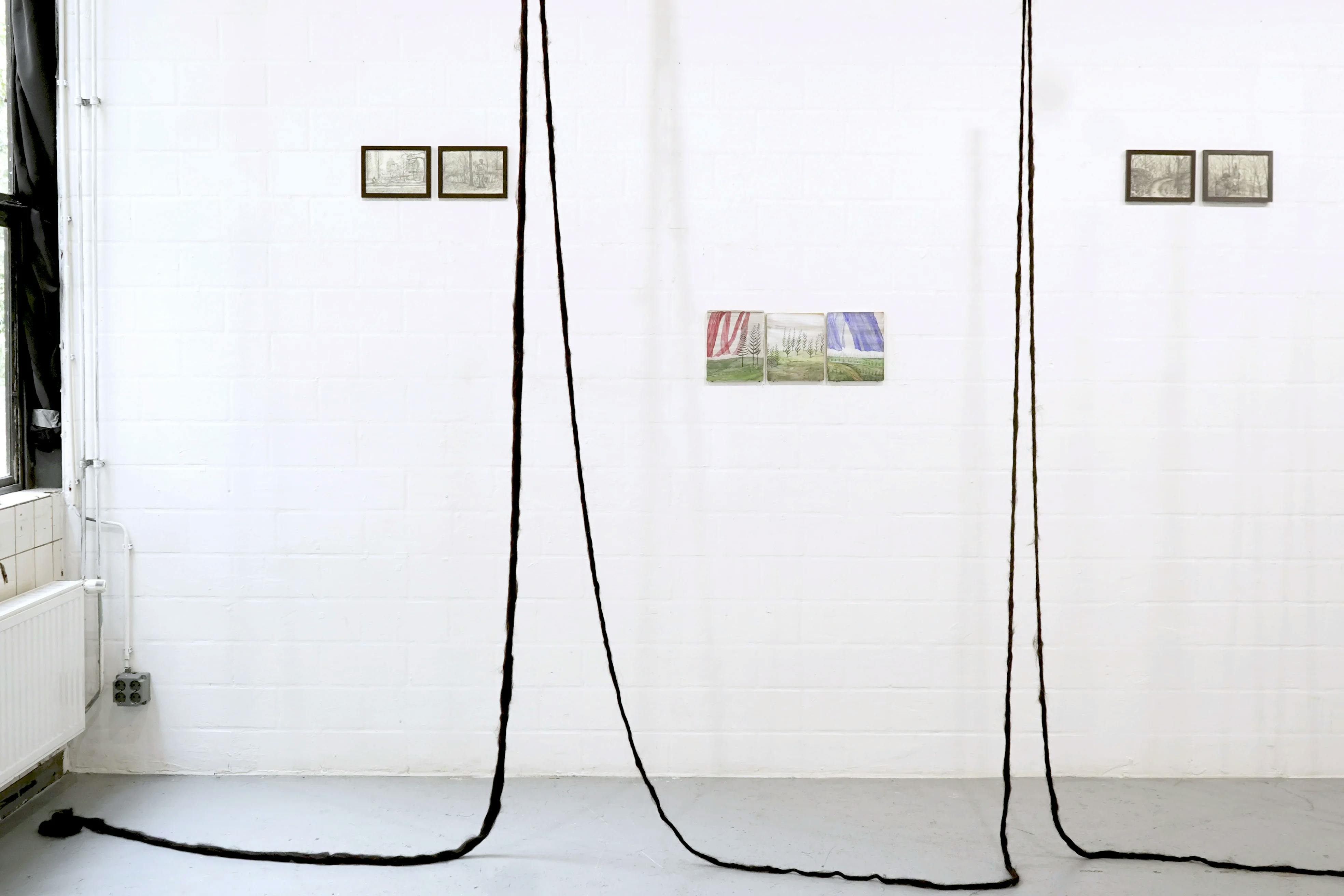
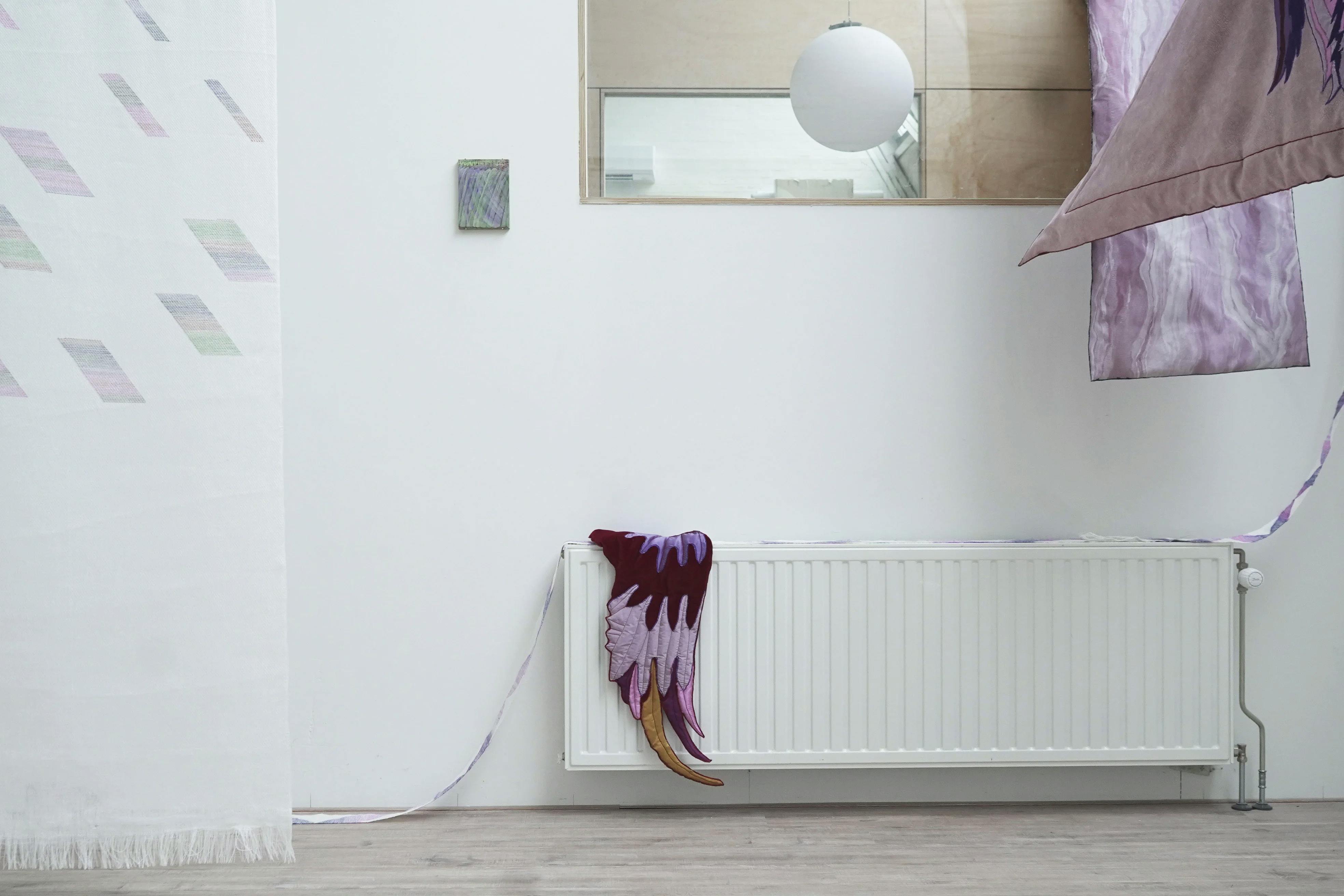
Fig 02. We Already Have Enough (Installation view), The Wrong House, Kortrijk, Belgium, 2025
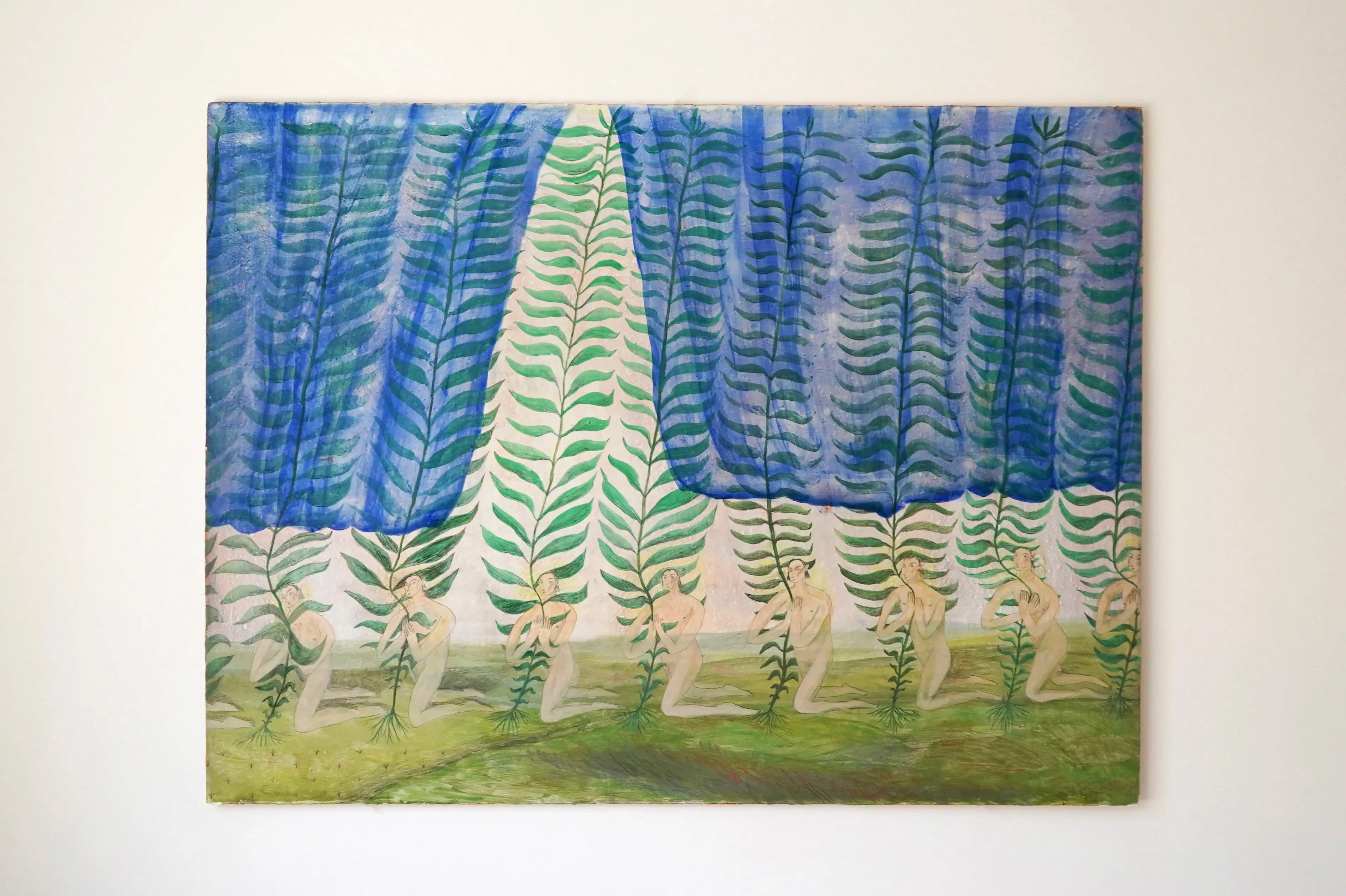
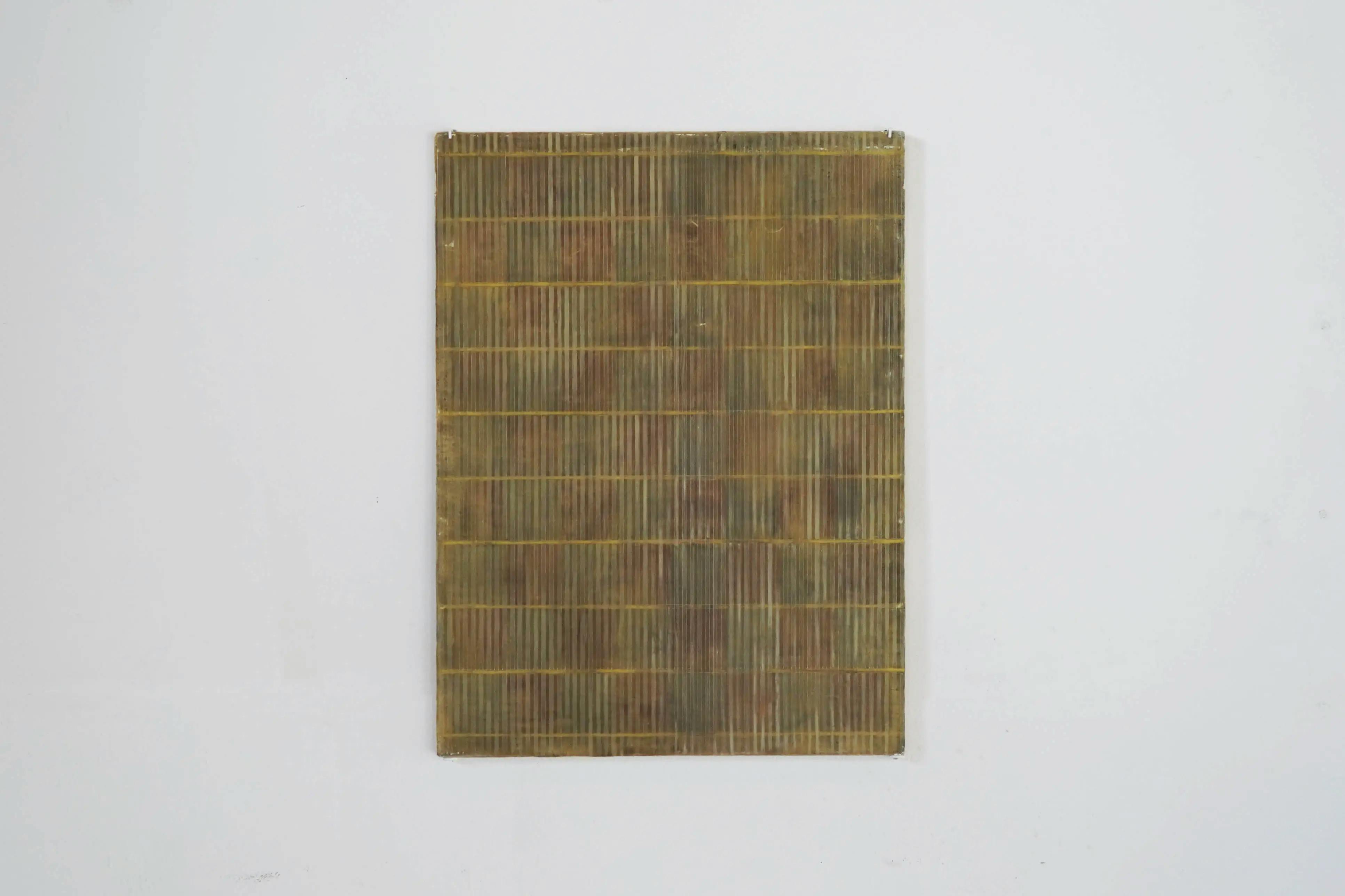
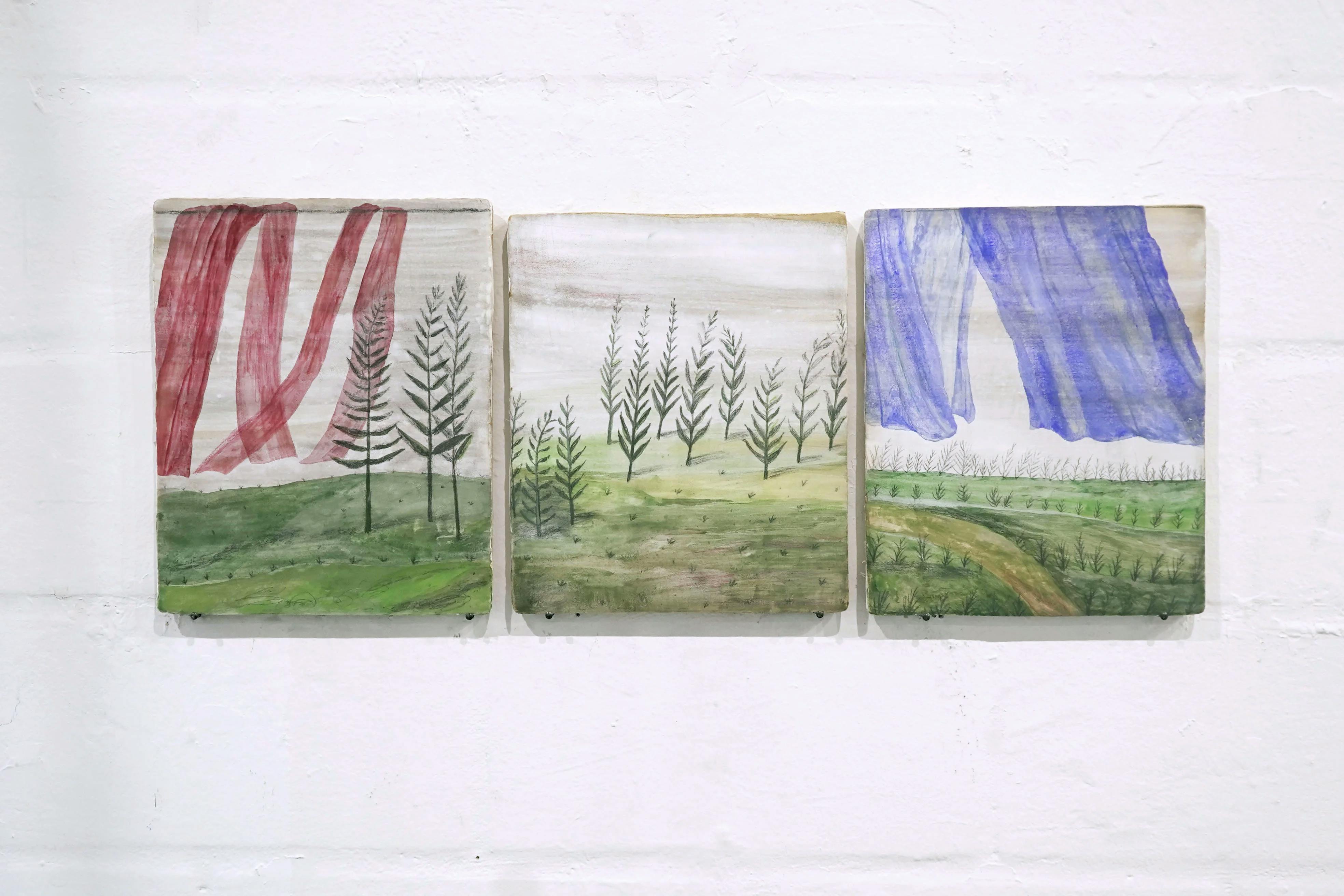
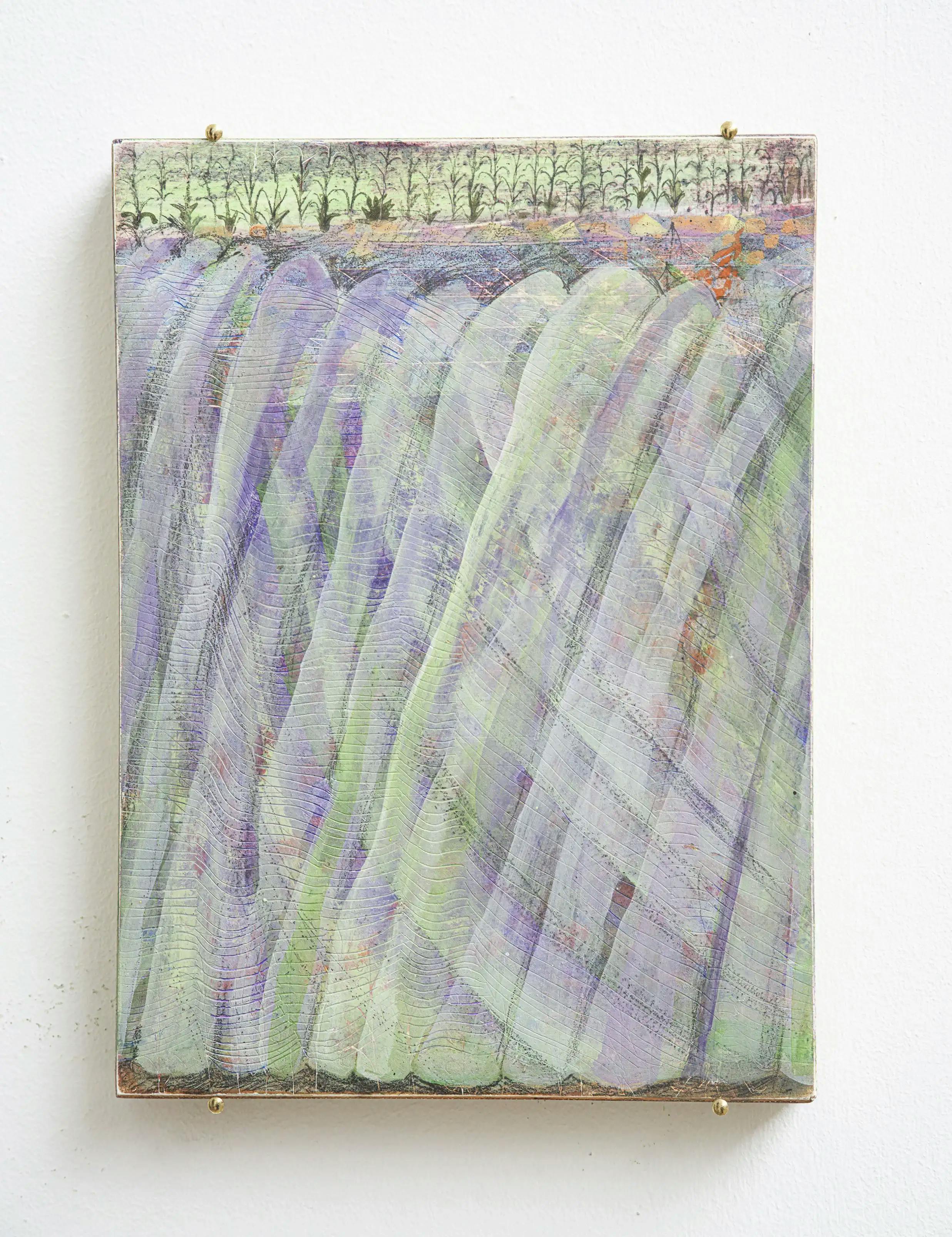
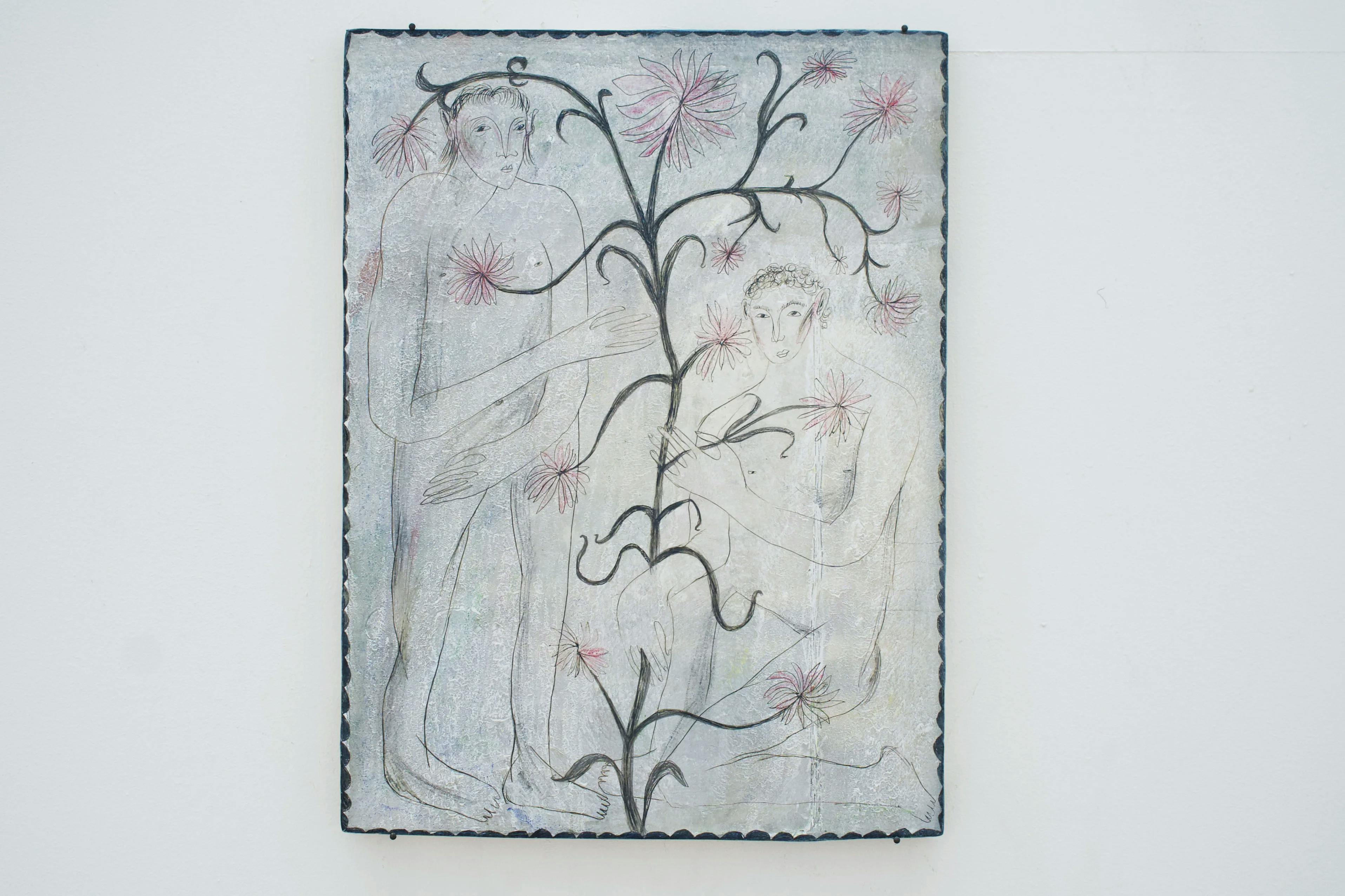
Fig 03. We Already Have Enough, 2025, 90 x 120 cm, egg tempera on wood panel
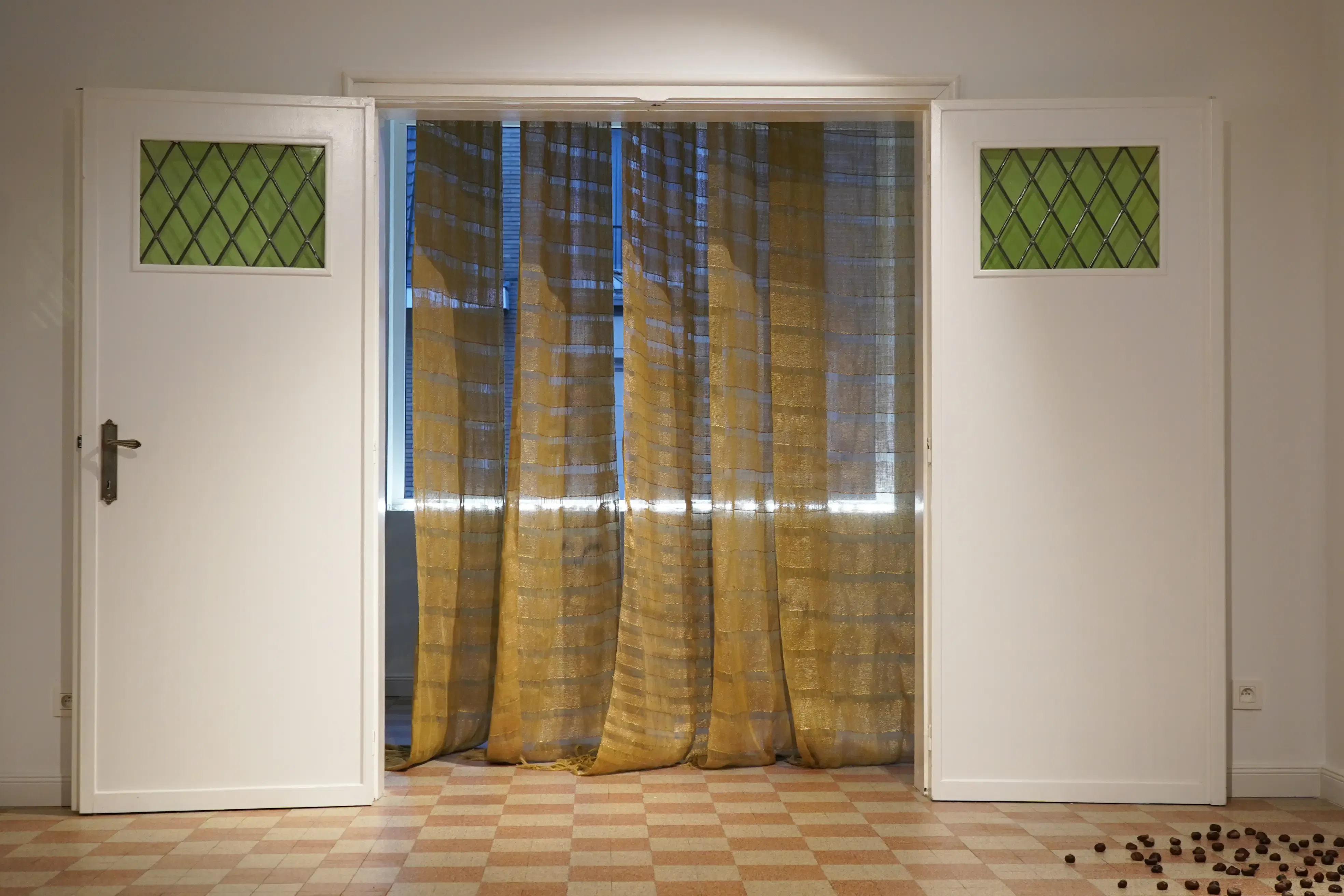
Fig 04. Golden River, 2025, 250 x 300 cm, linen
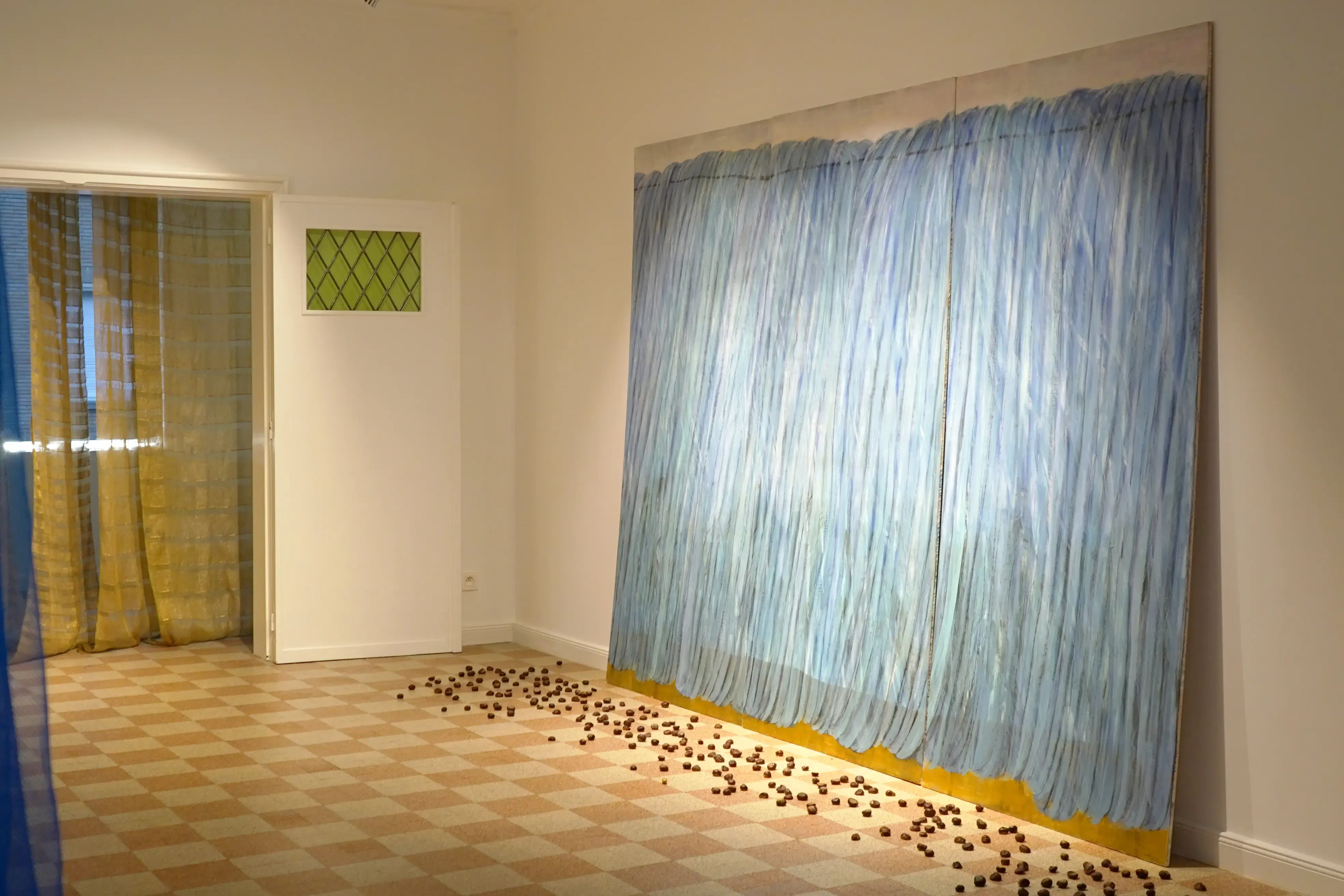
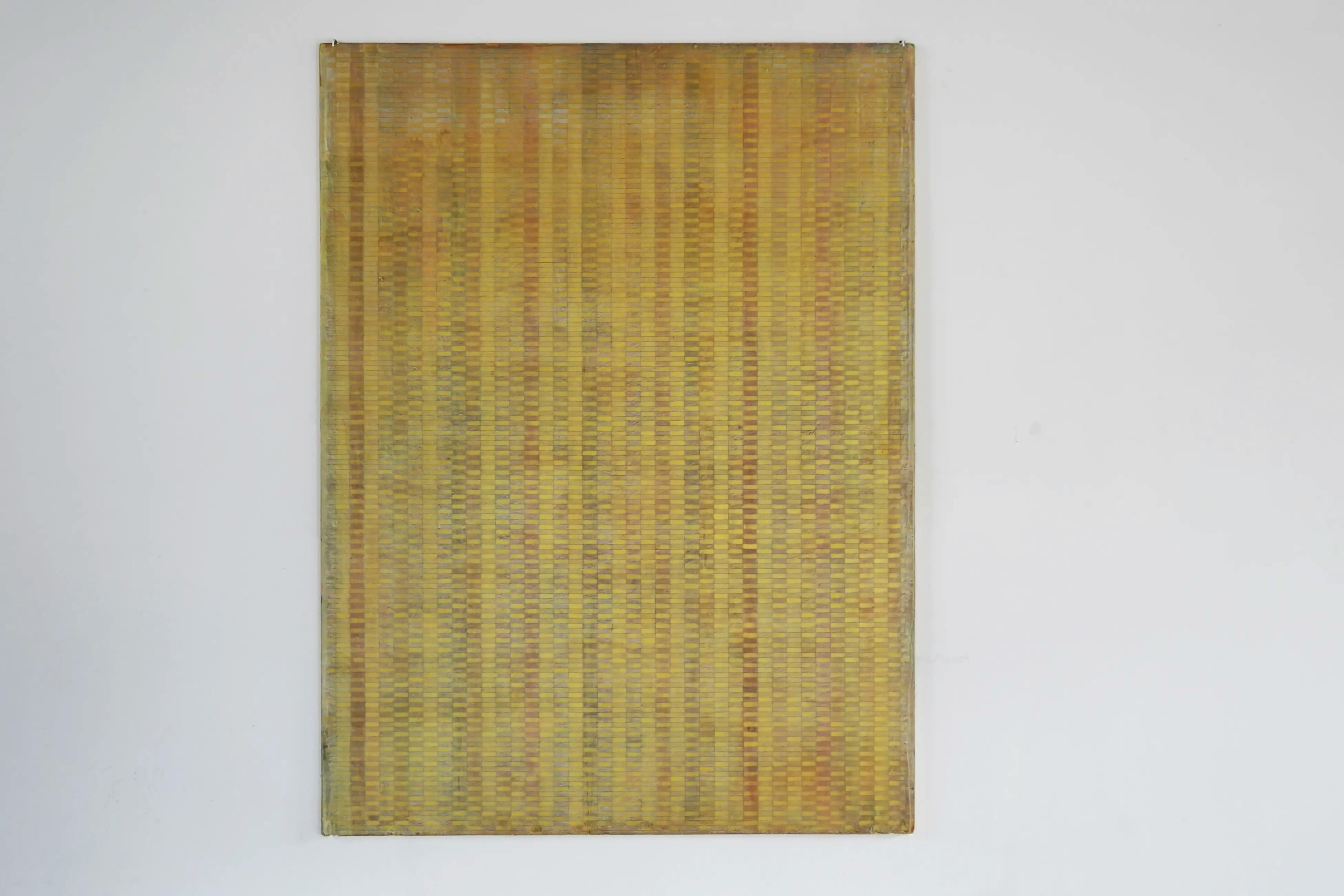
Fig 05. Tide & Seed, 2025, 220 x 300 cm, egg tempera on wood panel, chestnuts
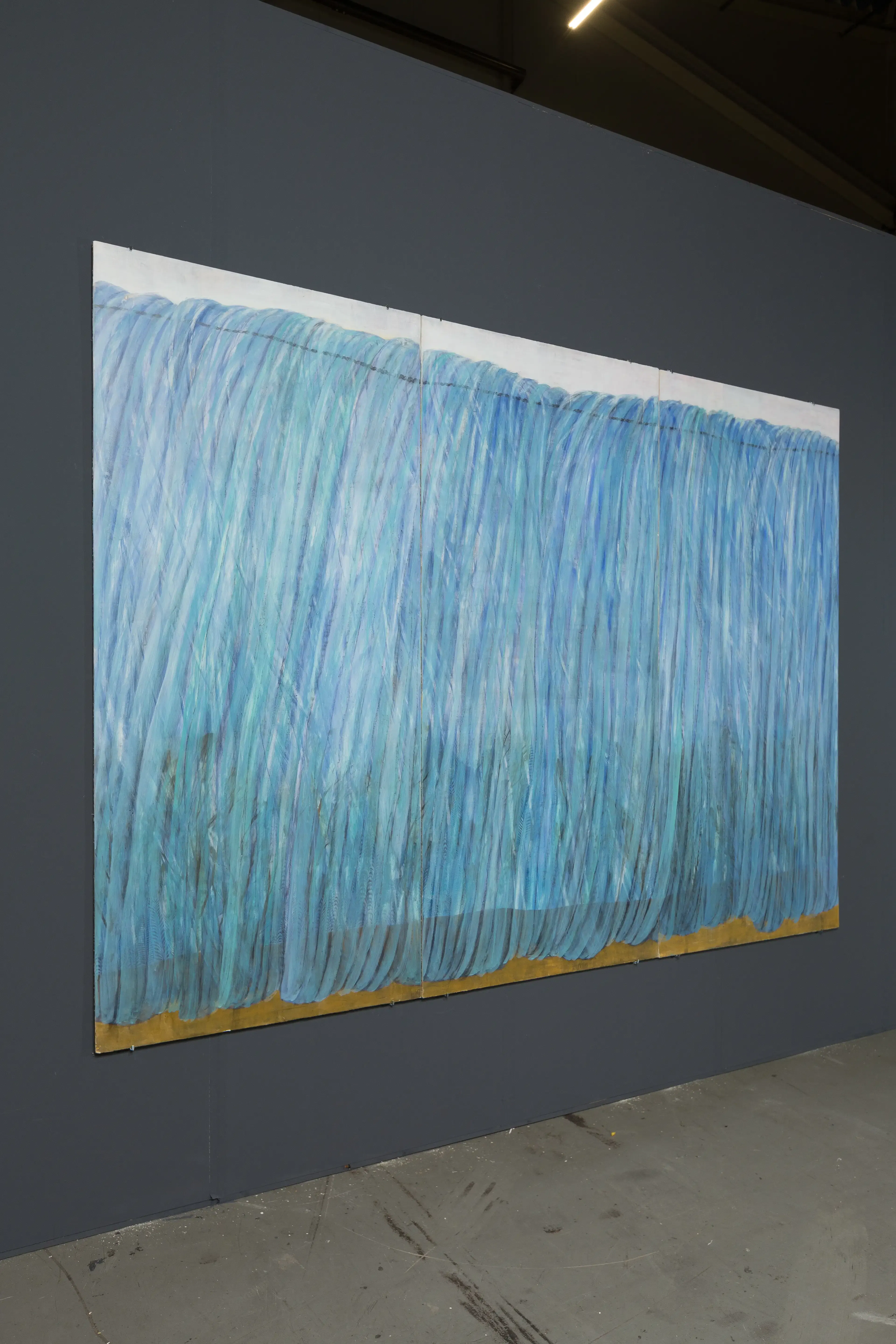
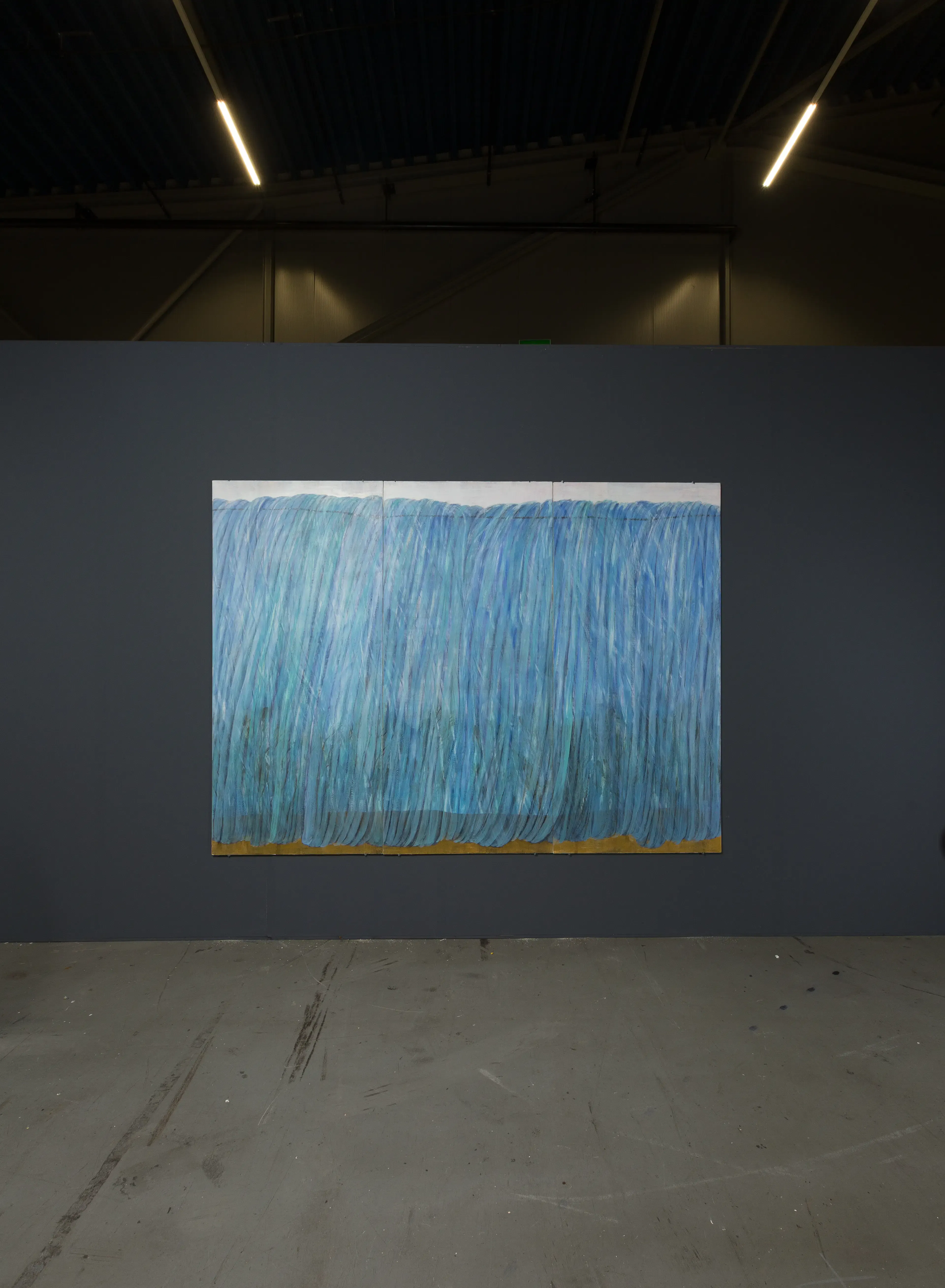
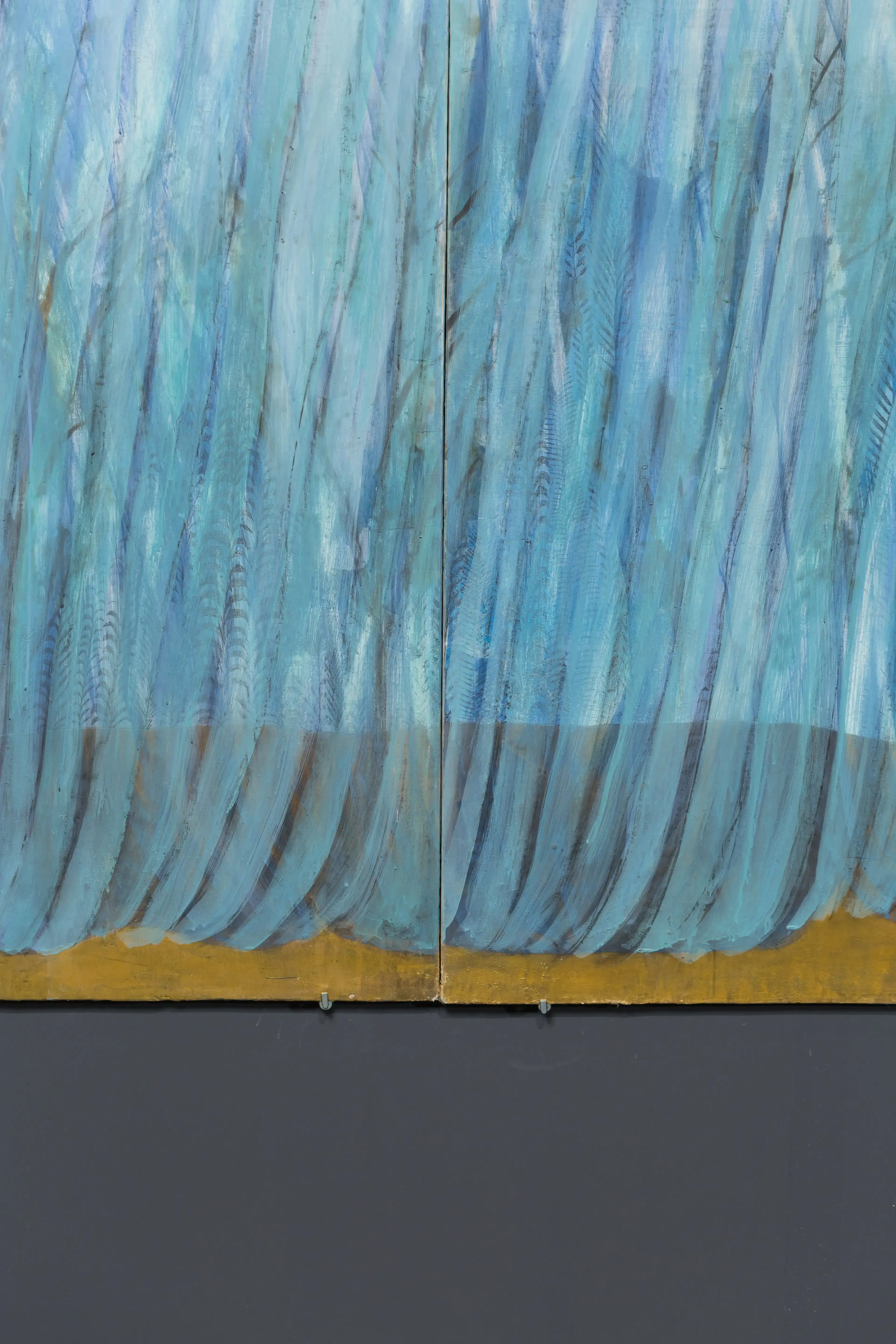
Fig 06. Tide & Seed, 2025, 220 x 300 cm, egg tempera on wood panel
Fig 07. Tide & Seed, 2025, 220 x 300 cm, egg tempera on wood panel
Fig 08. Tide & Seed, 2025, 220 x 300 cm, egg tempera on wood panel
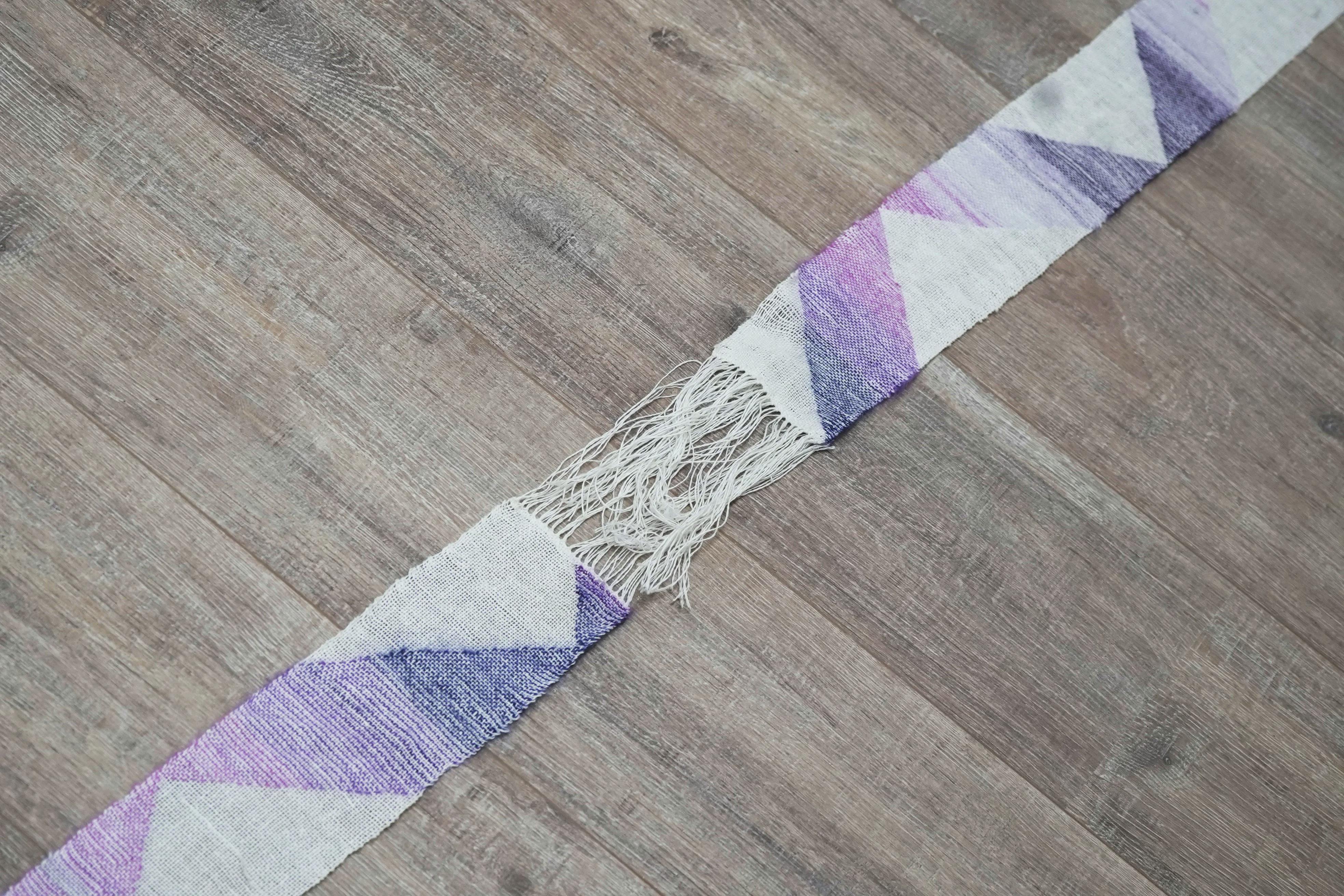
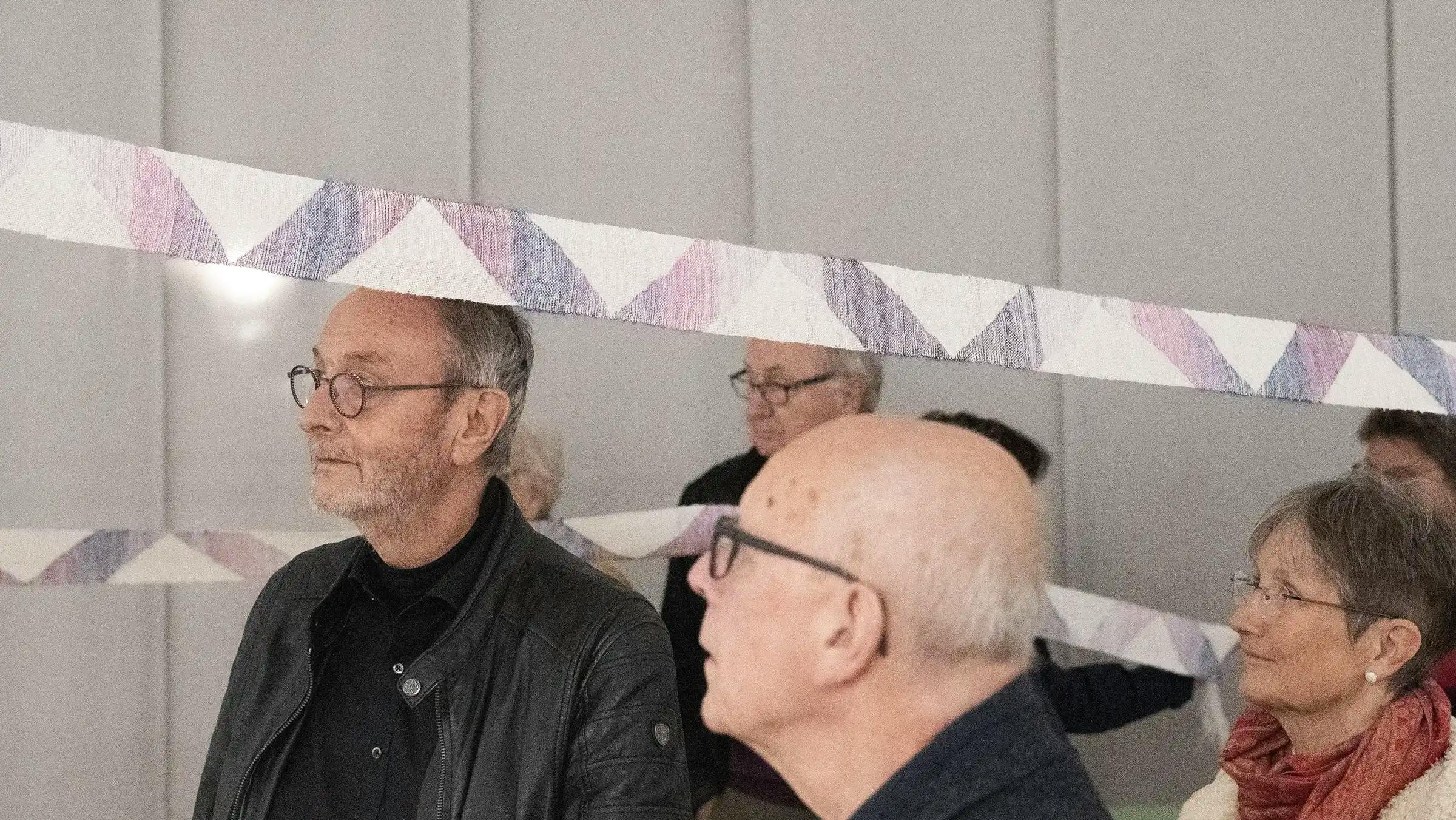
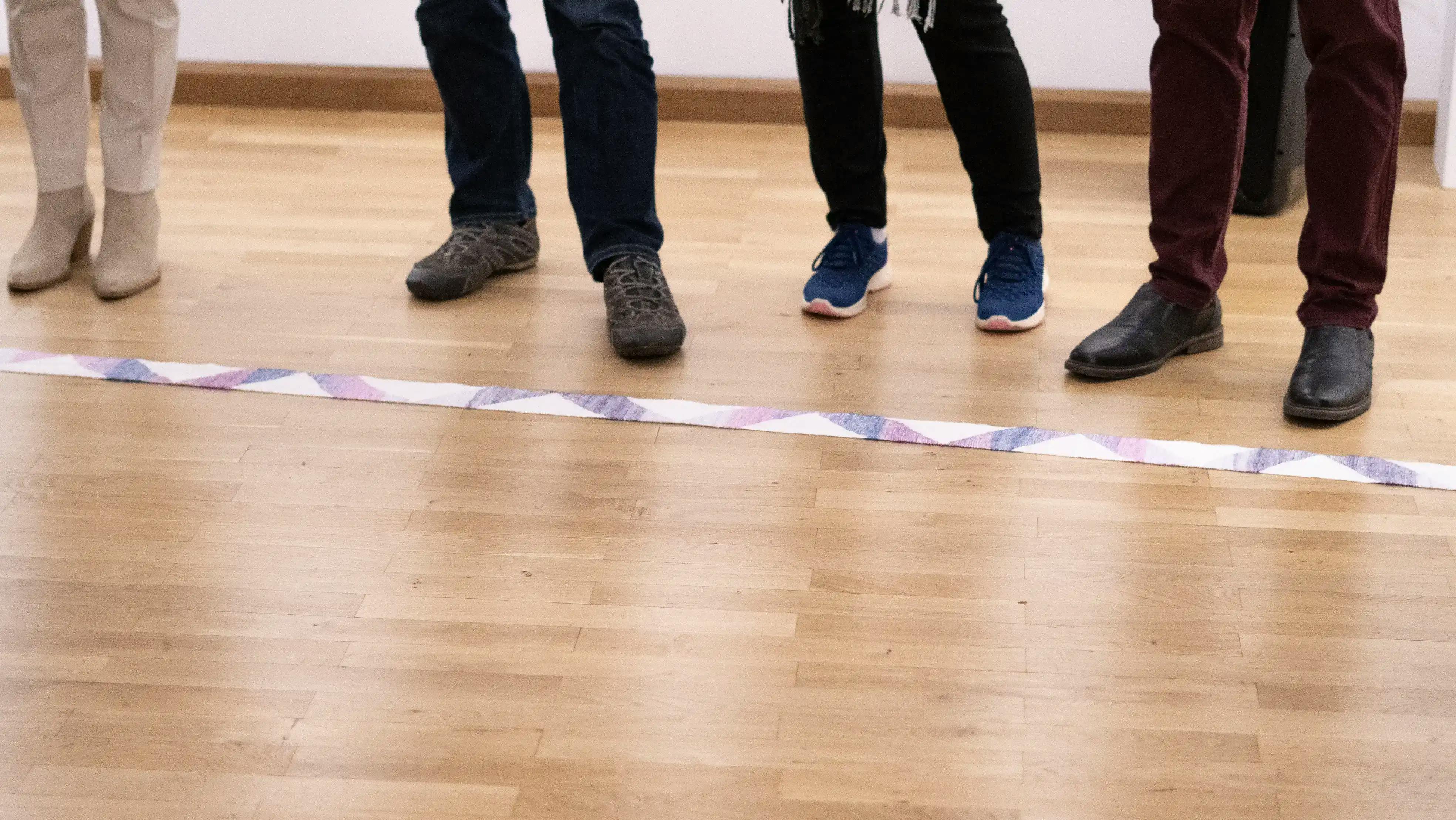
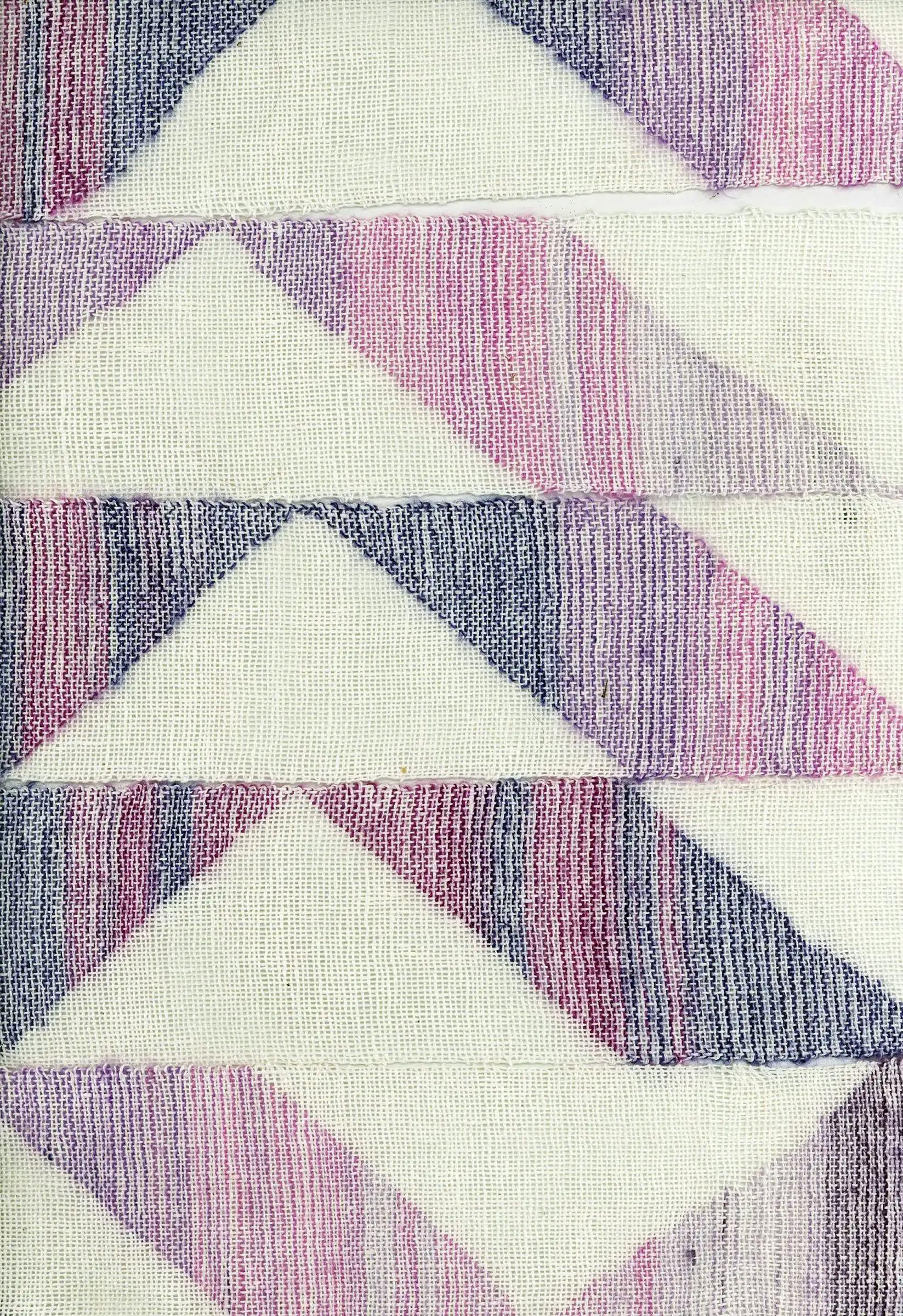
Fig 09. Ray (Installation view), 2025, 10 x 900 cm, handwoven and hand-dyed linen and metal yarn
Fig 10. What The Body Remembers (Installation view), 2025, TAC, Eindhoven, The Netherlands, 2025
Fig 11. Golden Hour, 2025, 120 x 160 cm, 2025, egg tempera on wood
Fig 12. Glance, 2025, 60 x 80 cm, egg tempera on wood
Fig 13. A Passage (Installation view), 2024, De Bouwput Gallery, Amsterdam, The Netherlands, 2024; Photo: Hyeonju Lee
Fig 14. A Passage (Installation view), 2024, De Bouwput Gallery, Amsterdam, The Netherlands, 2024; Photo: Hyeonju Lee
Fig 15. A Passage (Installation view), 2024, De Bouwput Gallery, Amsterdam, The Netherlands, 2024
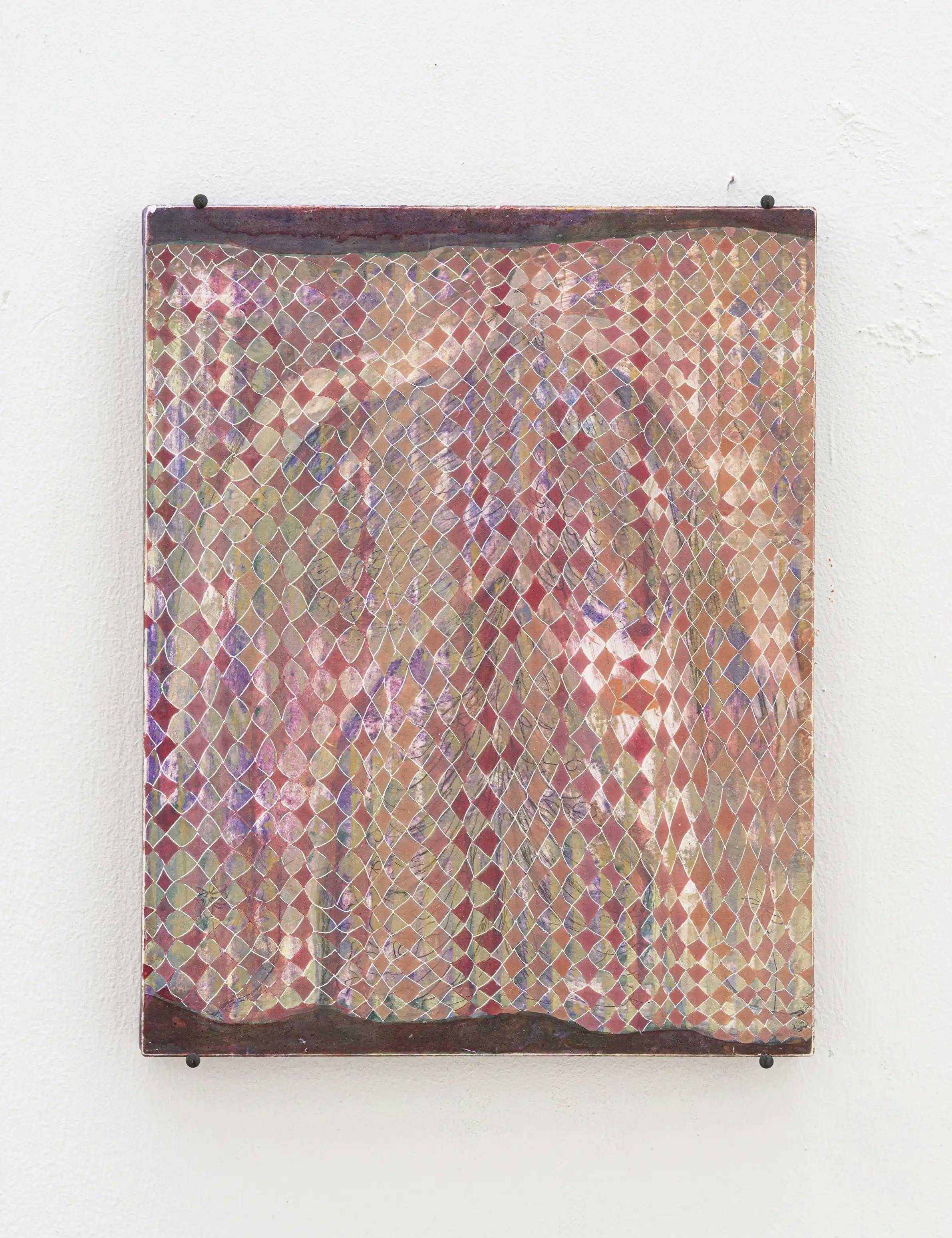
Fig 16. Forgotten Knowledge, 2024, 25 x 60 cm, egg tempera on wood
Fig 17. Flow, 2024, 19 x 24 cm, egg tempera on wood
Fig 18. Perception, 2024, 50 x 60 cm, egg tempera on wood
Fig 19. Harvest, 2024, 90 x 120 cm, egg tempera on wood
Fig 20. Beyond The Veil (Installation view), De Kluit, Amsterdam, The Netherlands, 2024.
Fig 21. The Horizon, 2024, 198 x 272 cm, handwoven and hand-dyed wool & linen
Fig 22. Beyond The Veil (Installation view), De Kluit, Amsterdam, The Netherlands, 2024.
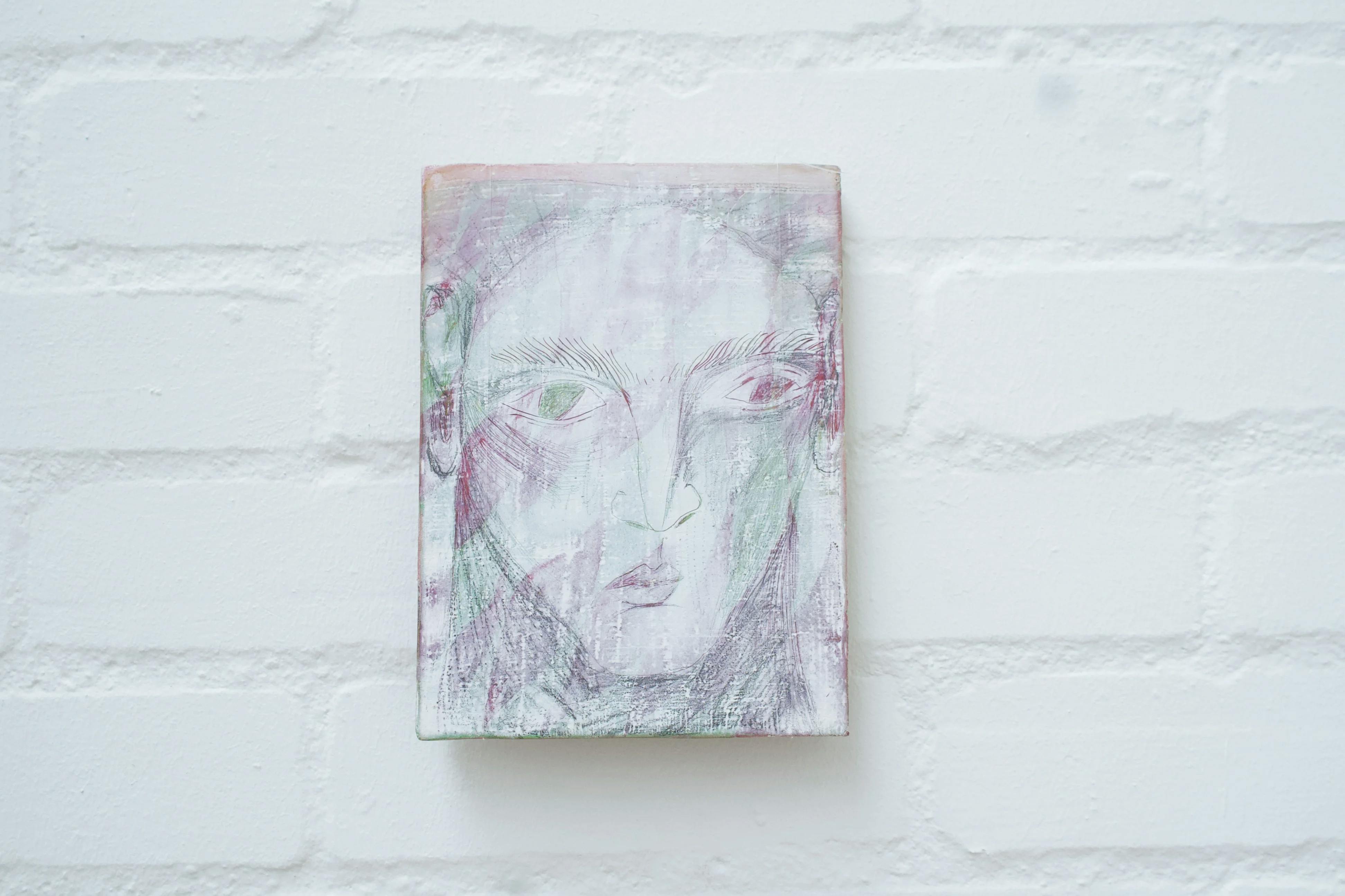
Fig 23. Veil, 2024, 14 x 19 cm, egg tempera on wood
Fig 24. Beyond The Veil (Installation view), De Kluit, Amsterdam, The Netherlands, 2024.
Fig 25. Touch, 2024, 42 x 50 cm, egg tempera on wood
Fig 26. Red Room, 2024, 20 x 25 cm, egg tempera on wood
Fig 27. Green and Pink Eyes, 2024, 16 x 22 cm, egg tempera on wood
Fig 28. Beyond The Veil (Installation detail), De Kluit, Amsterdam, The Netherlands, 2024.
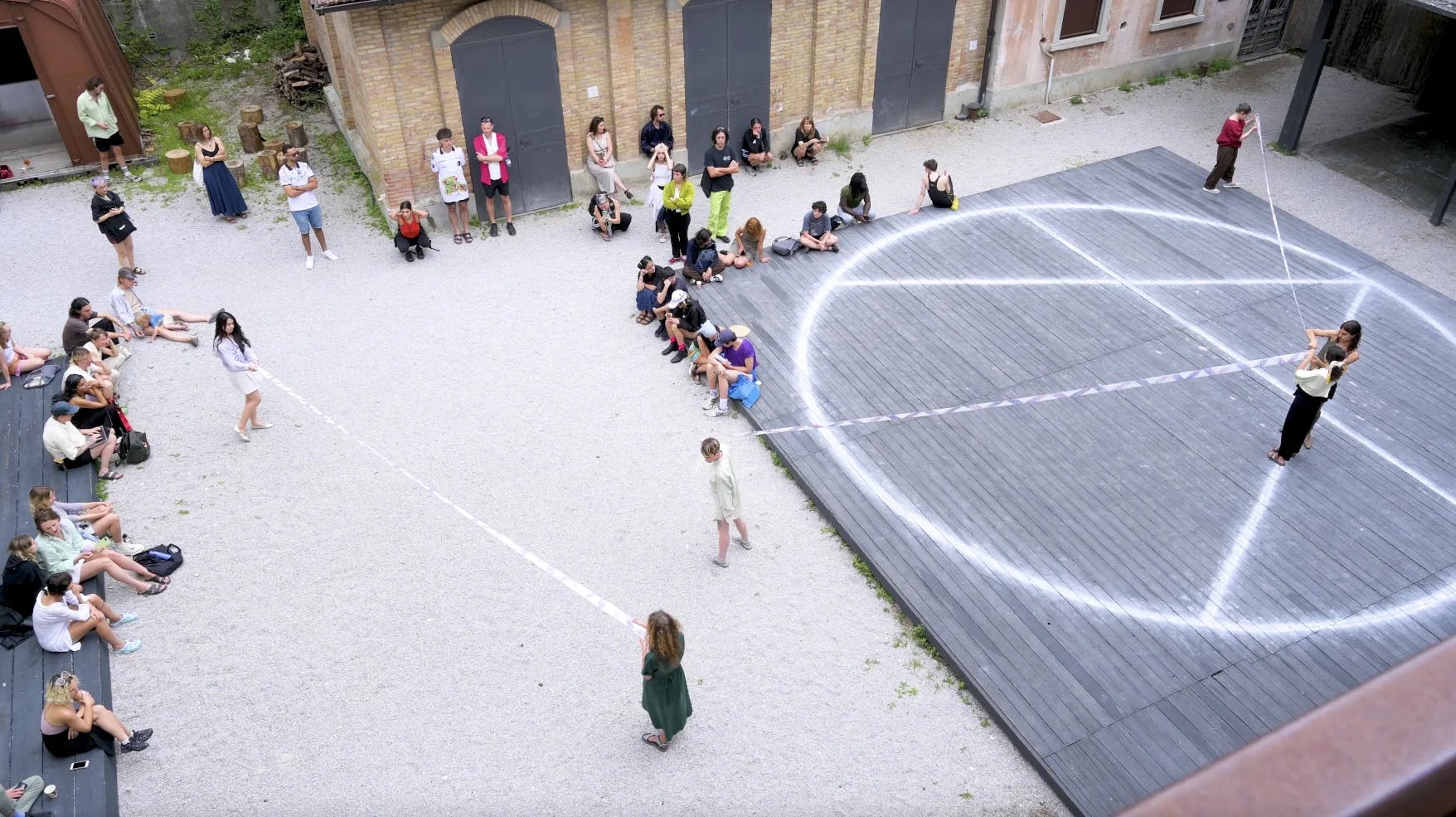
Fig 29. Weaver’s Handshake, performance (30 min.), Centrale Fies, Dro, Italy, 2023
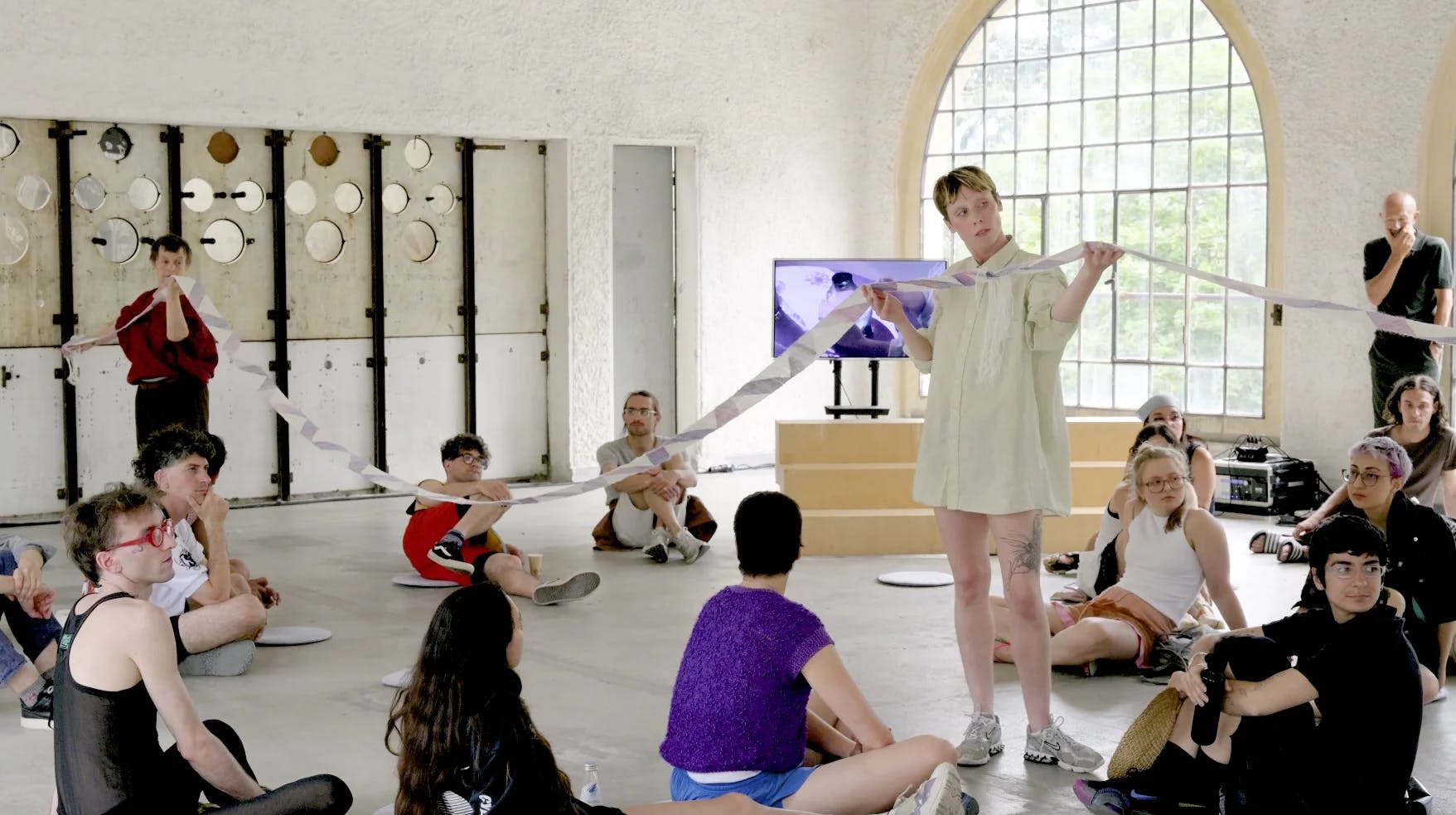
Fig 30. Weaver’s Handshake, performance (30 min.), Centrale Fies, Dro, Italy, 2023
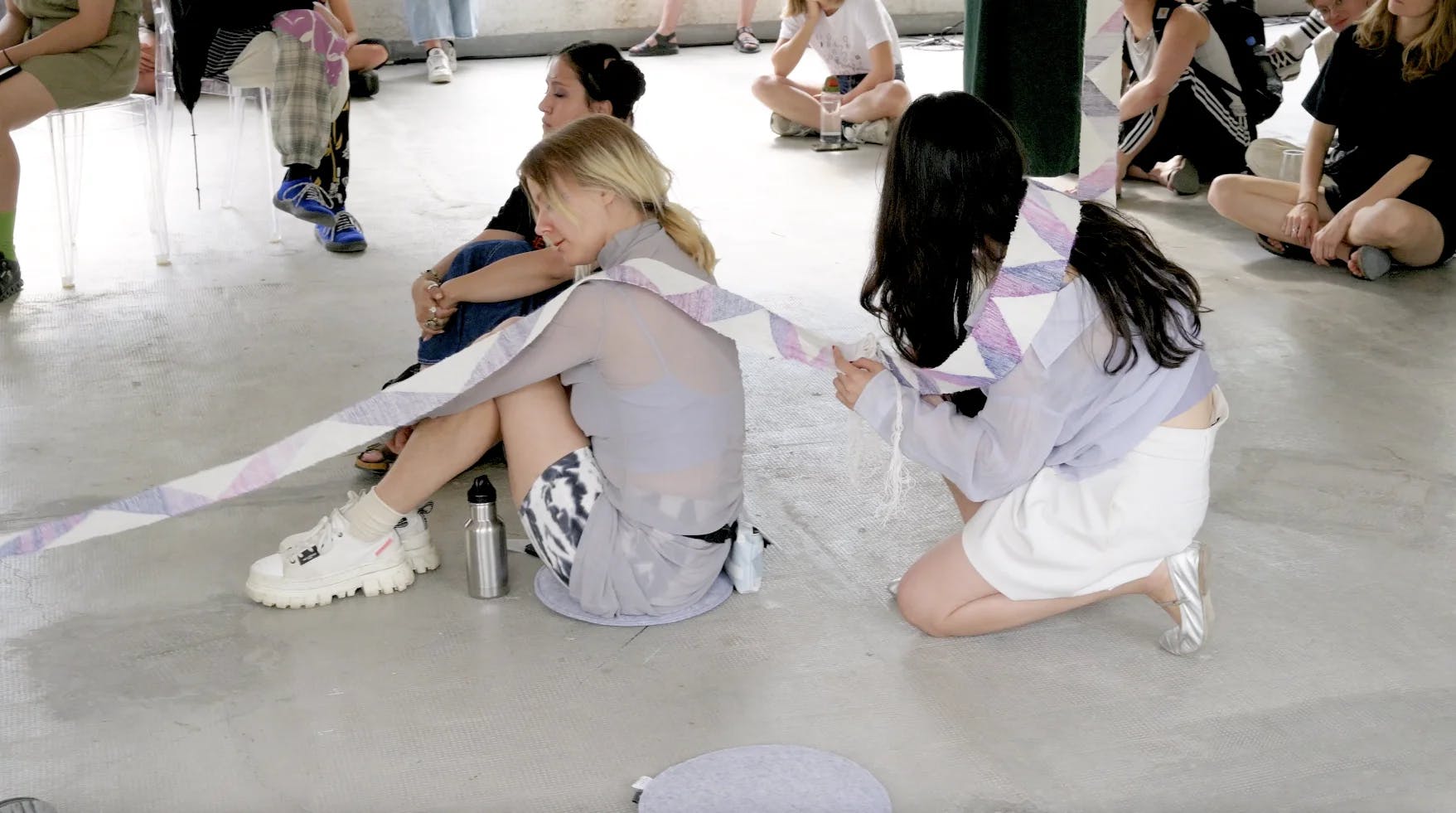
Fig 31. Weaver’s Handshake, performance (30 min.), Centrale Fies, Dro, Italy, 2023
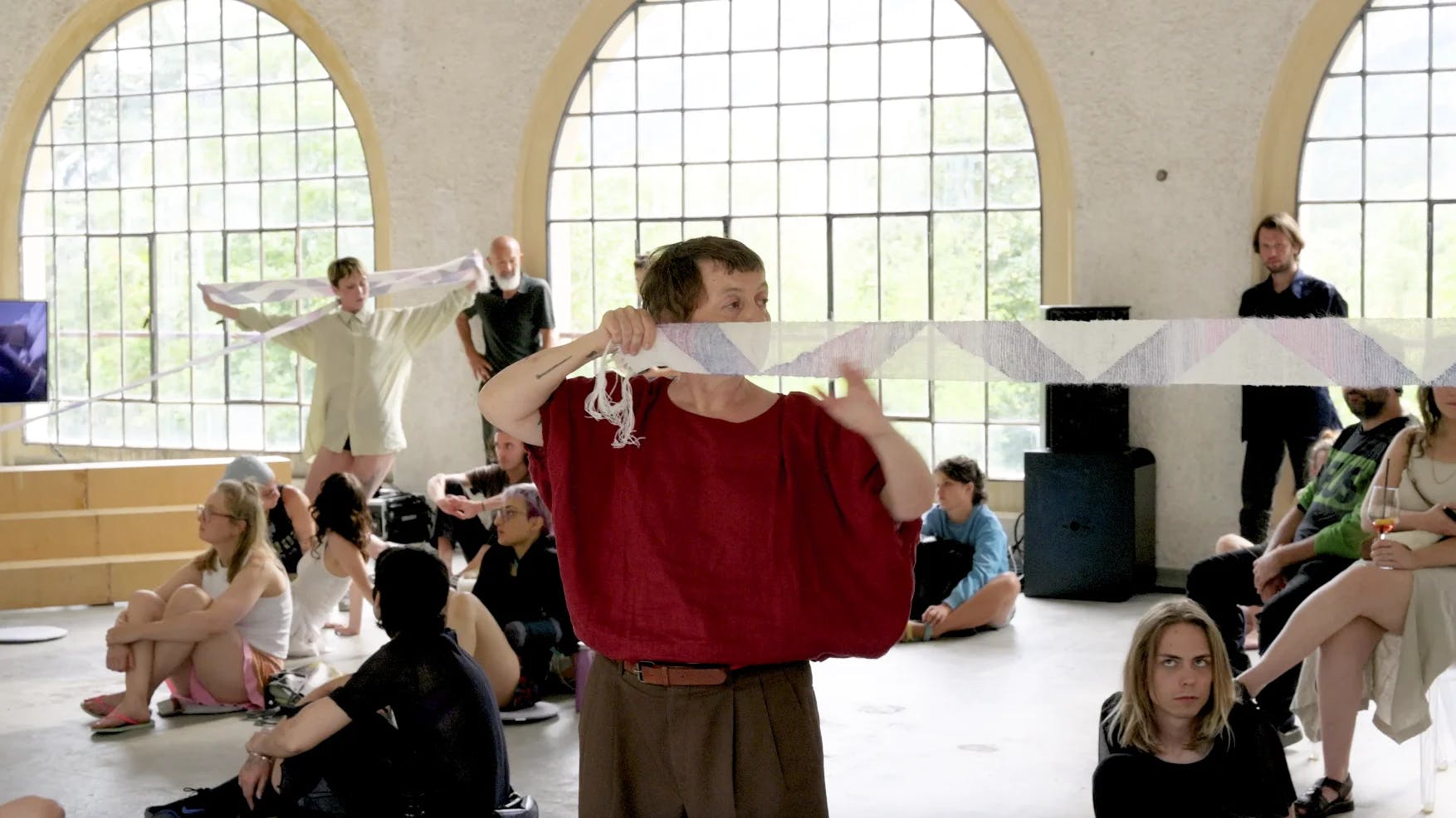
Fig 32. Weaver’s Handshake, performance (30 min.), Centrale Fies, Dro, Italy, 2023
Fig 33. Weaver’s Handshake, performance (30 min.), Stadtmuseum Deggendorf, Deggendorf, Germany, 2023
Fig 34. Weaver’s Handshake, performance (30 min.), Stadtmuseum Deggendorf, Deggendorf, Germany, 2023
Fig 35. Weaver’s Handshake (Detail), 2023, 10 x 2100 cm, handwoven wool & linen
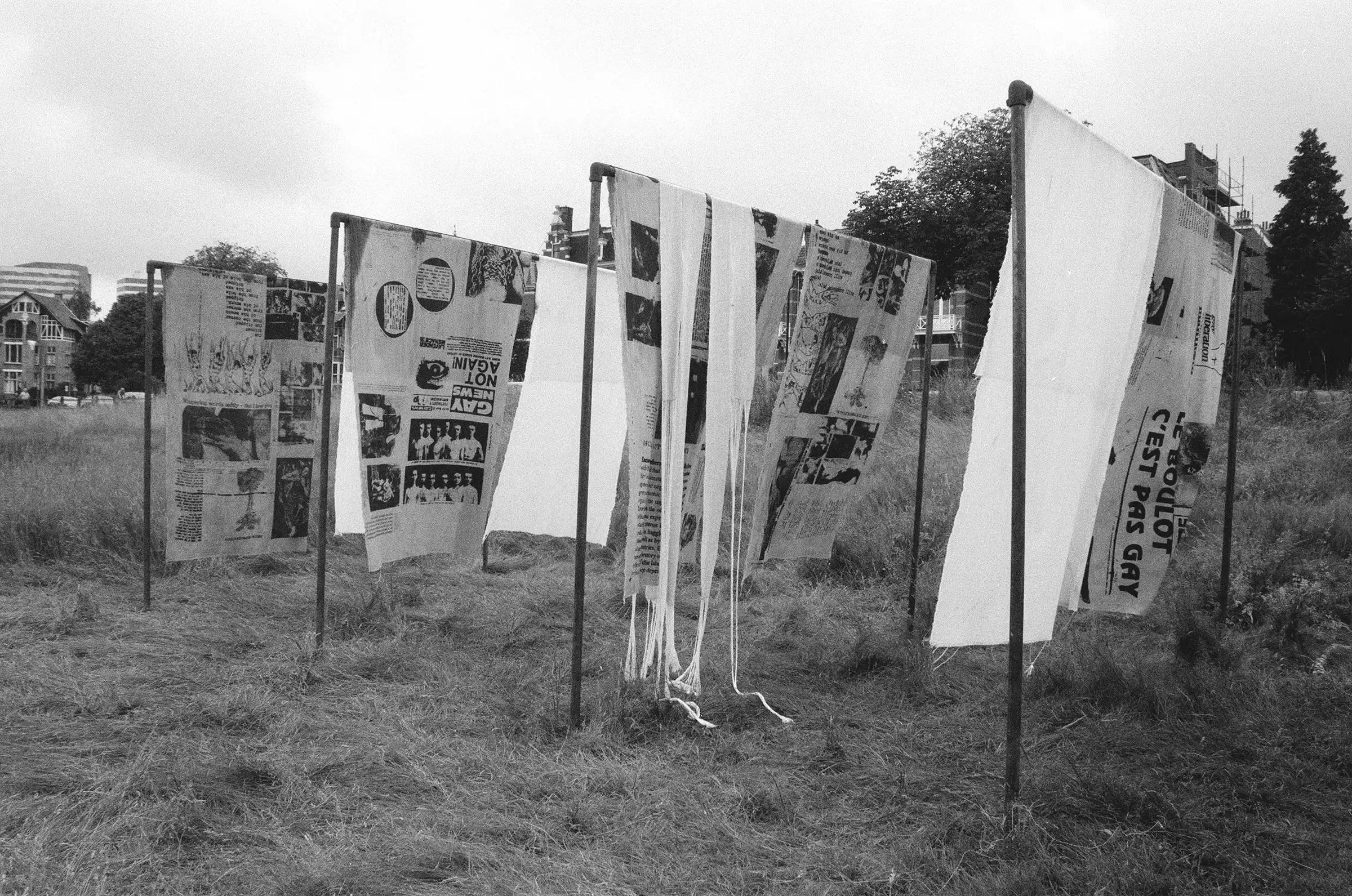
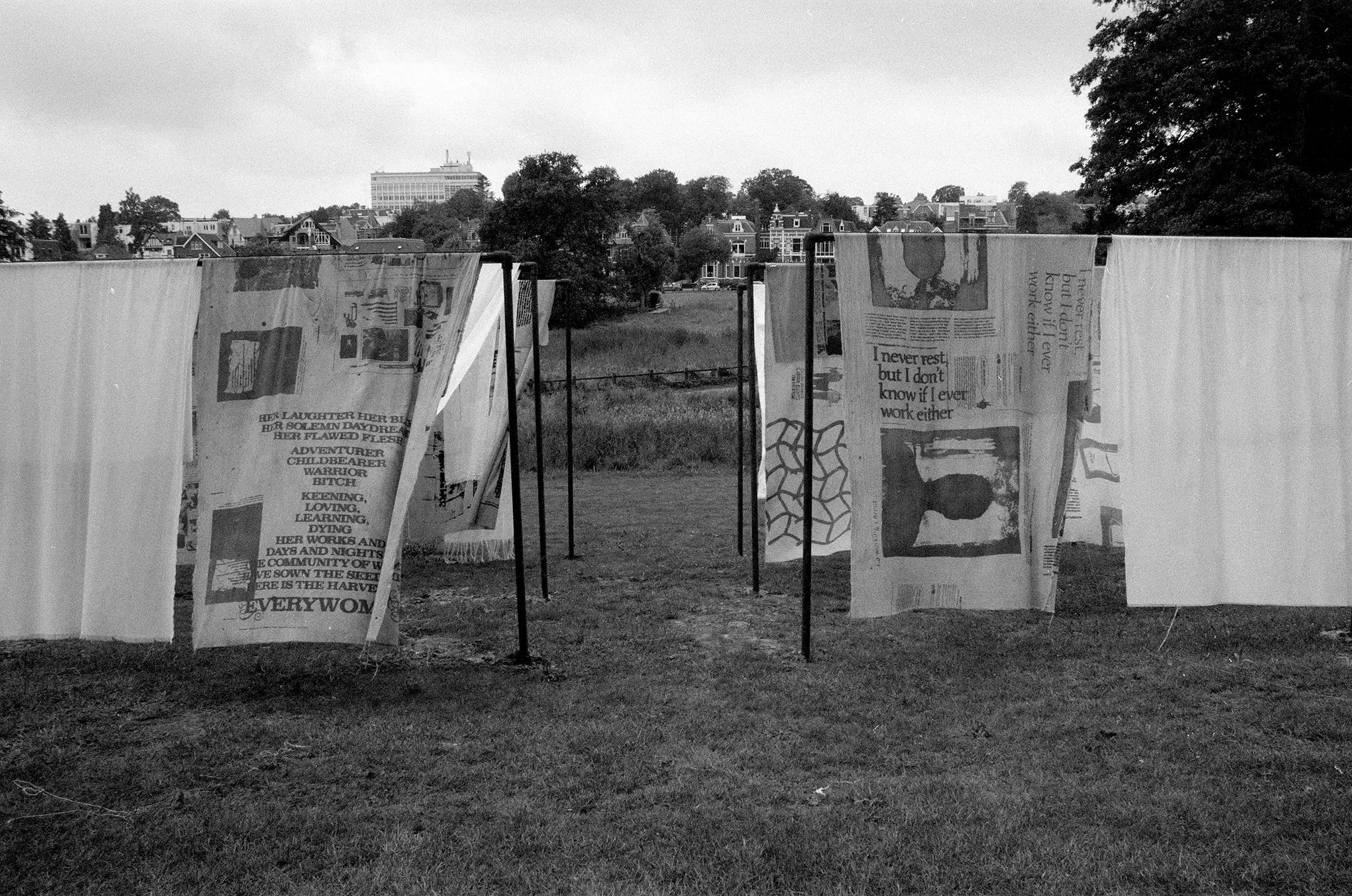
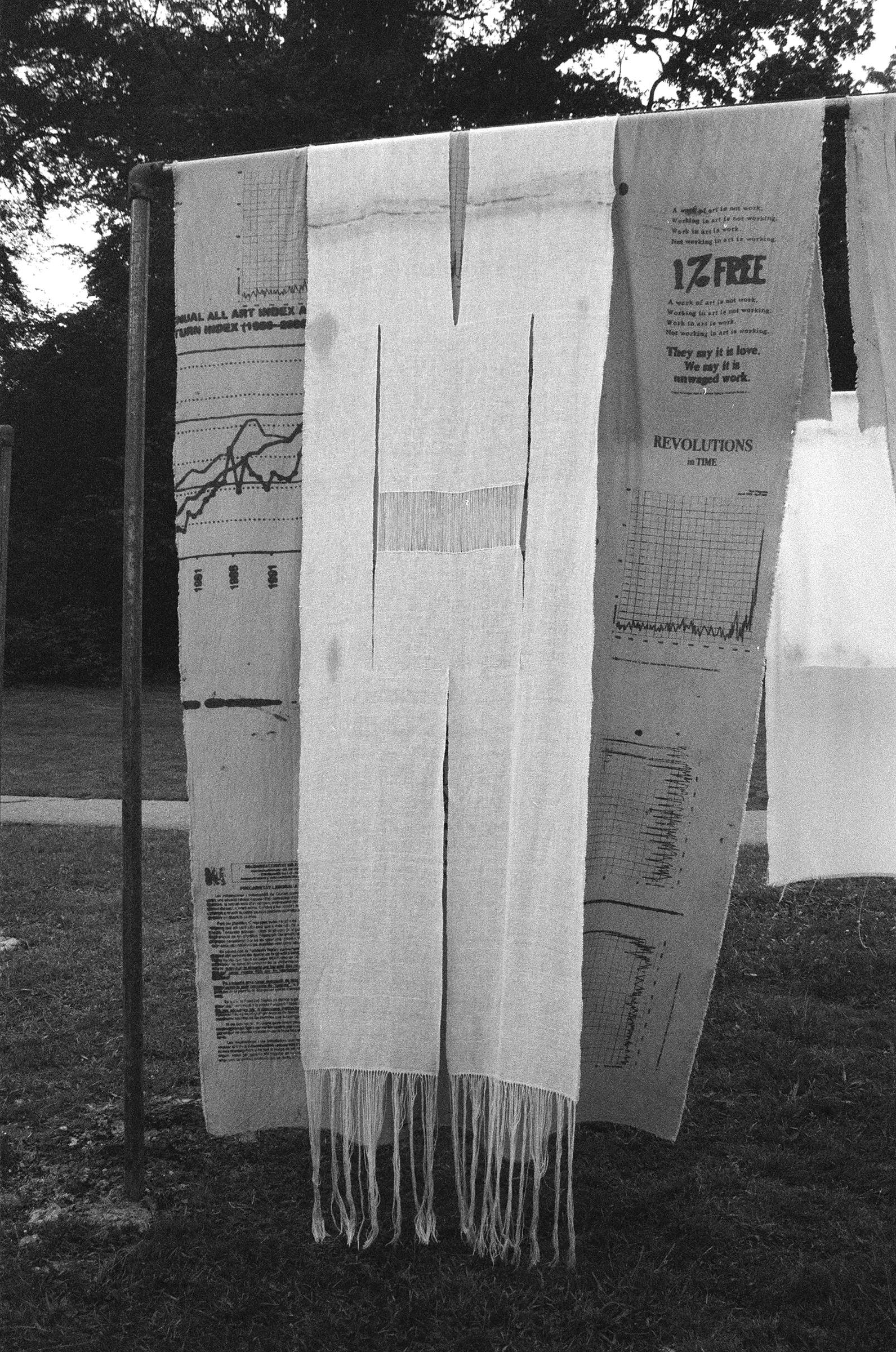
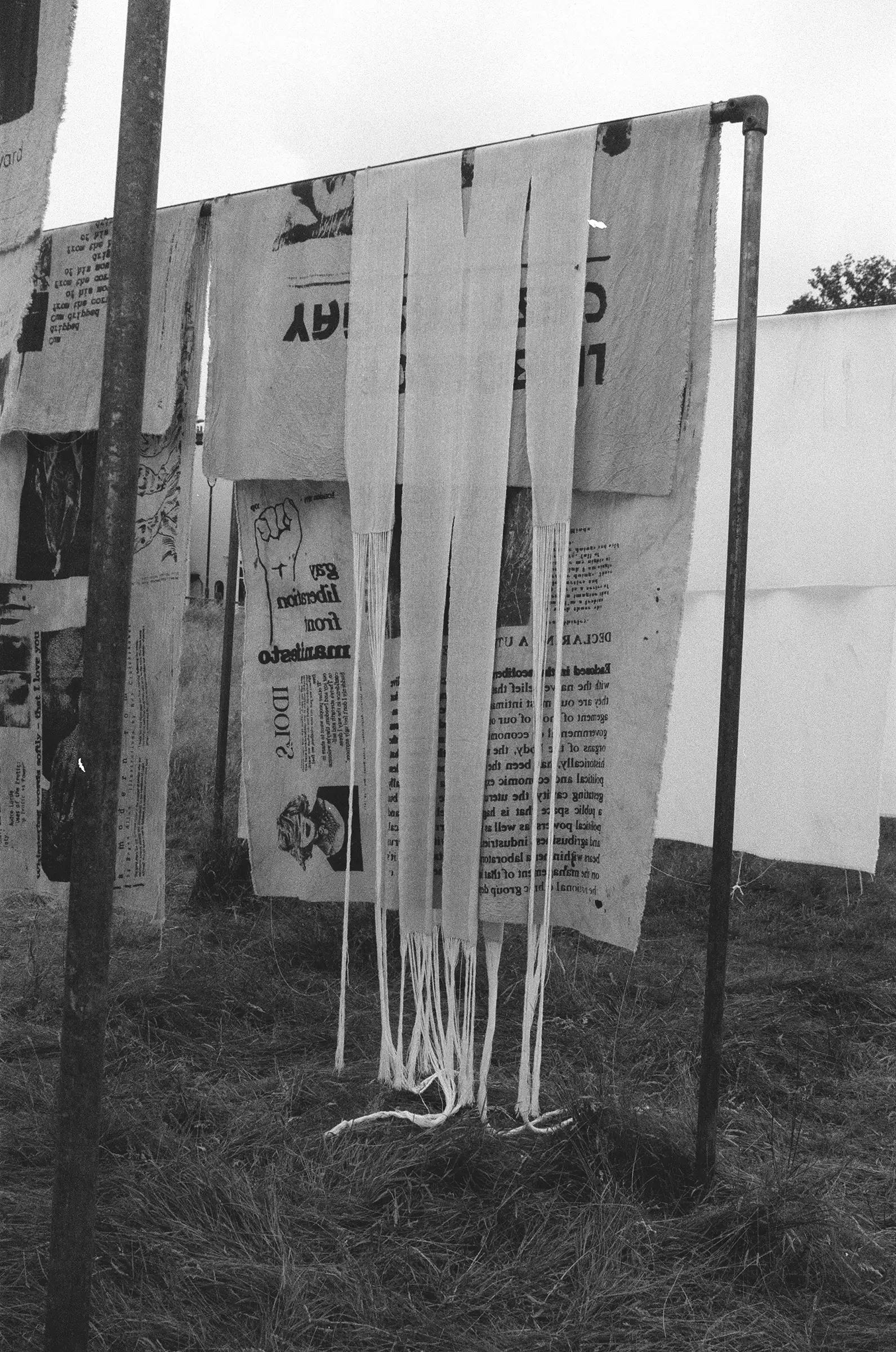
Fig 36. Textiles of Resistance (Installation view), Sonsbeek 20-24: Force, Times, Distance. On Labour and its Sonic Ecologies. Arnhem, The Netherlands, 2021
Fig 37. Textiles of Resistance (Installation view), Sonsbeek 20-24: Force, Times, Distance. On Labour and its Sonic Ecologies. Arnhem, The Netherlands, 2021
Fig 38. Textiles of Resistance (Installation view), Sonsbeek 20-24: Force, Times, Distance. On Labour and its Sonic Ecologies. Arnhem, The Netherlands, 2021
Fig 39. Textiles of Resistance (Installation view), Sonsbeek 20-24: Force, Times, Distance. On Labour and its Sonic Ecologies. Arnhem, The Netherlands, 2021
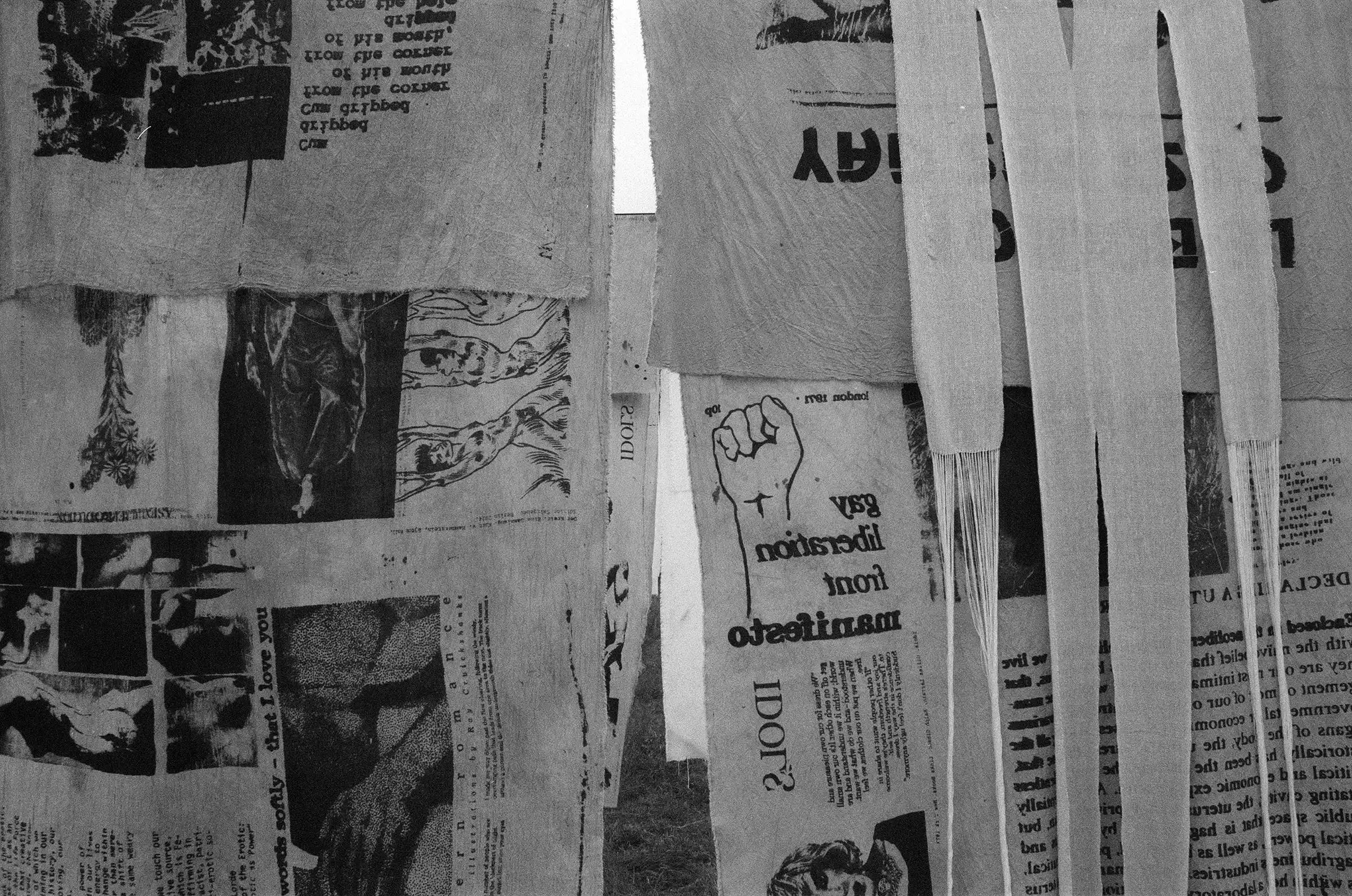
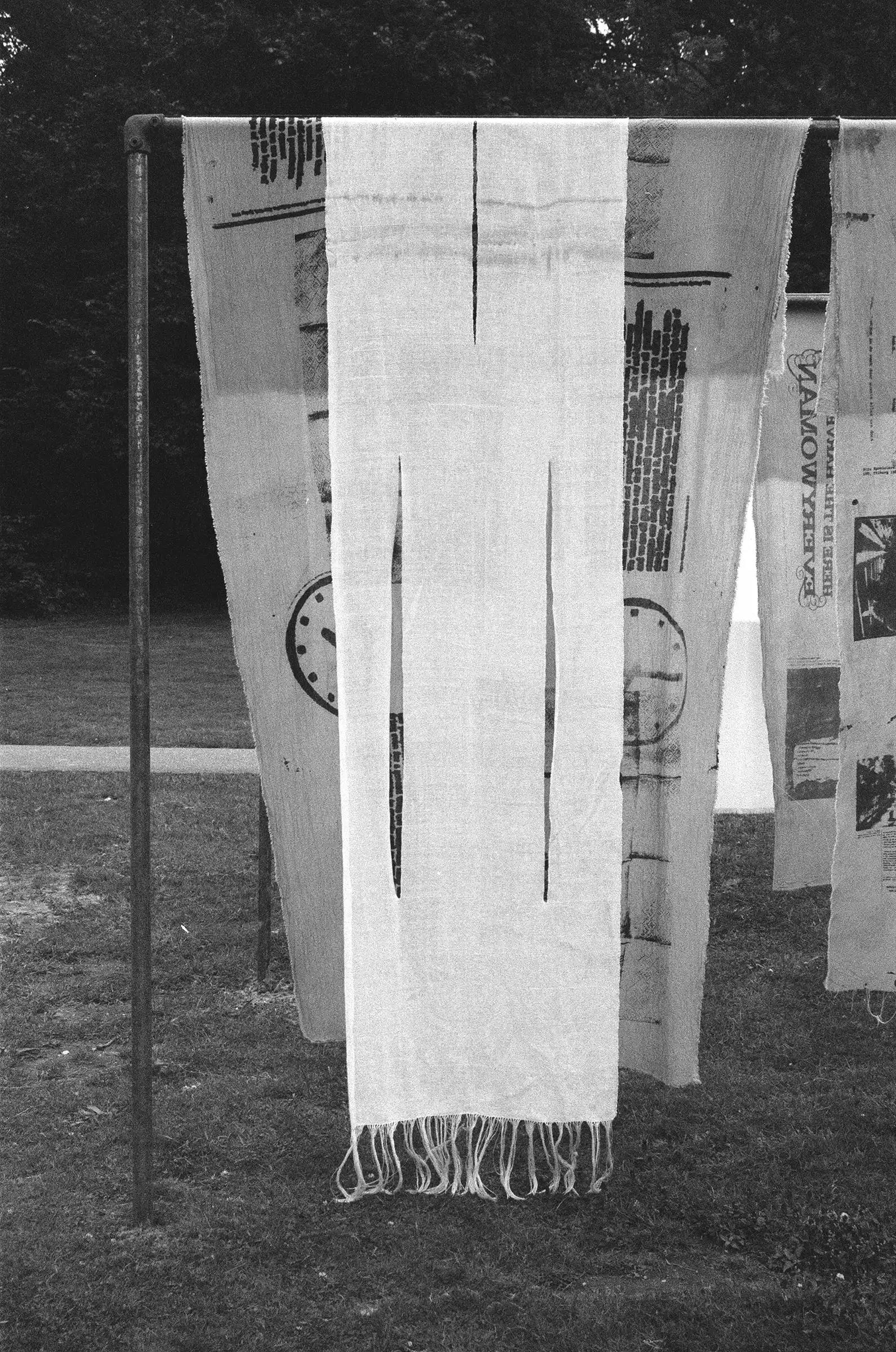
Fig 40. Textiles of Resistance (Detail), 2021, various sizes, handwoven linen
Fig 41. Textiles of Resistance (Detail), 2021, various sizes, handwoven linen
Fig 42. Textiles of Resistance (Detail), 2021, various sizes, handwoven linen
Fig 43. Textiles of Resistance (Detail), 2021, various sizes, handwoven linen
Fig 44. Holey Body, 2021, Performance (30 min.); Performer: Luca Cacitti
Fig 45. Holey Body, 2021, Performance (30 min.); Performer: Luca Cacitti
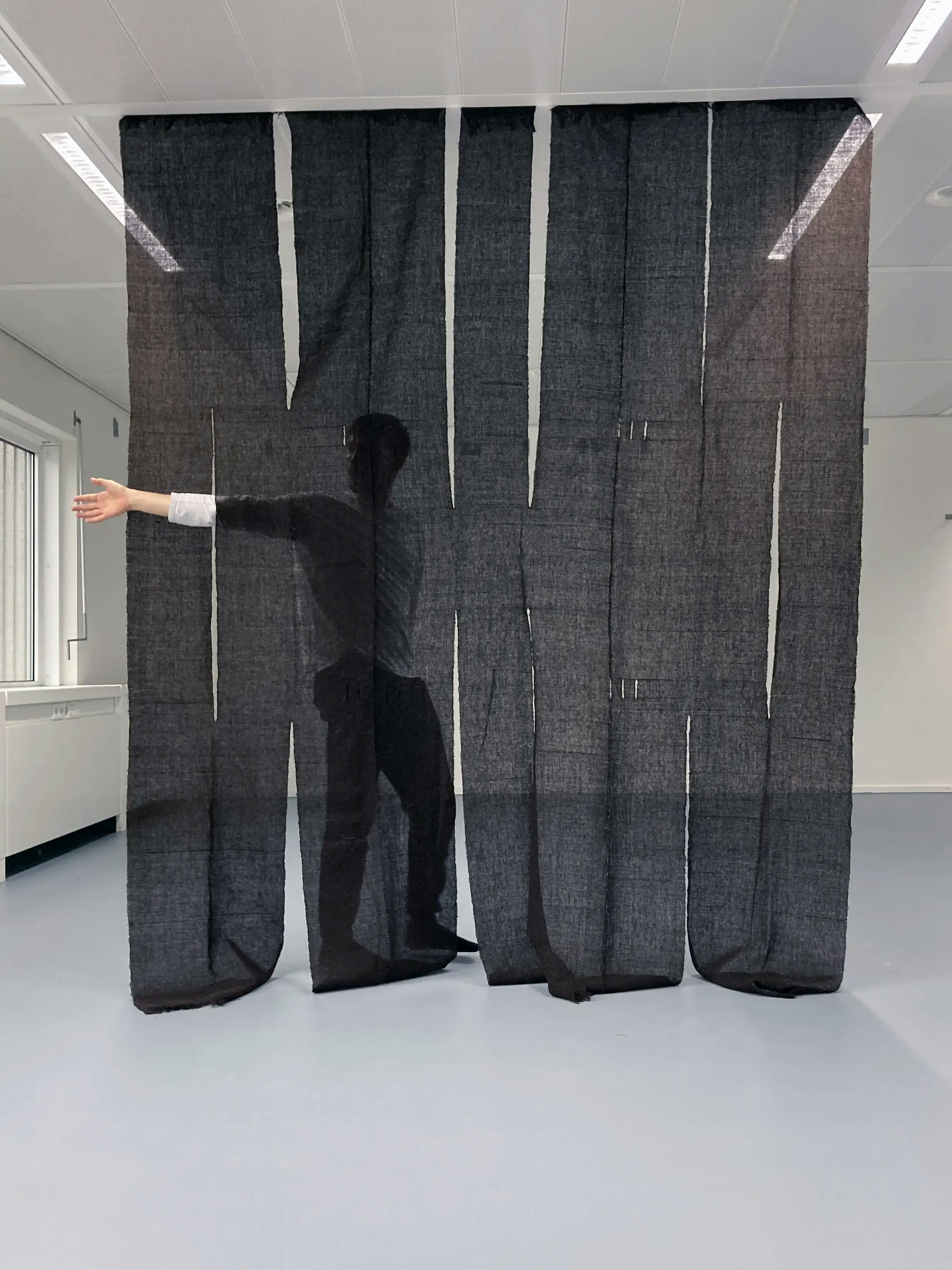
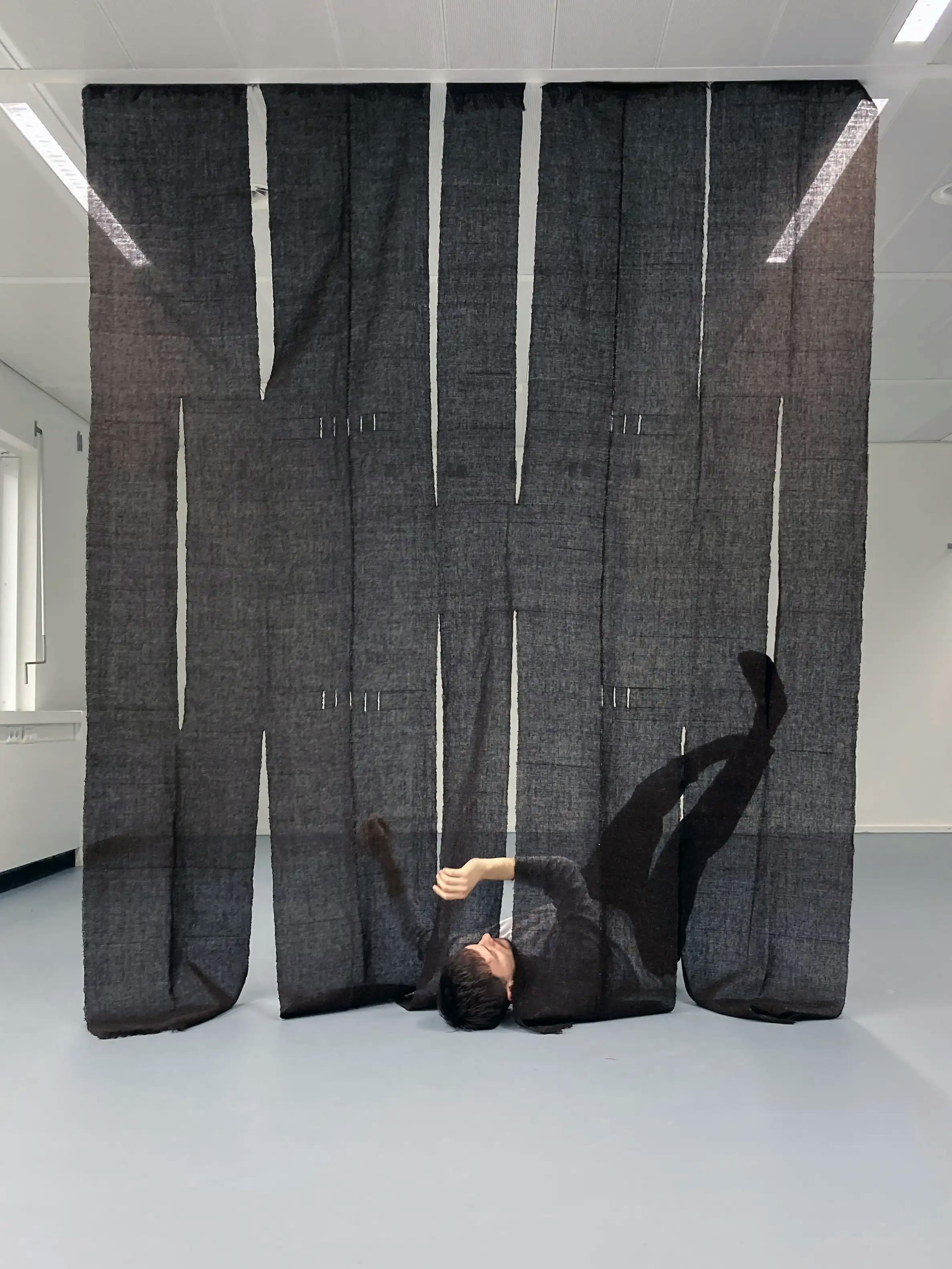
Fig 46. Holey Body, 2021, Various sizes, handwoven wool & cotton; Photo: Judith Jockel
Fig 47. Holey Body, 2021, Various sizes, handwoven wool & cotton; Photo: Judith Jockel
Fig 48. Holey Body, 2021, Various sizes, handwoven wool & cotton; Photo: Judith Jockel
Fig 49. Holey Body, 2021, Various sizes, handwoven wool & cotton; Photo: Judith Jockel
Fig 50. Holey Body, 2021, Various sizes, handwoven wool & cotton; Photo: Judith Jockel
Fig 51. Holey Body, 2021, Various sizes, handwoven wool & cotton; Photo: Judith Jockel
Fig 52. Holey Body, 2021, Various sizes, handwoven wool & cotton; Photo: Judith Jockel
Fig 53. Holey Body, 2021, Various sizes, handwoven wool & cotton; Photo: Judith Jockel
Fig 54. Holey Body, 2021, Various sizes, handwoven wool & cotton; Photo: Judith Jockel
Fig 55. Cross-Cloth, 2019, Performance (30 min.), Gerrit Rietveld Academie, Amsterdam, The Netherlands
Fig 56. Cross-Cloth, 2019, Performance (30 min.), Gerrit Rietveld Academie, Amsterdam, The Netherlands
Fig 57. Cross-Cloth, 2019, Performance (30 min.), Gerrit Rietveld Academie, Amsterdam, The Netherlands
Fig 58. Cross-Cloth, 2019, Performance (30 min.), Gerrit Rietveld Academie, Amsterdam, The Netherlands
Fig 59. Cross-Cloth, 2019, Performance (30 min.), Gerrit Rietveld Academie, Amsterdam, The Netherlands
Fig 60. Cross-Cloth, 2018, Prototype in collaboration with Jana Matchavariani, handwoven cotton, Amsterdam, The Netherlands
The Weaver’s Handshake
The works in this period explore the intergenerational weight and quiet resilience of tradition and traditional knowledge, felt through touch, rhythm, and intimate connections. Whether through the somatic labour of weaving, the ephemeral presence embedded in painted images, or the tender scores shared by makers, each piece reclaims and reconfigures inherited forms of making, relating, and remembering. Rooted in tactile processes and attentive gestures, these works resist the erasure brought about by automation and politics of exclusion, offering instead a deeply embodied relation to the world.
We Already Have Enough
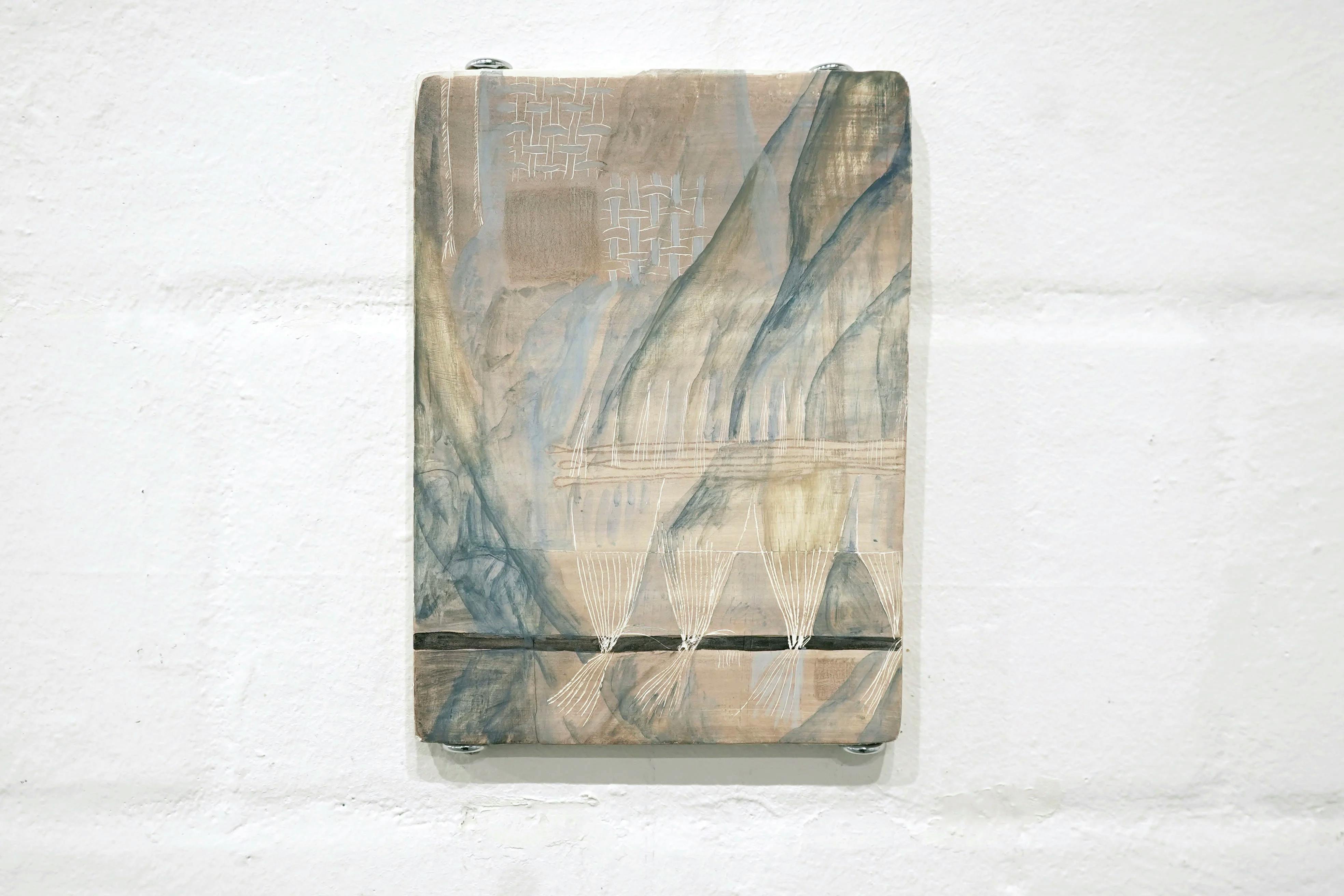
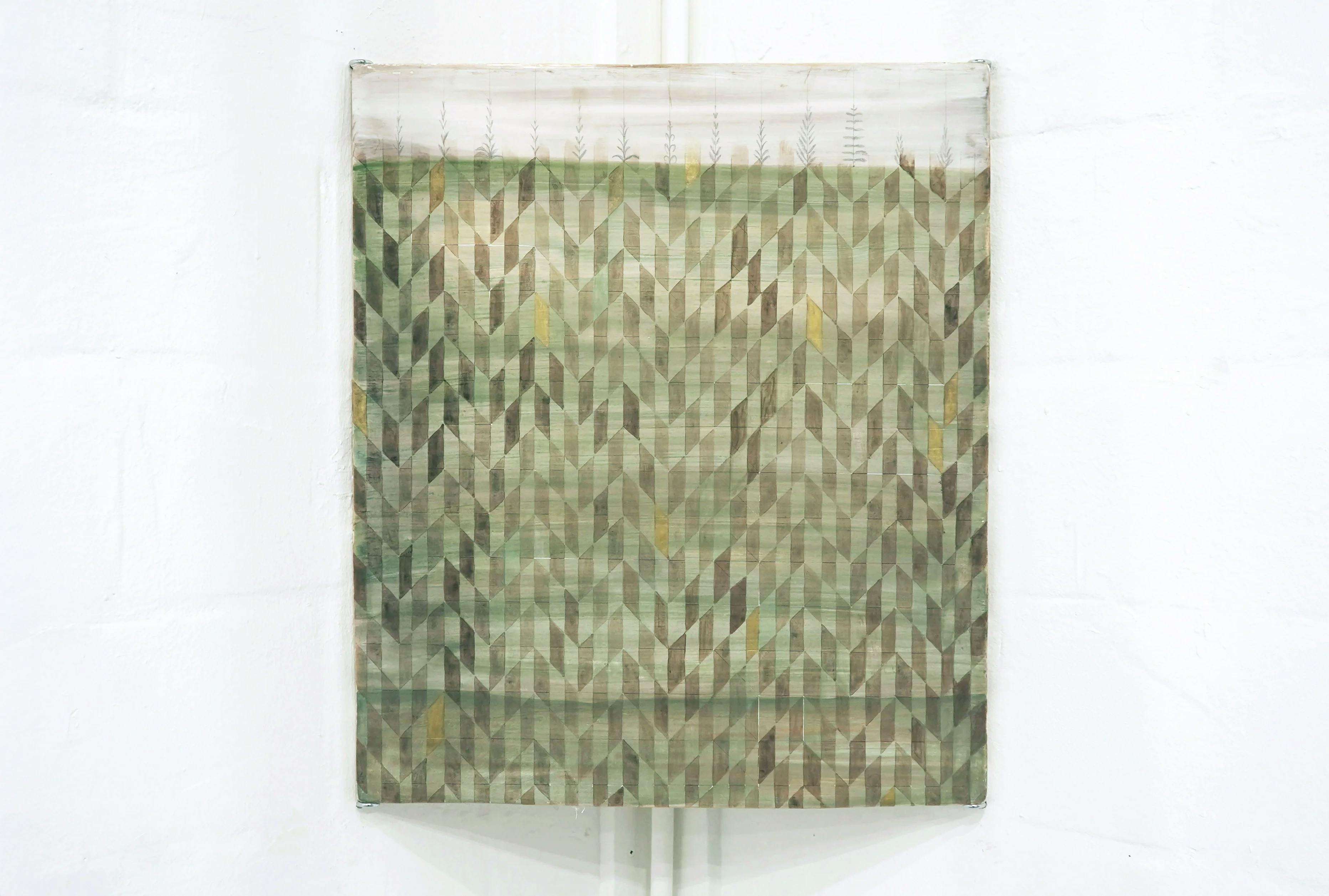
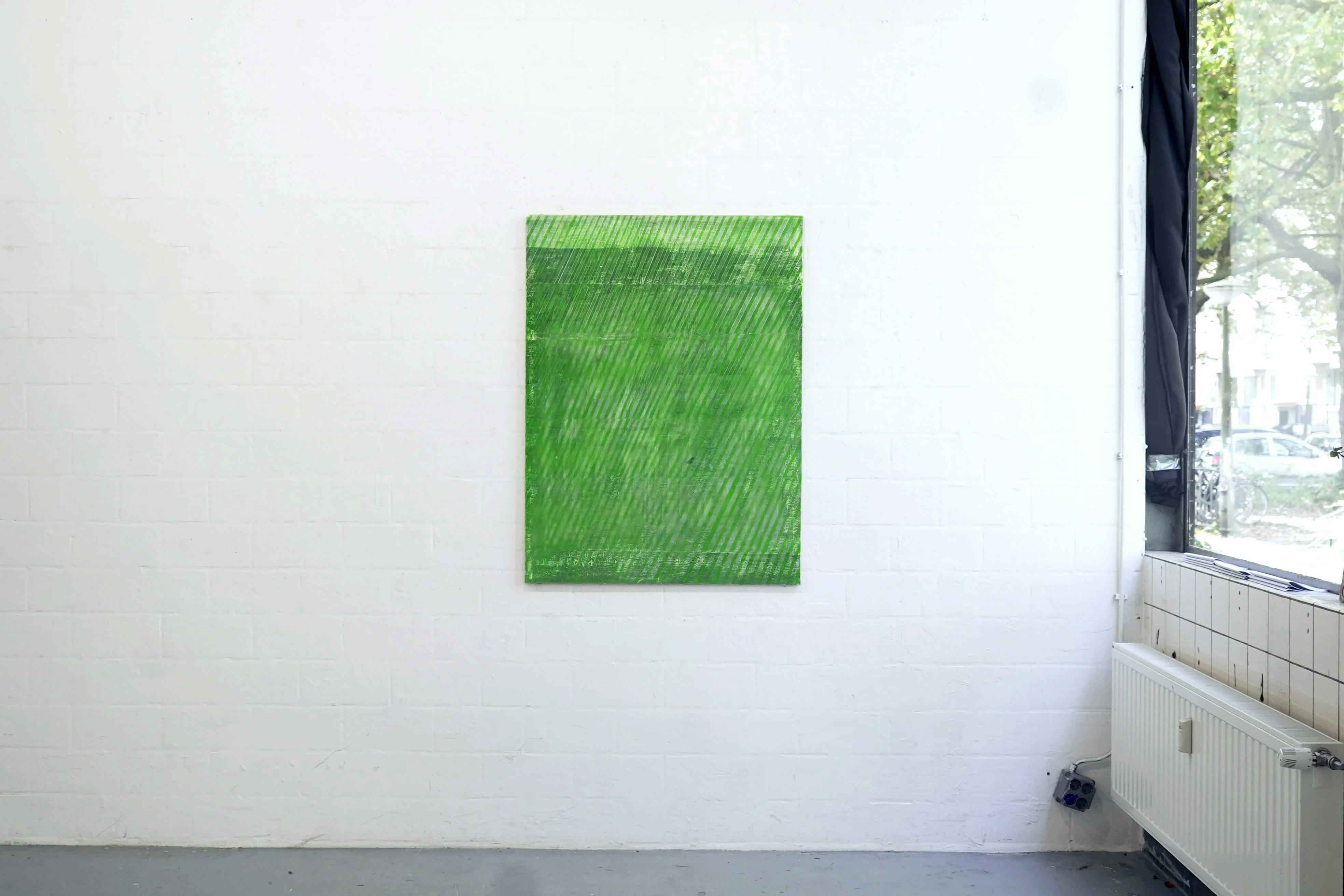
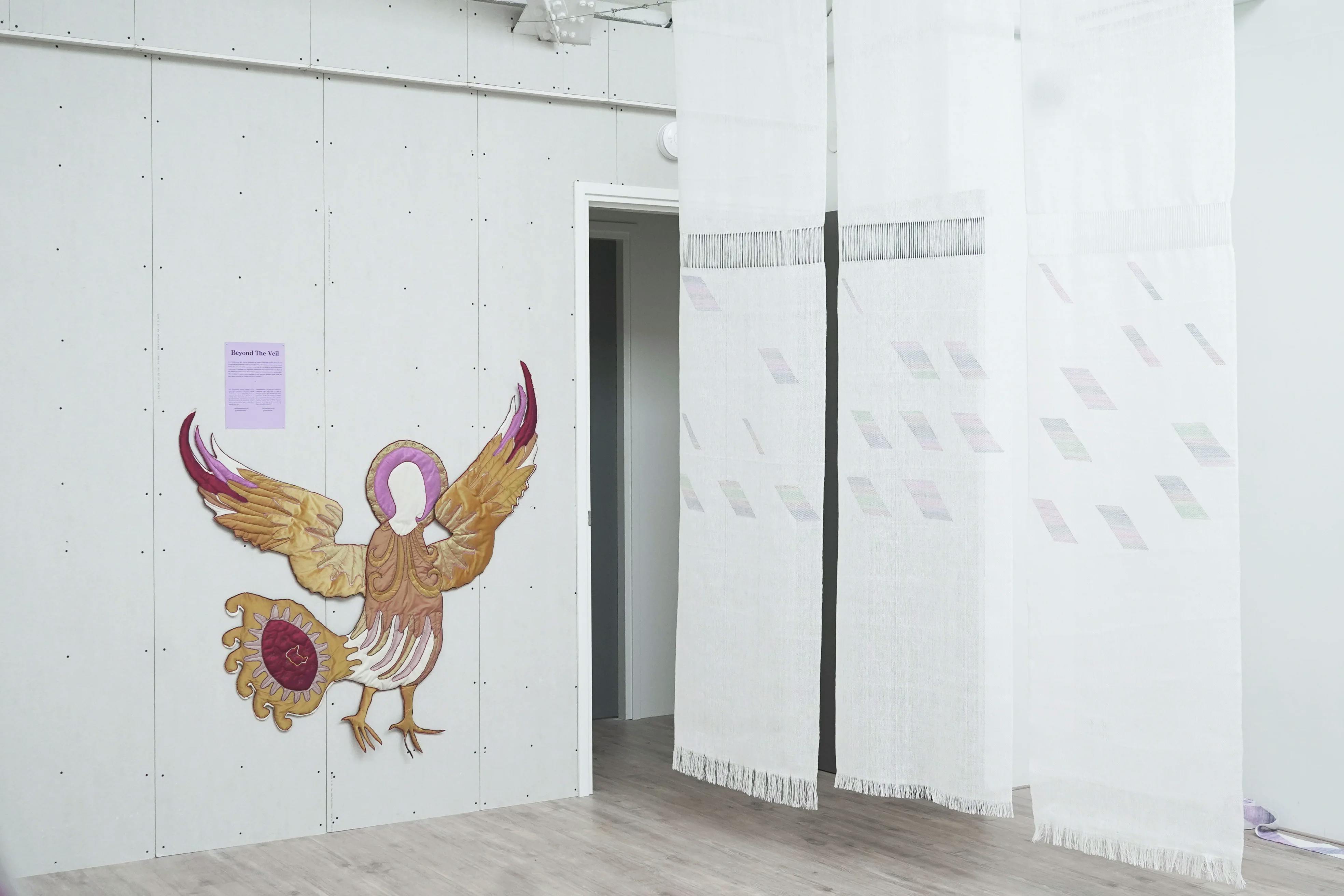
“We Already Have Enough” offers a quiet space of resistance and contemplation amid a world unravelling under the weight of unlimited production and consumption. Through intimate paintings and an immersive textile installation, the exhibition proposes making and thinking as inseparable acts. This new body of work arises from close attention to what is already here, drawing on traditional practices of icon-painting and weaving, as materials shaped with care and time.
The space invites the viewer to dwell in it, treating slowness as a gesture toward another possible world. Rejecting spectacle and post-consumerist aesthetics, Gleb turns to subtlety and attentiveness. Rooted in queer ideas around radical care, Gleb’s practice reframes making art not as production of ideas, but as experience and repair where tradition becomes an essential part of transformation.
Presentation at Prospects Rotterdam 2026
What the Body Remembers
“The Body Remembers” combines painting with weaving, exploring the tension between authorship and tradition. Drawing on traditional icon painting and weaving techniques, the piece reflects on how cultural identity is formed through inherited histories and personal experience. The painting’s rhythmic patterns mirror the woven textile, extending the visual language beyond canvas. The textile, narrow and long, stretches through space, creating a conversation between body, material, and memory. Informed by the artist’s migration to the Netherlands and shaped by queerness and diasporic heritage, the work speaks to the complexities of belonging. It questions the artist’s role in carrying, interpreting, and transmitting tradition in the present.
A Passage
For this exhibition Hyeonju Lee and Gļeb Maiboroda are bringing their practices together. Situated in a state of in-betweenness, they attempt to capture and materials that exist in a presence of silence. Embodied through the act of drawing and painting, the artists depict places of daily life where the traces of human presence and touch have been left.
Beyond The Veil, 2024
Jana Matchavariani and Gleb(s) Maiboroda will present a new body of work which focuses on unveiling the imaginative realm of queer friendship. The exhibition delves into the hidden bonds often obscured in the experience of everyday life. By lifting the veil on long-hidden connections, it illuminates the clandestine relationships and coded messages that linger in the shadows of societal norms. The installation captures a moment where two worlds collide. This merging of realms creates a landscape of soft structure, shadows, golden lights and faint figures, revealing the invisible threads of connections.
Weaver’s Handshake, 2023
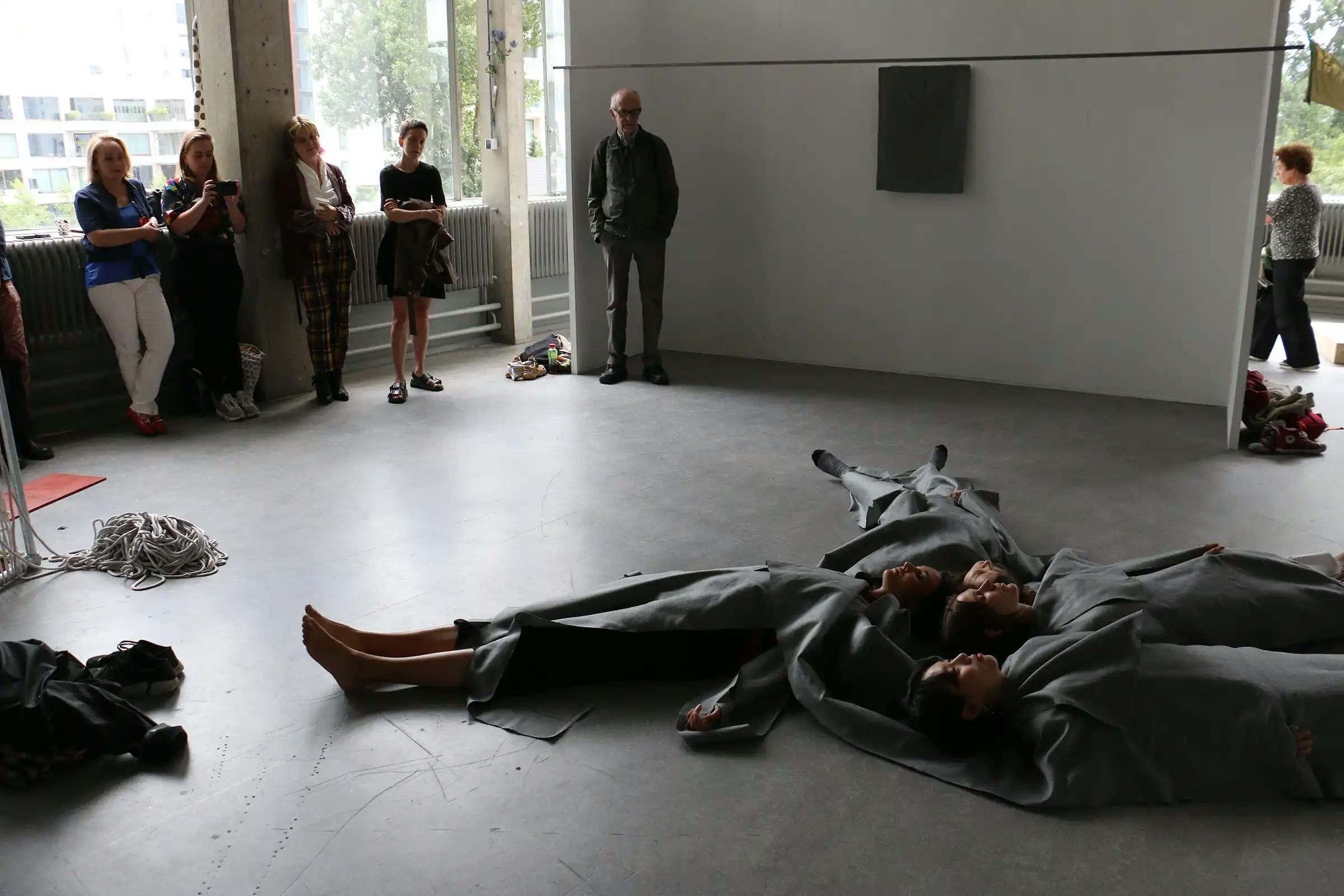
Performed at the Centrale Fies Residency (Dro, Italy), performance consisted of a 30-minute choreography in which six performers* unfurled a 21-metre long hand-woven fabric. Through the unravelling of this vast fabric, I wanted to create a space that invited the audience into a situation where something made by hand is treated through touch, preciousness and care. In a world where we are often so desensitised by the effects of global industrialisation, the performers were each given the task to find their own ways of responding to the fabric. Accompanied by a specially composed track with a metronome, this resulted in the performers entering into a somatic state of rhythm and measure. With the metronome creating a fixed beat and pattern, I asked the performers to try and arrive at a point of free movement: a moment in which their bodies found their own rhythm and pace of unravelling while still creating a loop of interconnection between themselves and the audience. In October 2023, a second iteration of this work was performed at Stadtmuseum Deggendorf, Germany.
*Baoxin Liao, Ania Yilmaz, Rex Collins, Meii Soh, Valeria Moro & Claudia Medeiros
Shuttling Bodies: Automated Rhythms and the Somatics of Weaving, Publication in edition of 30 (2023)
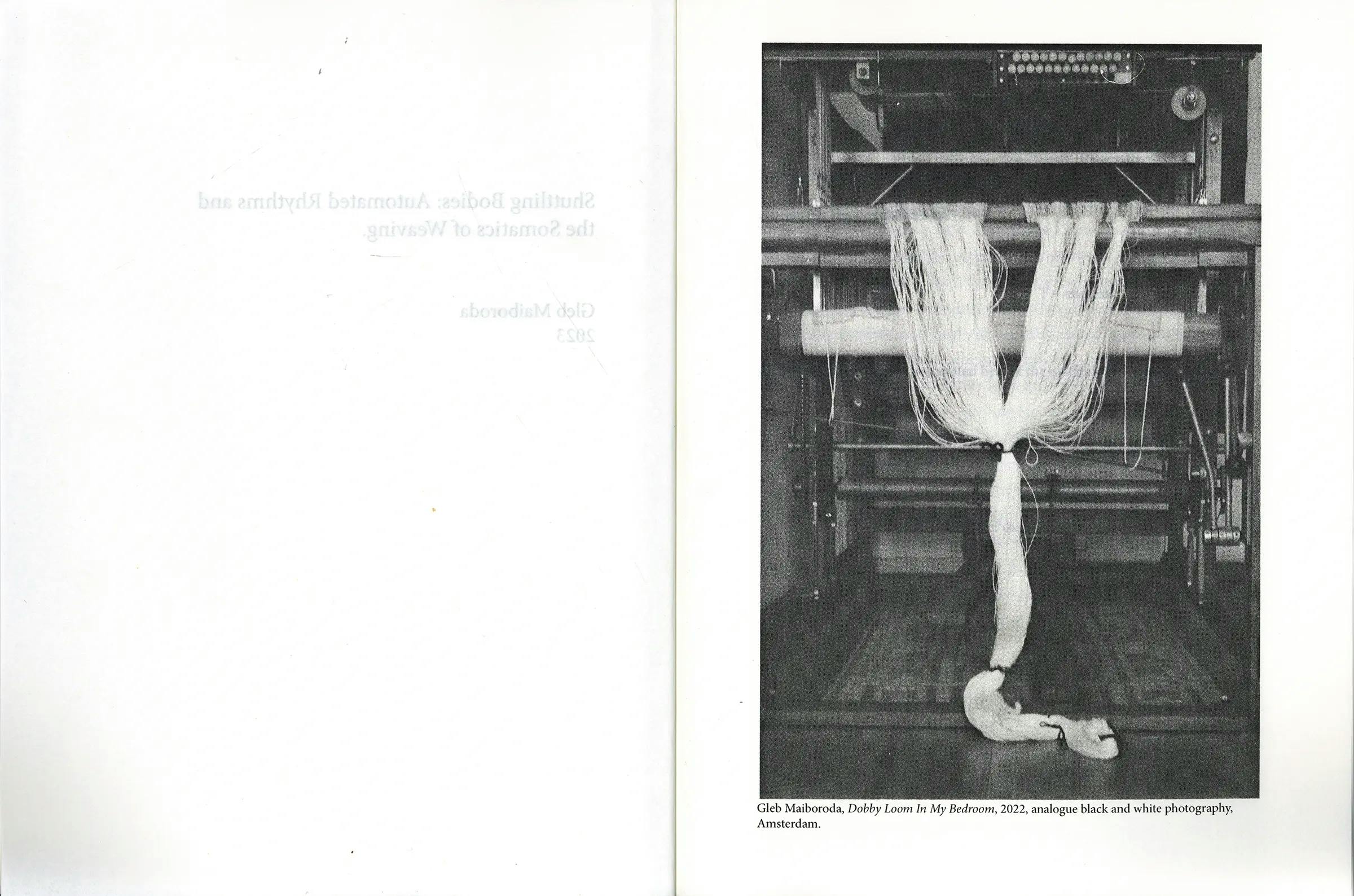
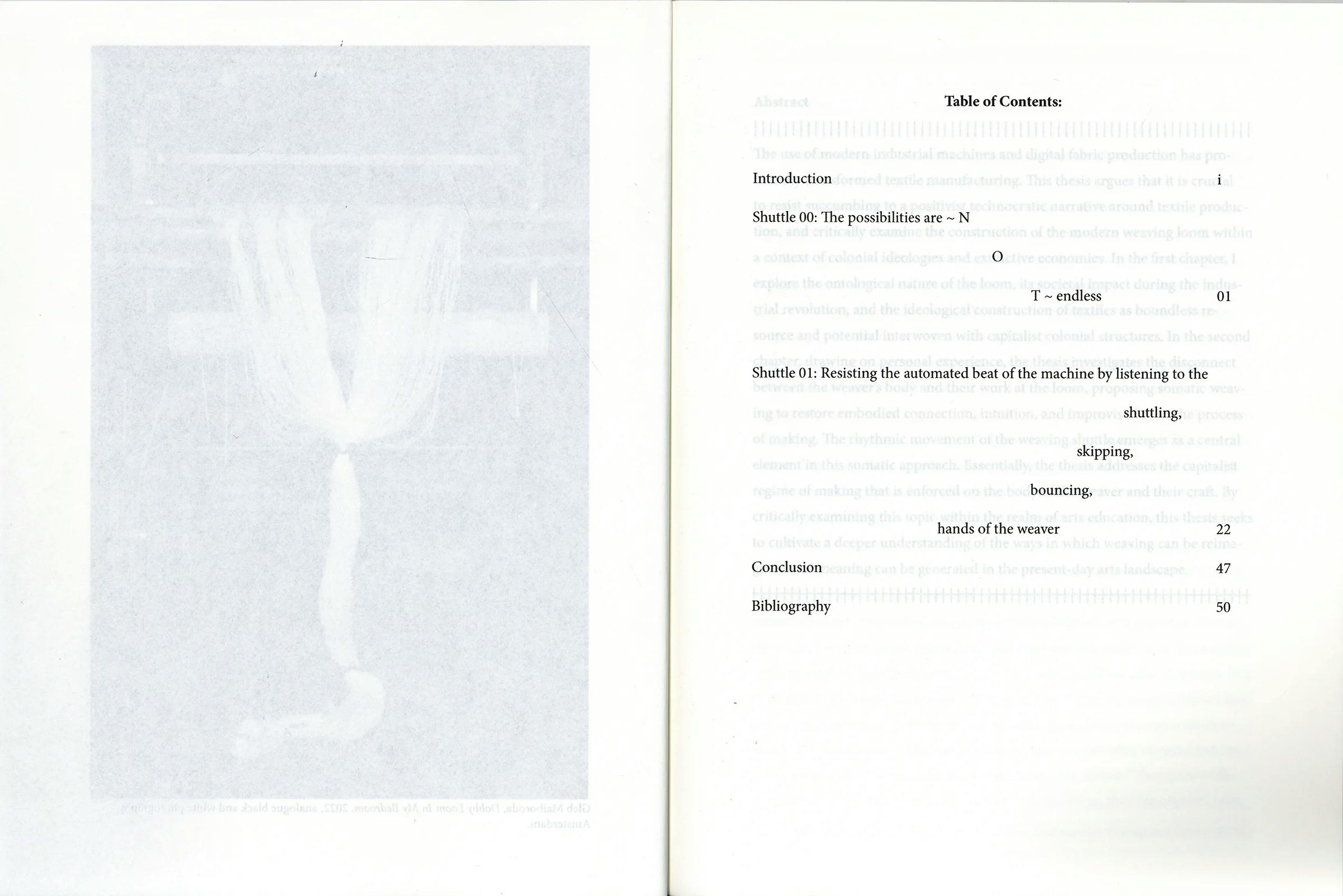
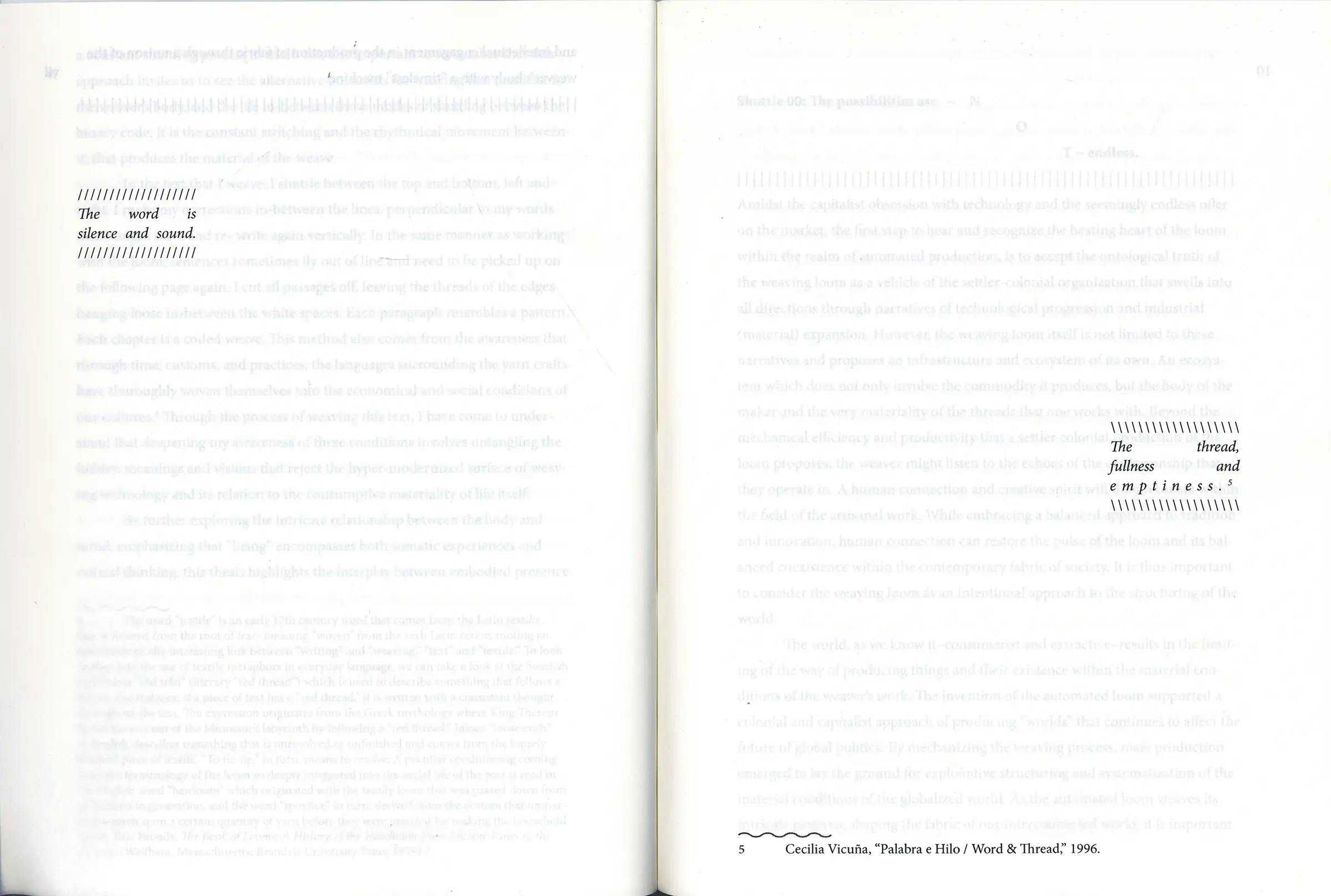
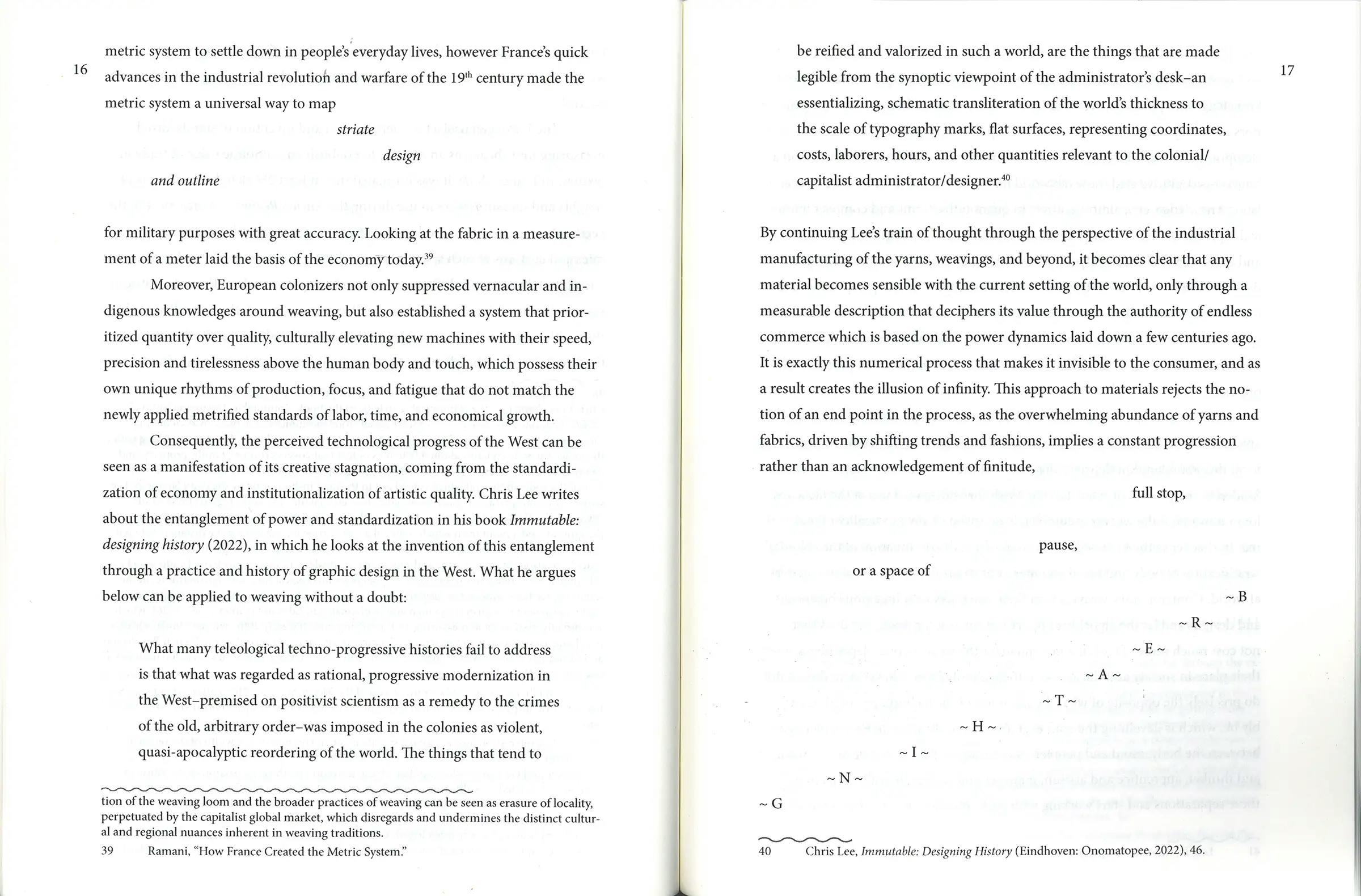
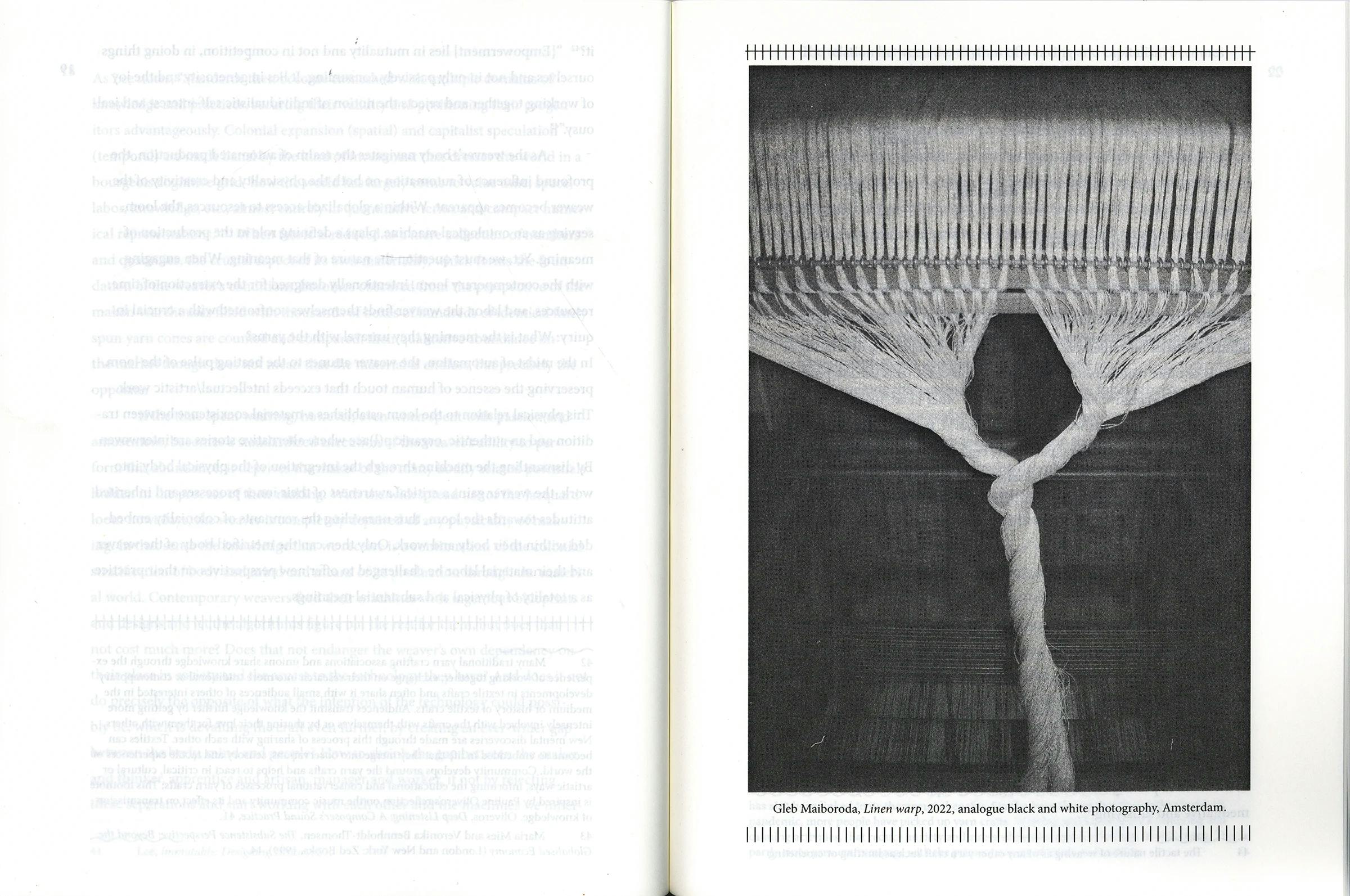
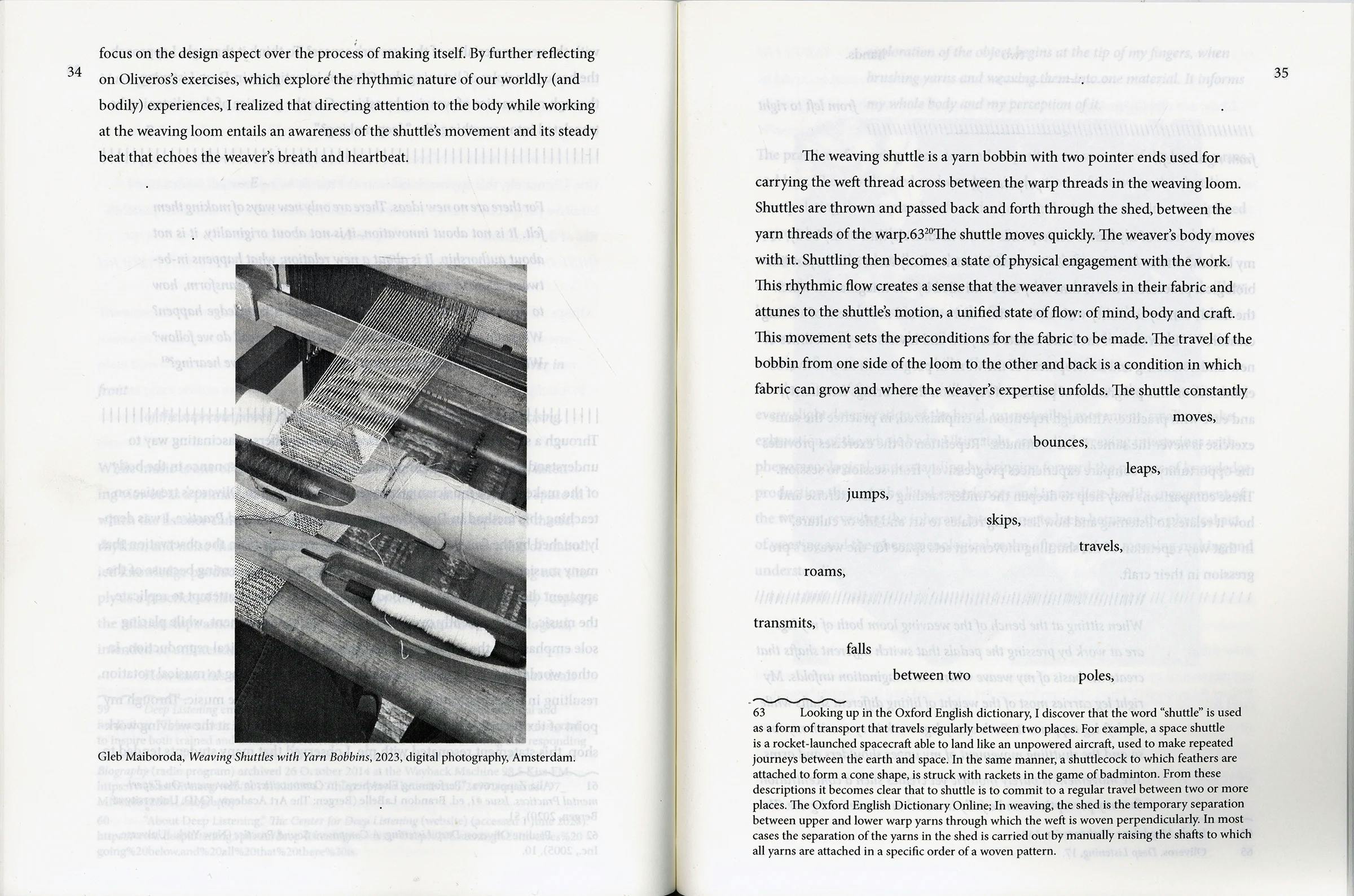
The publication explores the transformative relationship between weaving, automation, and the body. Framing thread as a foundational human technology, the work traces the ontological evolution of the automated loom from the Industrial Revolution to contemporary digital processes and the loom’s entanglement with capitalist, colonial, and extractive systems of production. It examines how the mechanisation of textile practices has distanced the act of making from the physical presence of the maker, particularly in the context of fully automated systems such as the Jacquard loom.
Drawing from both artistic and pedagogical practices, the publication proposes somatic approaches to weaving that restore embodied awareness, intuition, and improvisation. Through rhythmic interaction with machines and materials, it reimagines the weaver’s body as a site of resistance and un-learning. Interwoven with reflections by influential thinkers and artists, including Magdalena Abakanowicz, Cecilia Vicuña, Anni Albers, Pauline Oliveros, and Eve Kosofsky Sedgwick, the text offers a critical and sensorial re-engagement with textile-based material culture in the age of automation and AI.
Cross-Cloth(-ing)
The works in this period explore the intergenerational weight and quiet resilience of tradition and traditional knowledge, felt through touch, rhythm, and intimate connections. Whether through the somatic labour of weaving, the ephemeral presence embedded in painted images, or the tender scores shared by makers, each piece reclaims and reconfigures inherited forms of making, relating, and remembering. Rooted in tactile processes and attentive gestures, these works resist the erasure brought about by automation and politics of exclusion, offering instead a deeply embodied relation to the world.
Textiles of Resistance
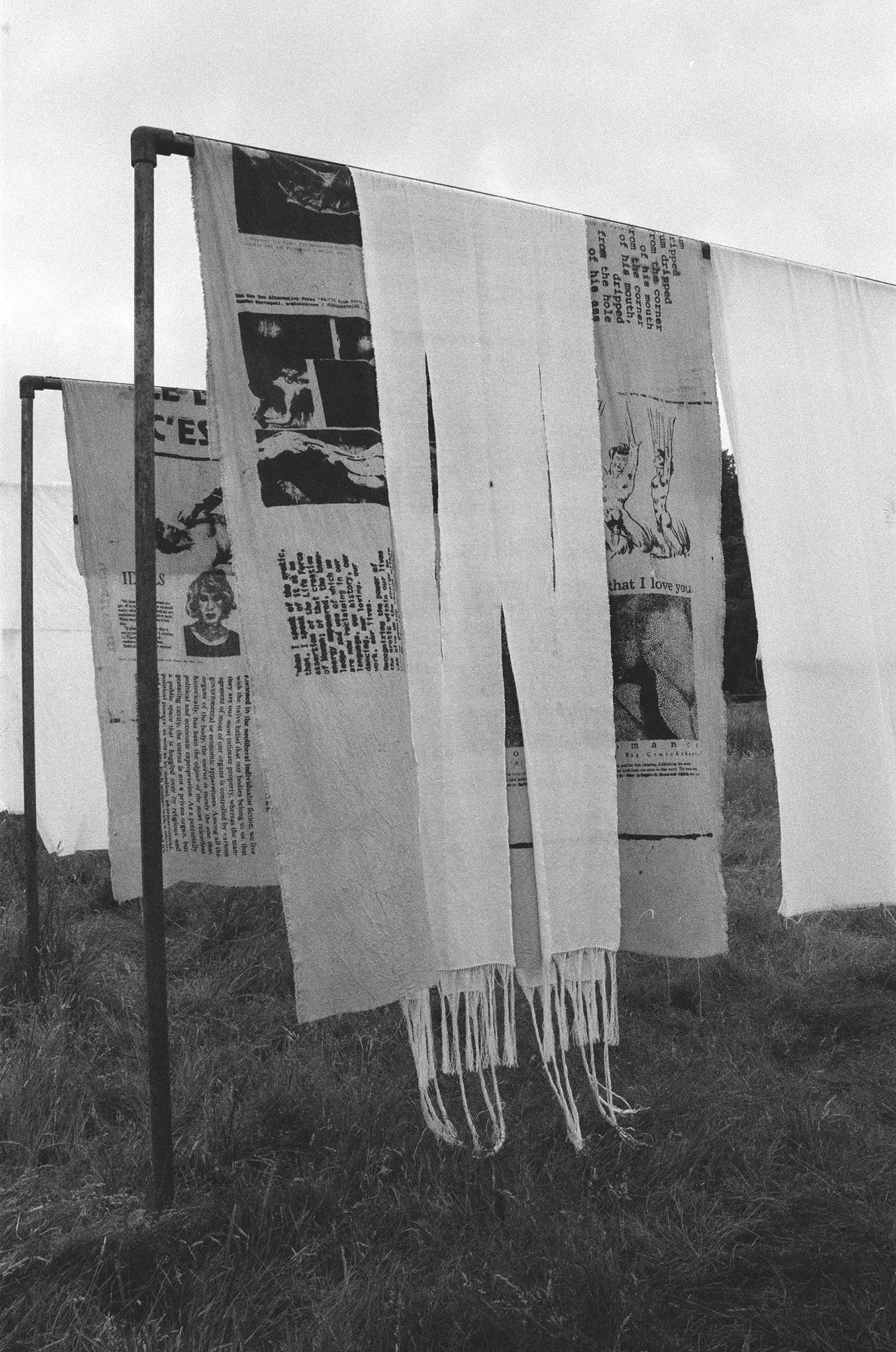
“The Body Remembers” combines painting with weaving, exploring the tension between authorship and tradition. Drawing on traditional icon painting and weaving techniques, the piece reflects on how cultural identity is formed through inherited histories and personal experience. The painting’s rhythmic patterns mirror the woven textile, extending the visual language beyond canvas. The textile, narrow and long, stretches through space, creating a conversation between body, material, and memory. Informed by the artist’s migration to the Netherlands and shaped by queerness and diasporic heritage, the work speaks to the complexities of belonging. It questions the artist’s role in carrying, interpreting, and transmitting tradition in the present.
The Practice of Threading (One's Way), Artist Book in Edition of 30 (2021)
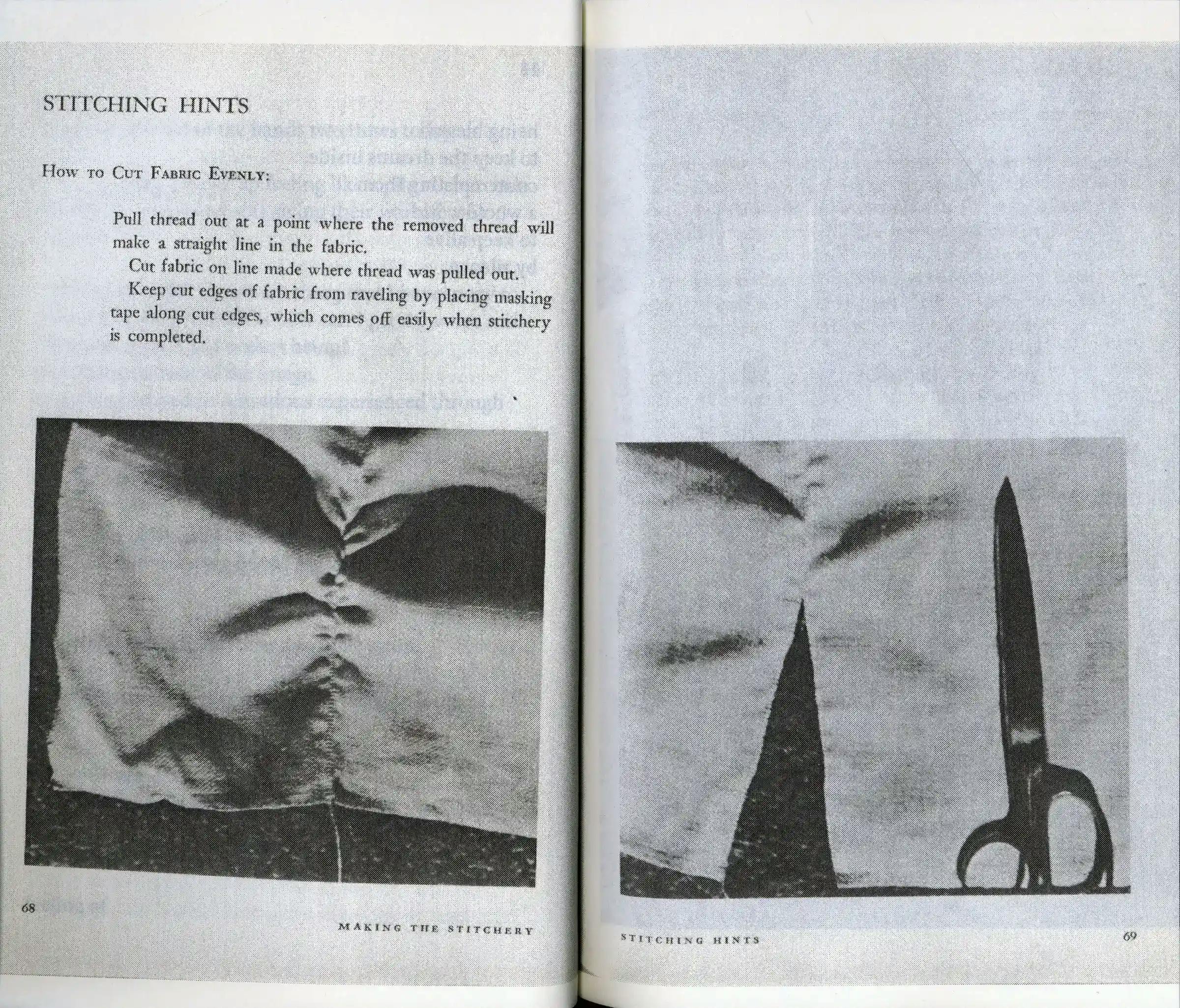
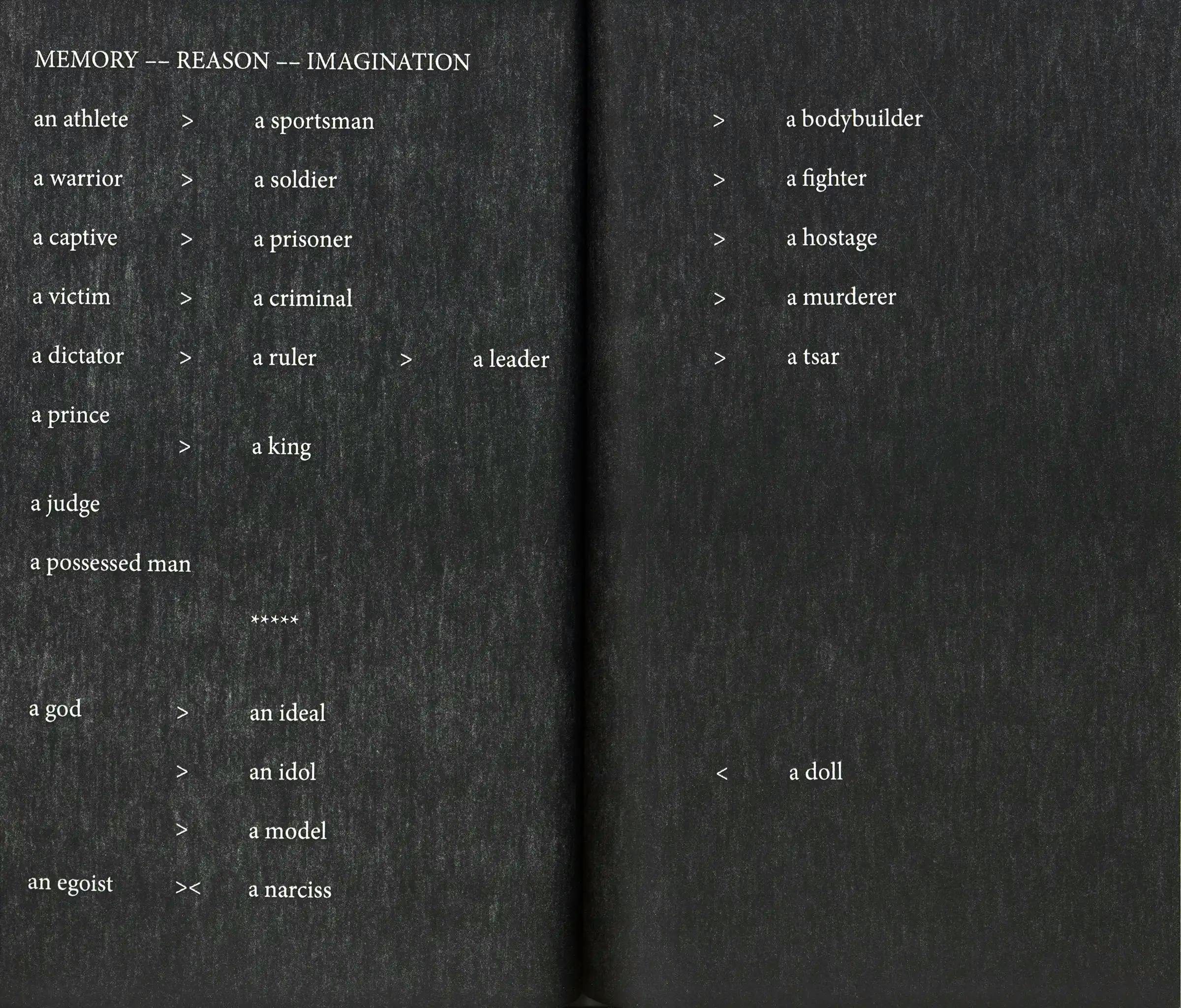
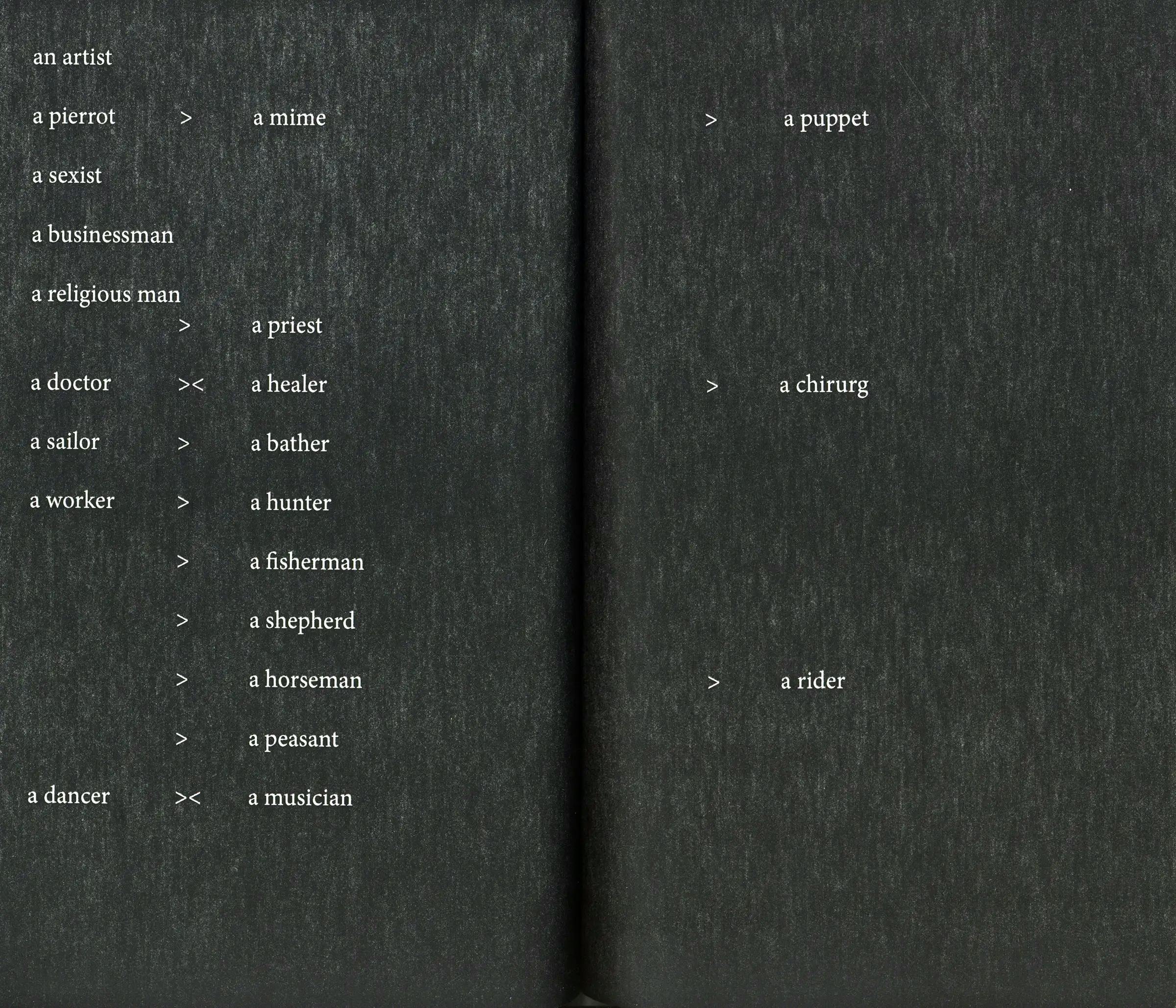
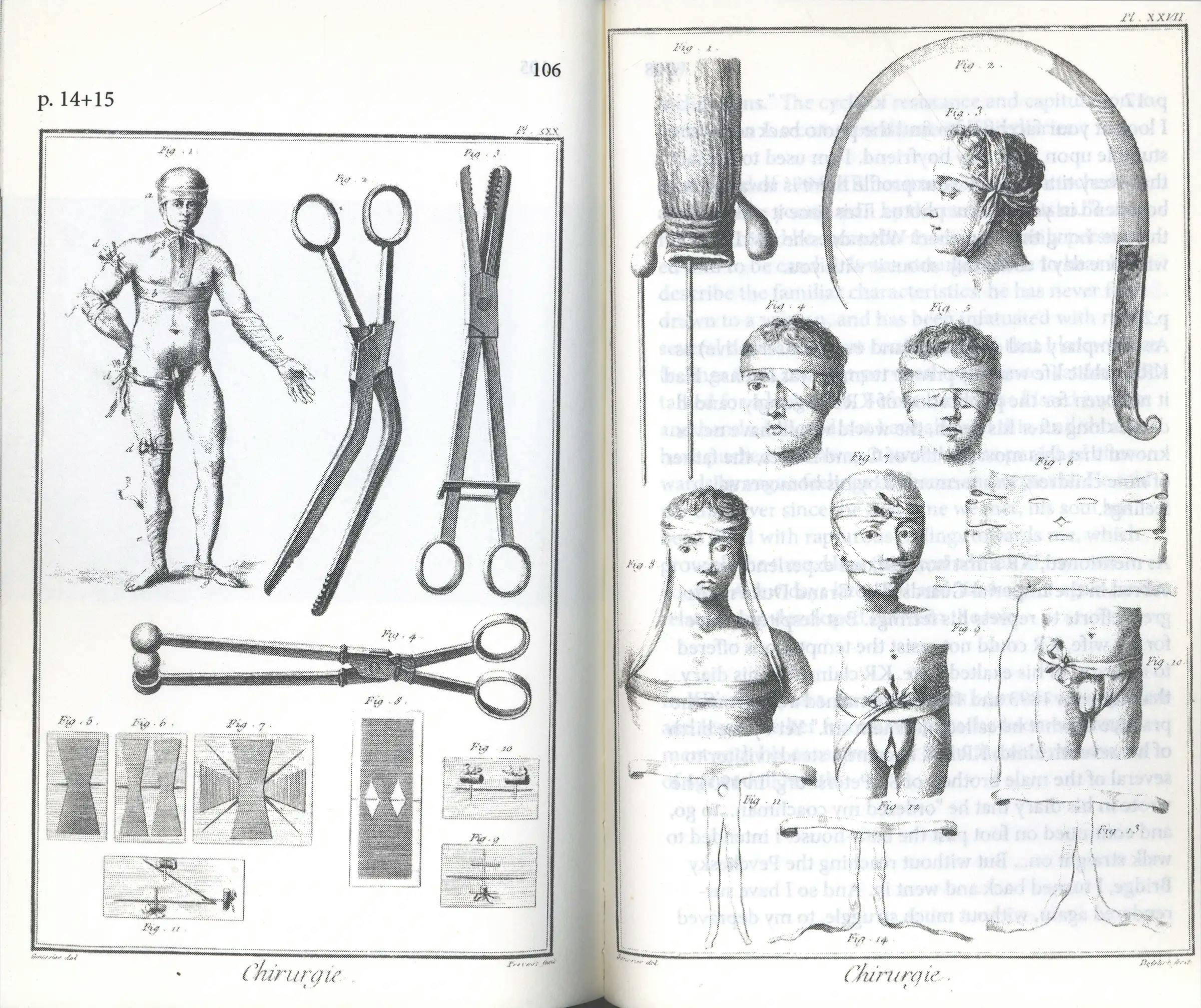
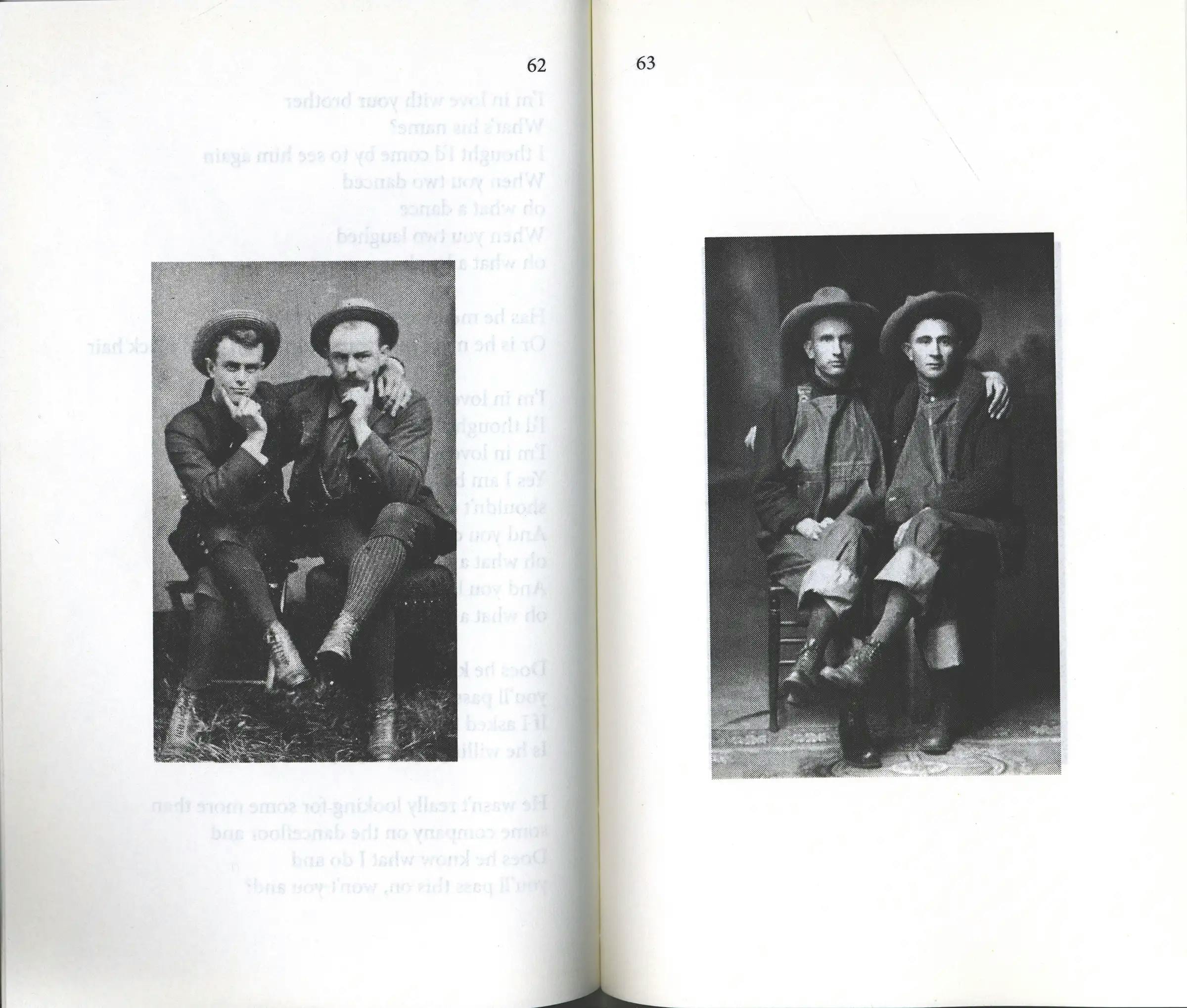
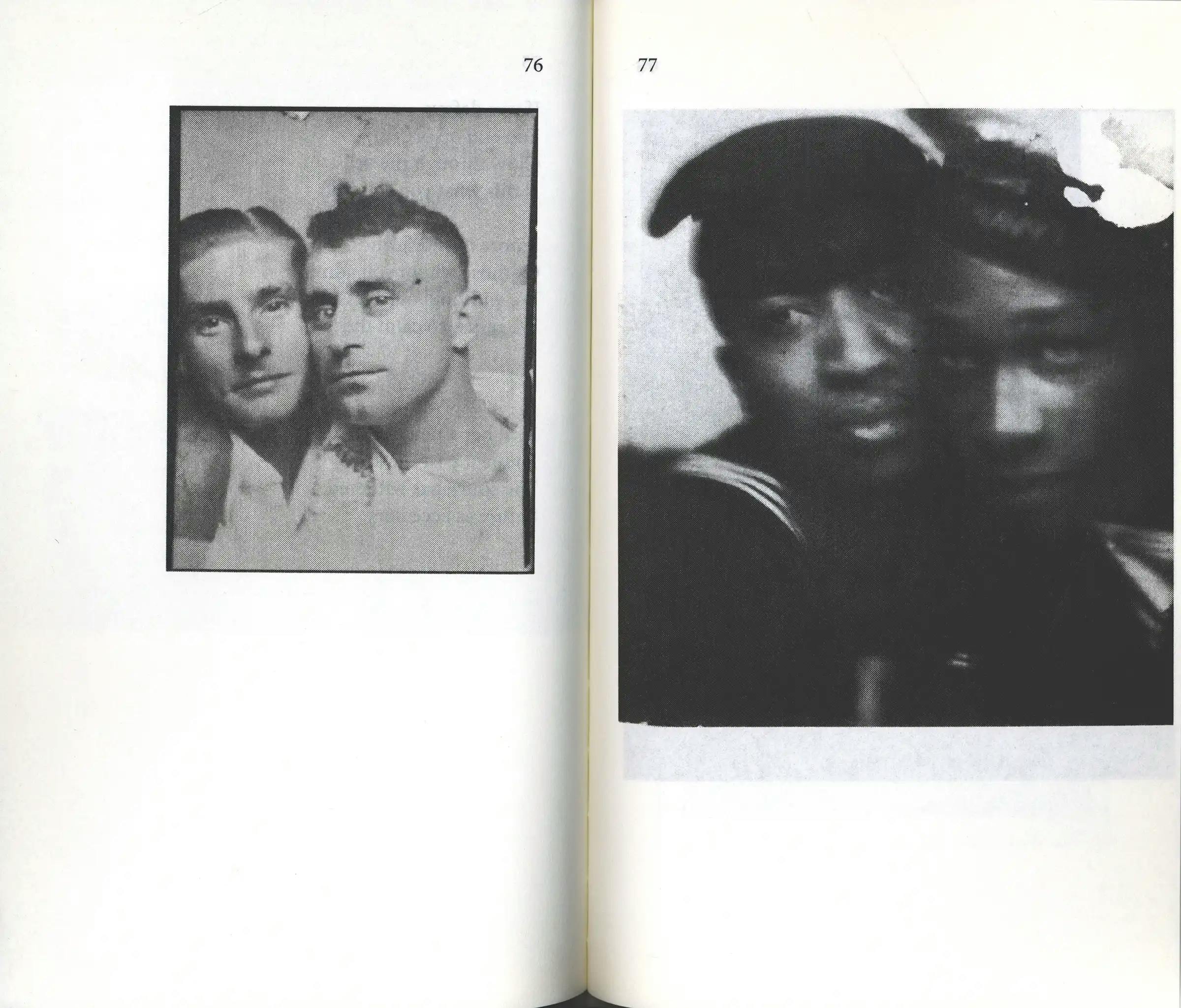
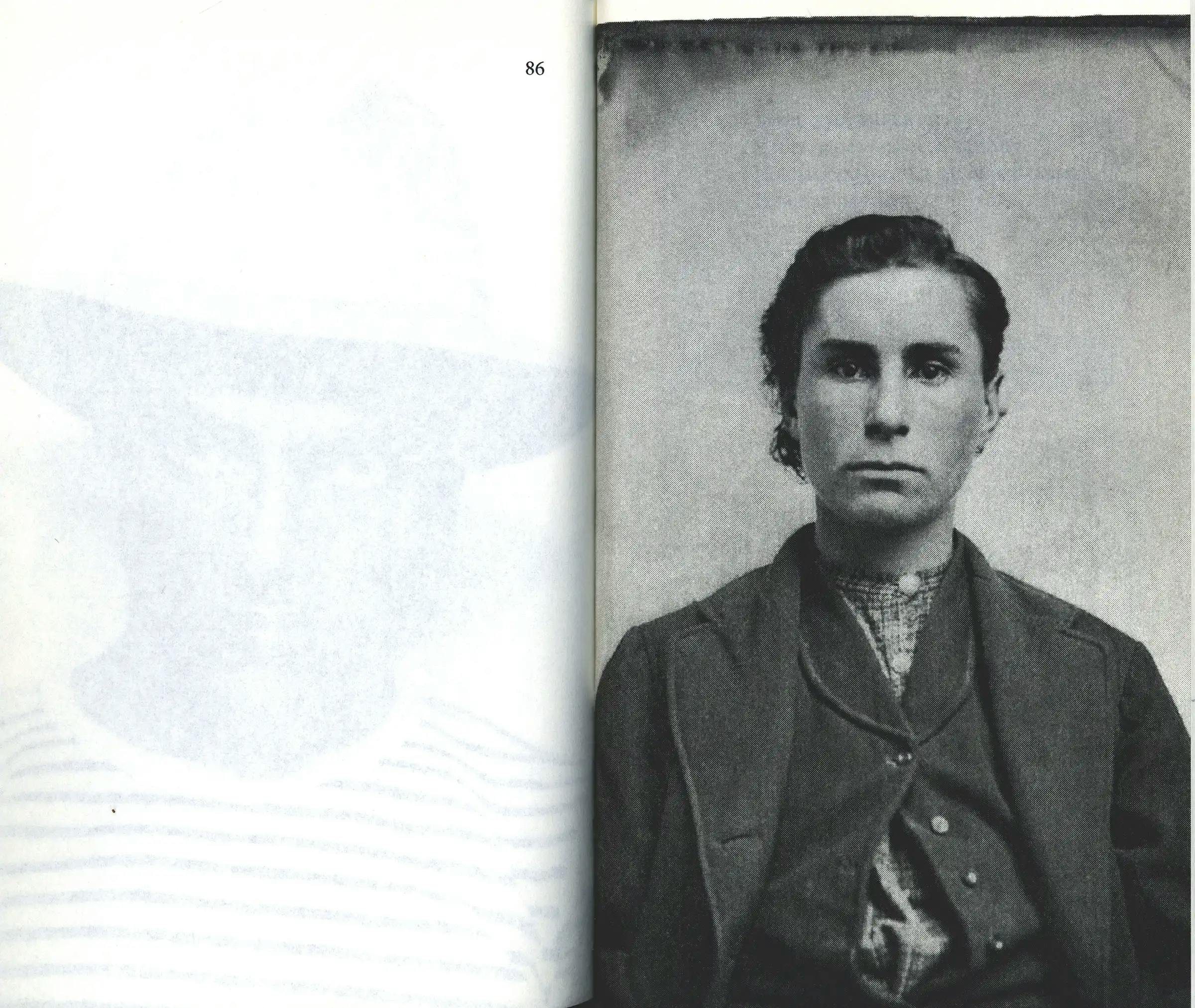
Practicing to Thread (One's Way) is a fictional autobiography that brings together a variety of found images and texts intersected together into a narrative around queer love and longing. Essentially, the publication questions associative modes of memory production and how those are intricately tied to desire. By introducing an intertwined caption and referencing method, the author suggests an alternative way of looking at texts and sensing images in one unbroken continuum.
Holey Body, 2021
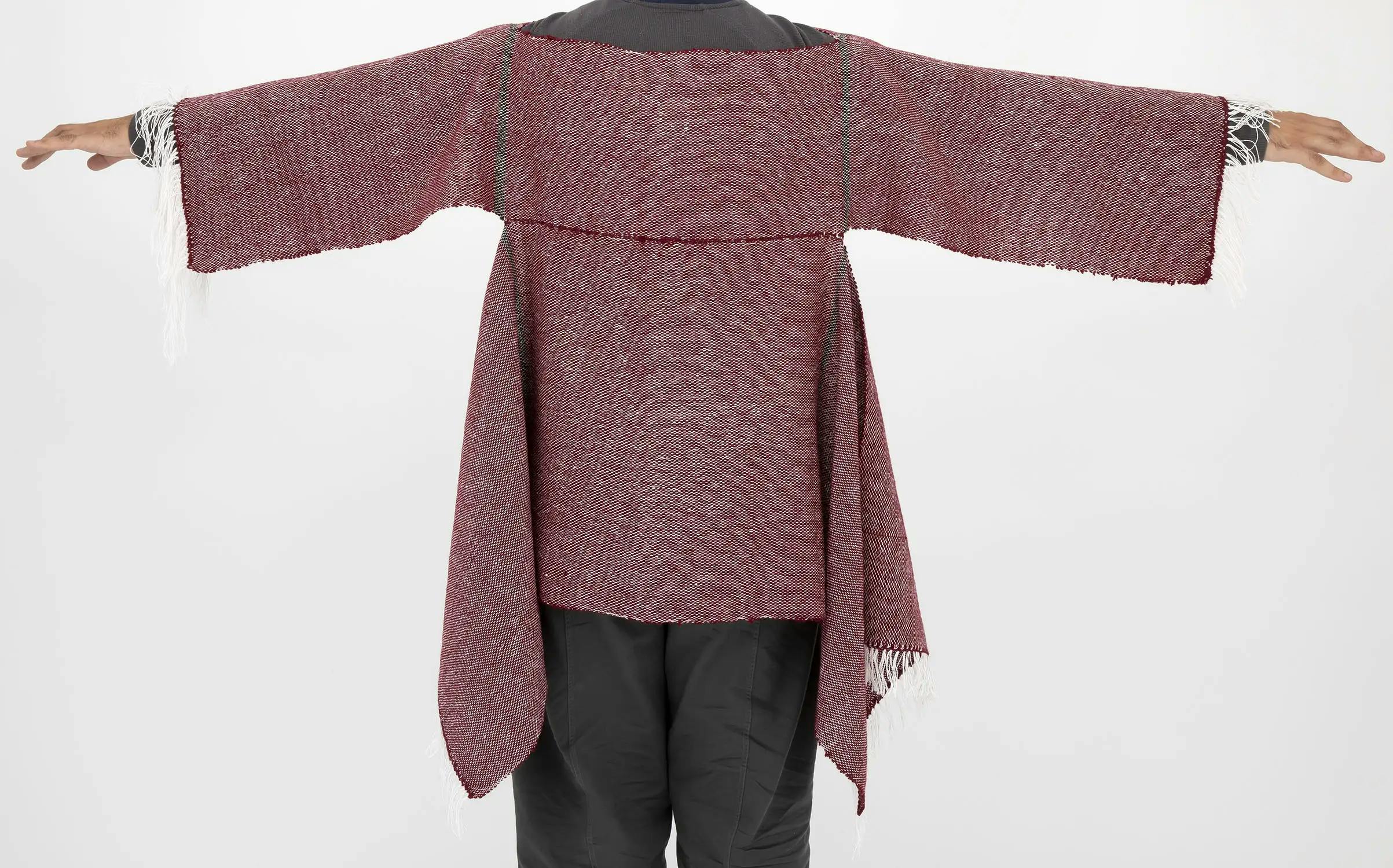
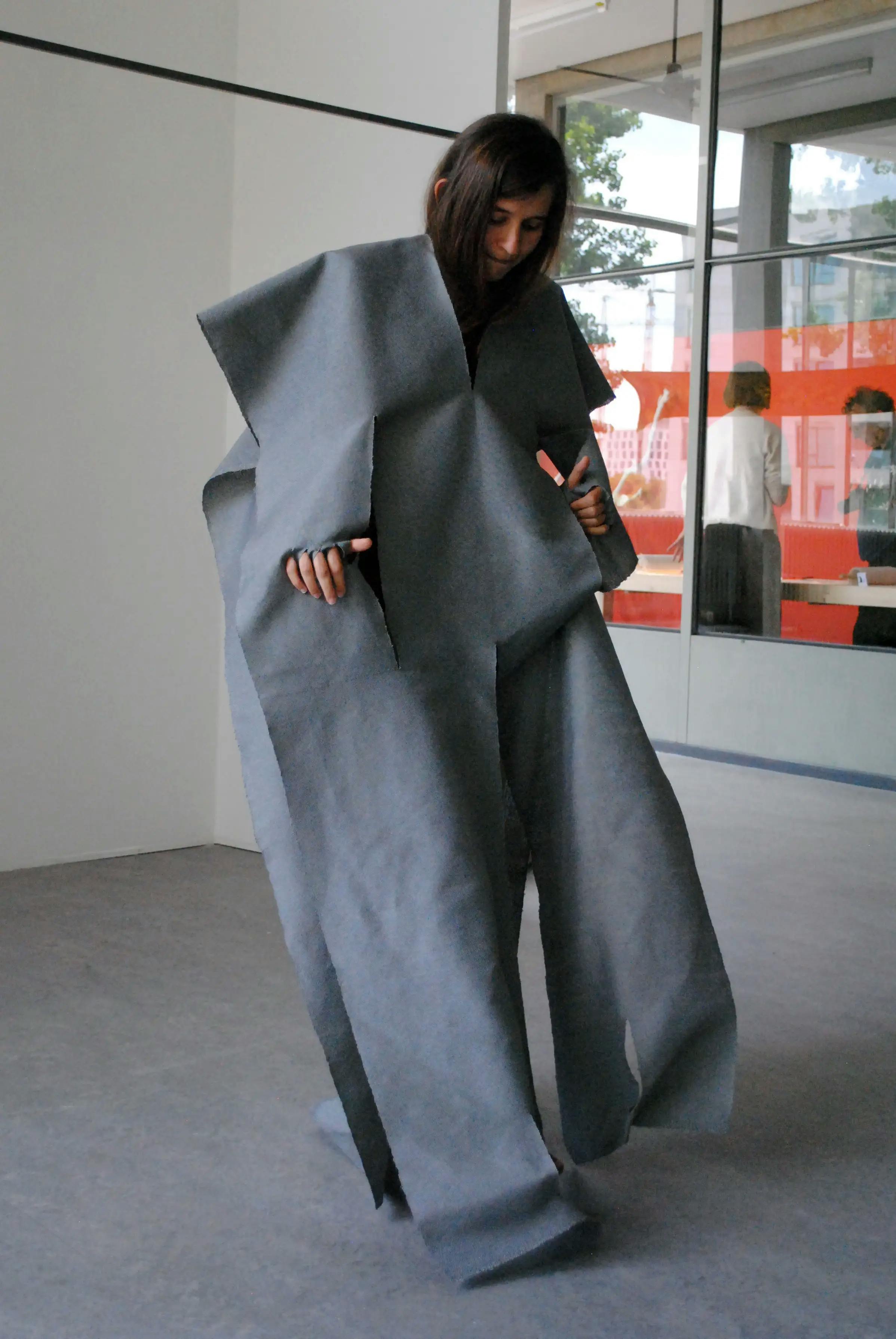
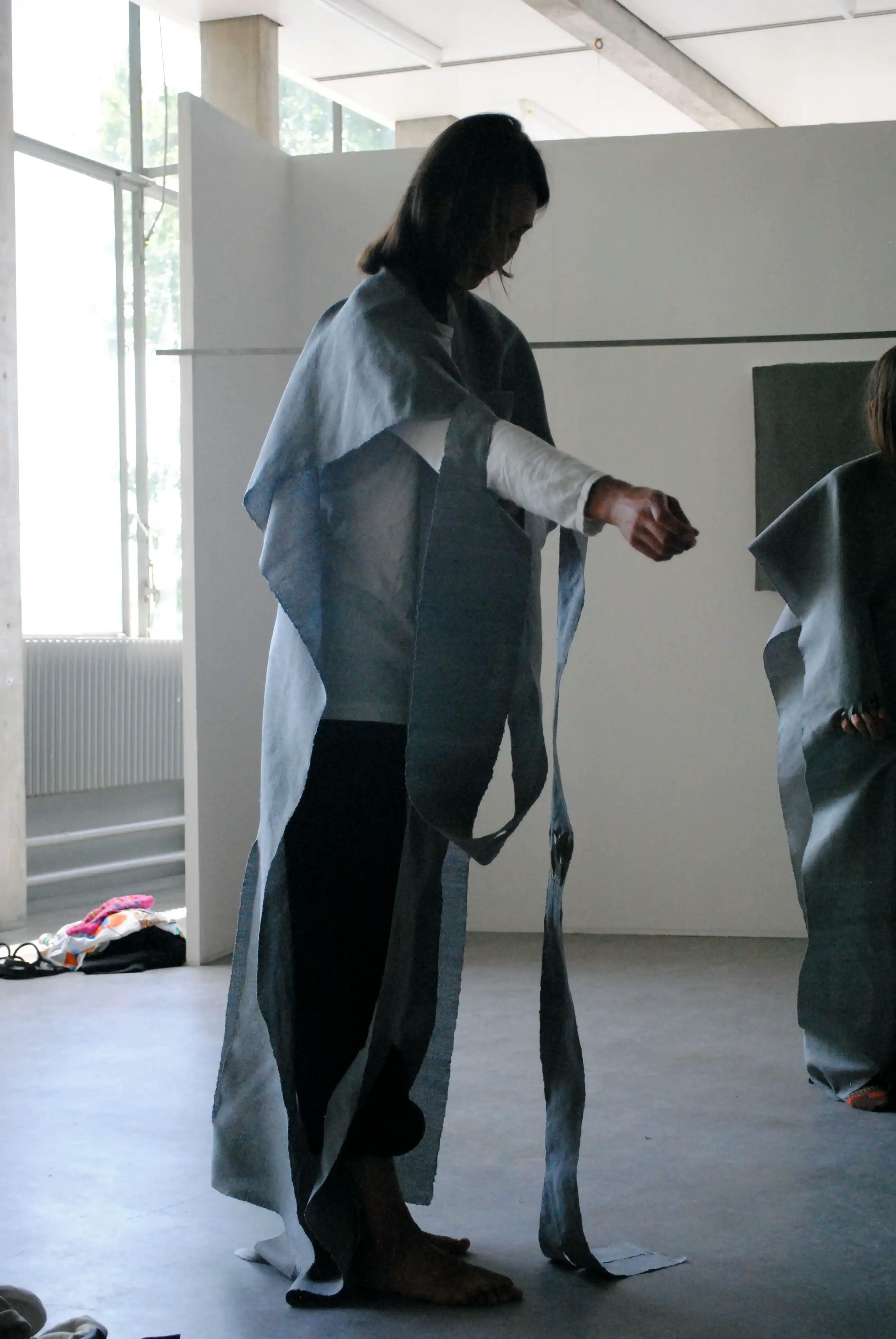
Holey Body is a series of textile pieces that inquire into non-frontal representations of the body––a body not bound by upright symmetry and function, but one imagined as a mutable landscape: foldable, wearable, suspended, or laid bare. It resists containment, seeping through surfaces, emerging from other bodies, suggesting the latent potential of movement before it arrives.
In dialogue with dancer Luca Cacitti, the work becomes a choreographic object. One that shifts, collapses, and unfolds through embodied interaction. A dialogue between the material object and a living form that takes shape accordingly. Textile folds, traces, and holes record and respond to the body’s passage, marking a space between garment and gesture, sculpture and skin. What emerges is not fixed form, but a porous field of becoming––an invitation to sense the body otherwise.
The work was presented during the Artwell Residencies Open Studios
Cross-Cloth, 2019
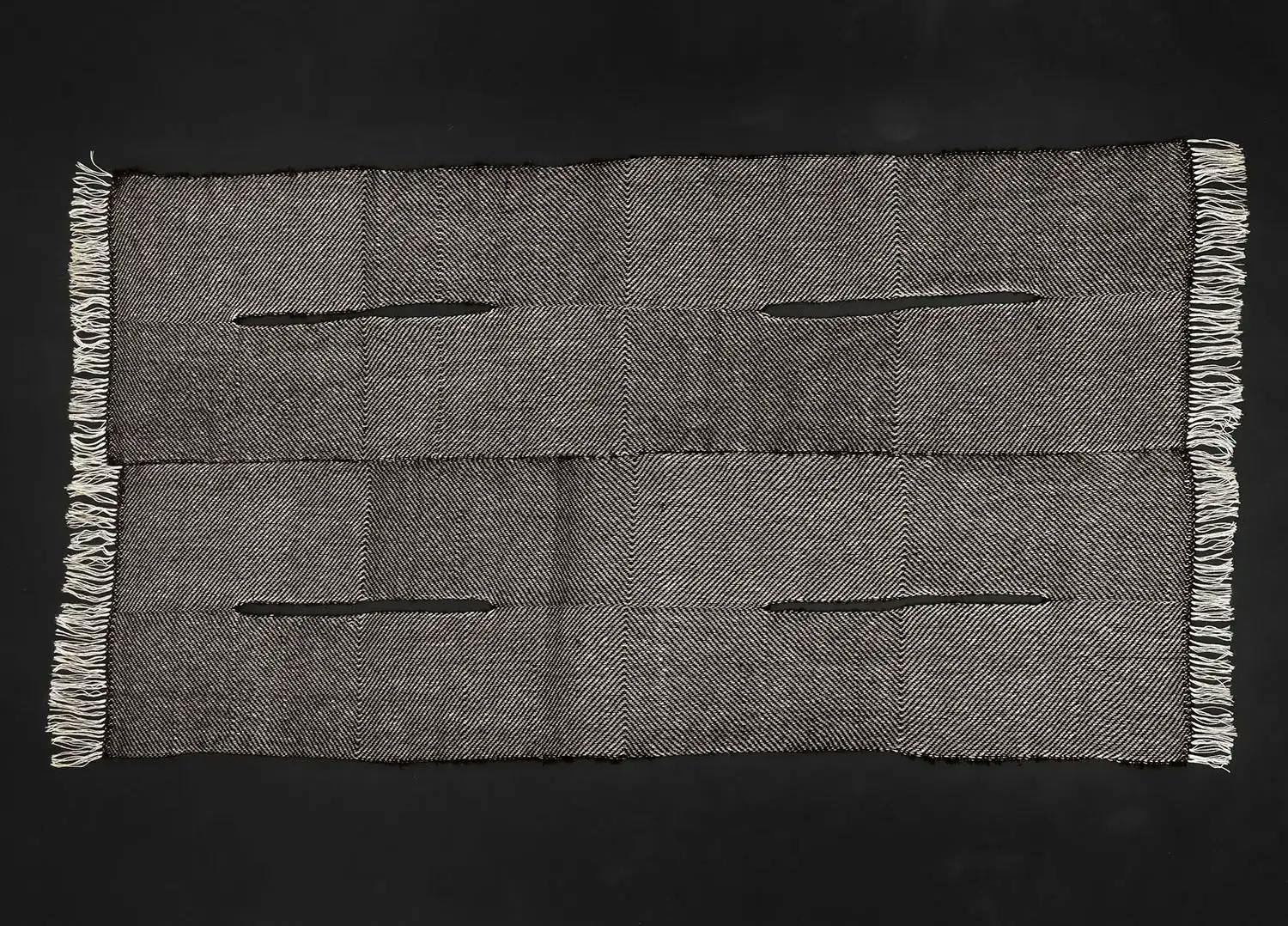
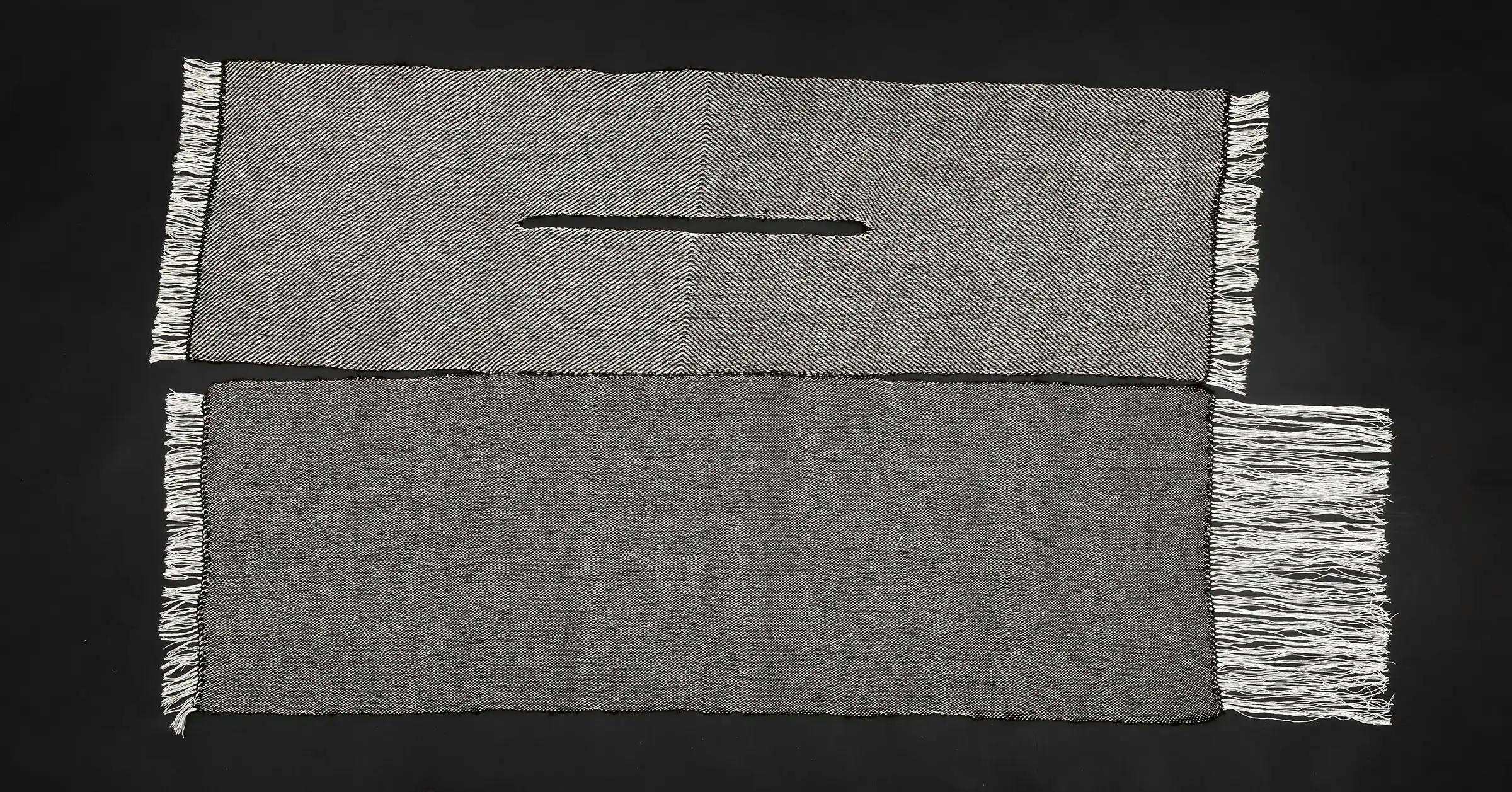
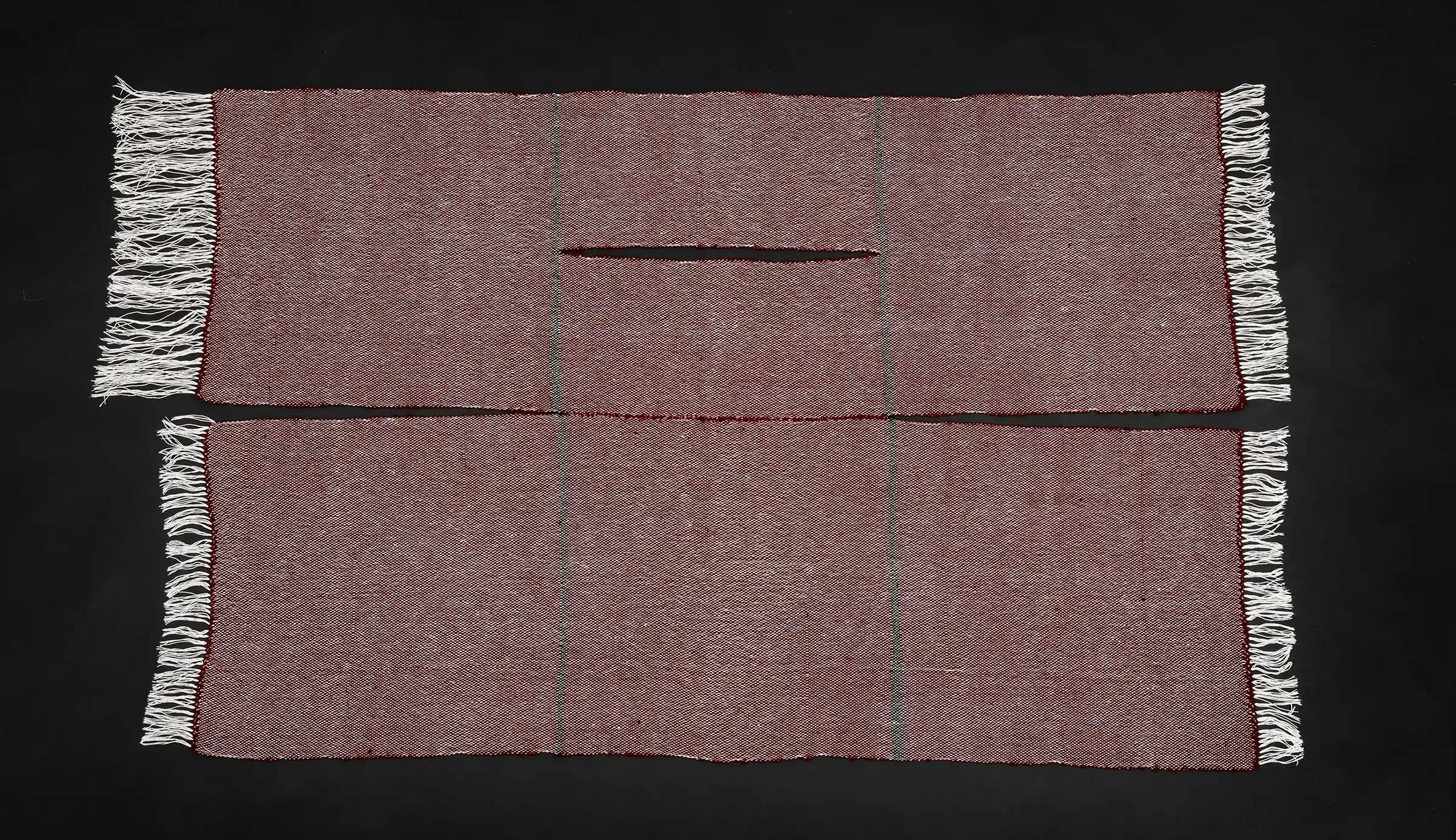
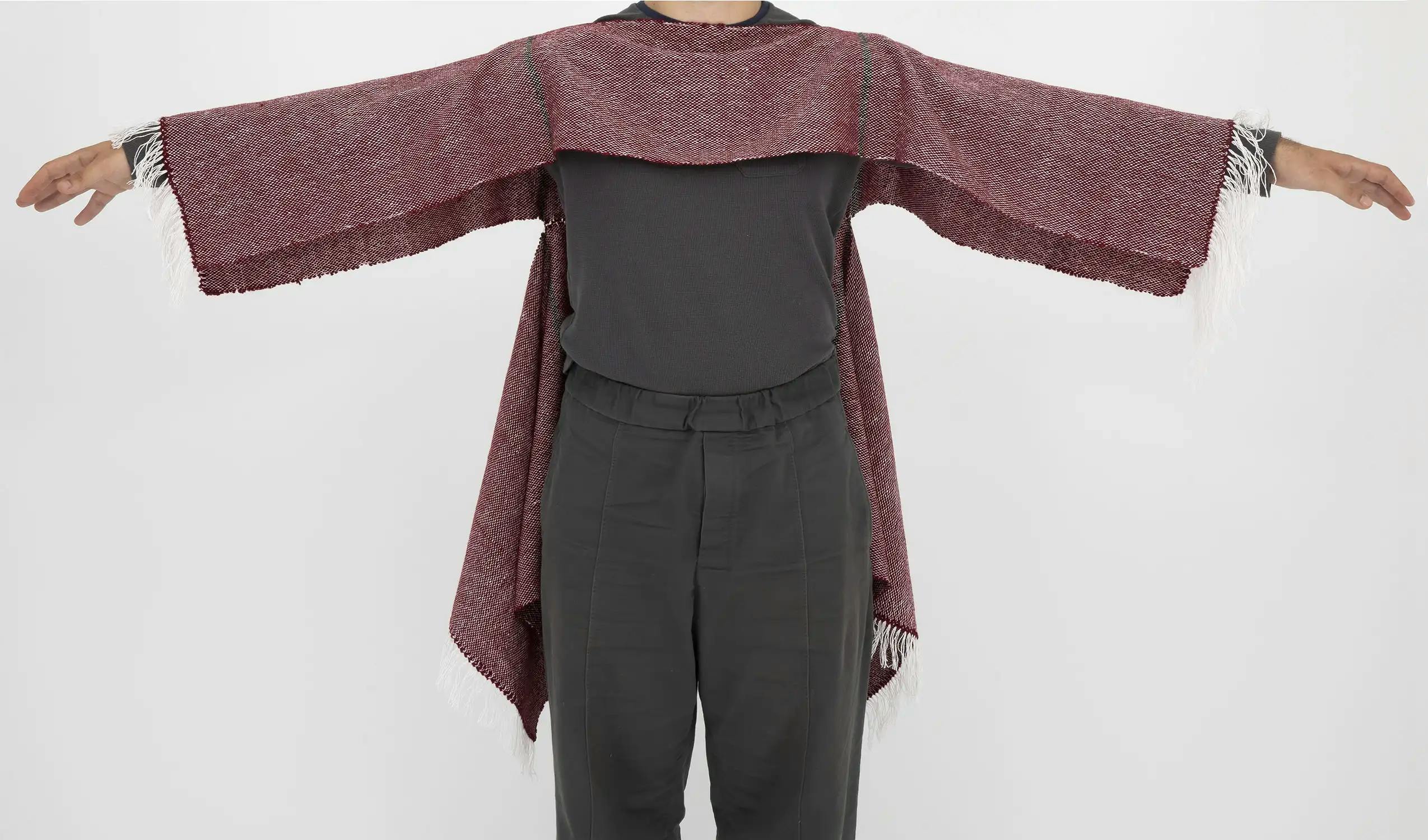
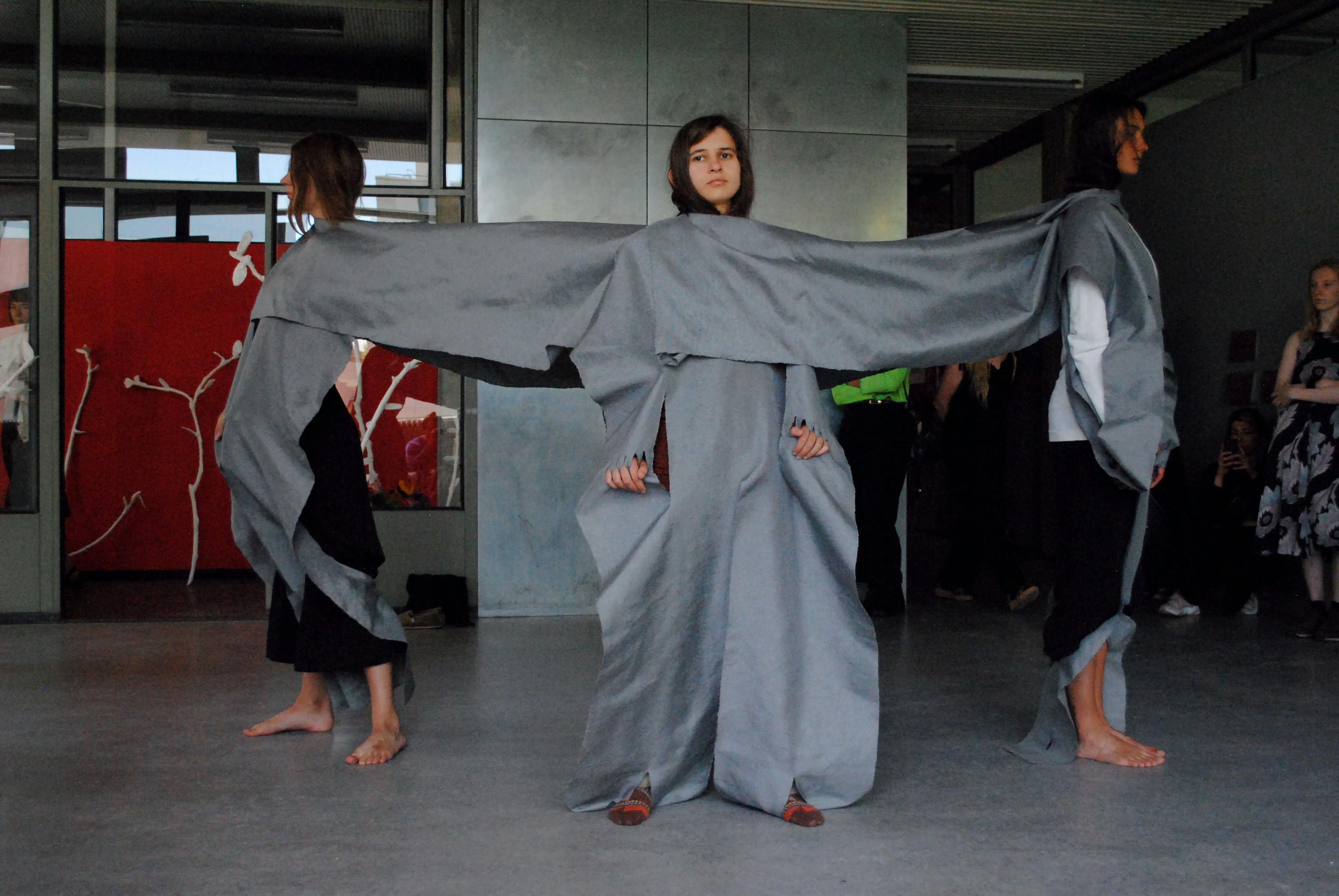
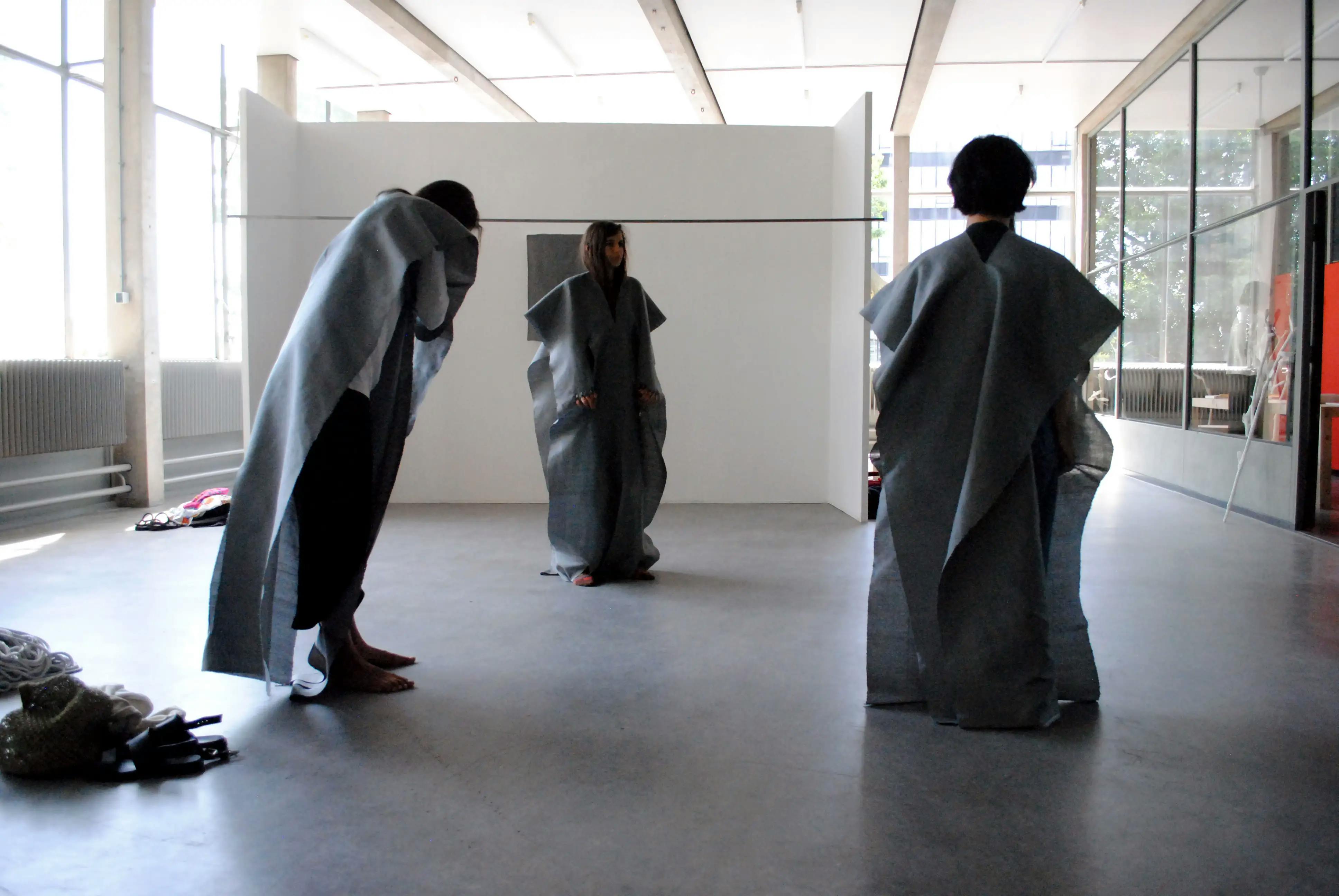
Cross-Cloth is a relational artwork that brings together movement, dialogue, and collective experience. Developed in collaboration, the work investigates how processes of migration shape bodily presence and perception within public space.
Through a series of personal conversations, the project explored the embodied impact of displacement and adaptation. These exchanges informed the creation of 4 unique textile pieces–each one made for and in relation to an individual participant. The textiles, interconnected through the form of a cross, evoke the notion of comradery: a shared sense of familiarity, support, and solidarity among individuals navigating common ground.
A choreography of bodies and cloth born within the interaction, emphasises connection through gesture and material. Cross-Cloth invites reflection on how textile can serve as a medium of mutual recognition, care, and memory across personal and cultural borders.
Cross-Cloth, Artist Book in edition of 10 (2019)
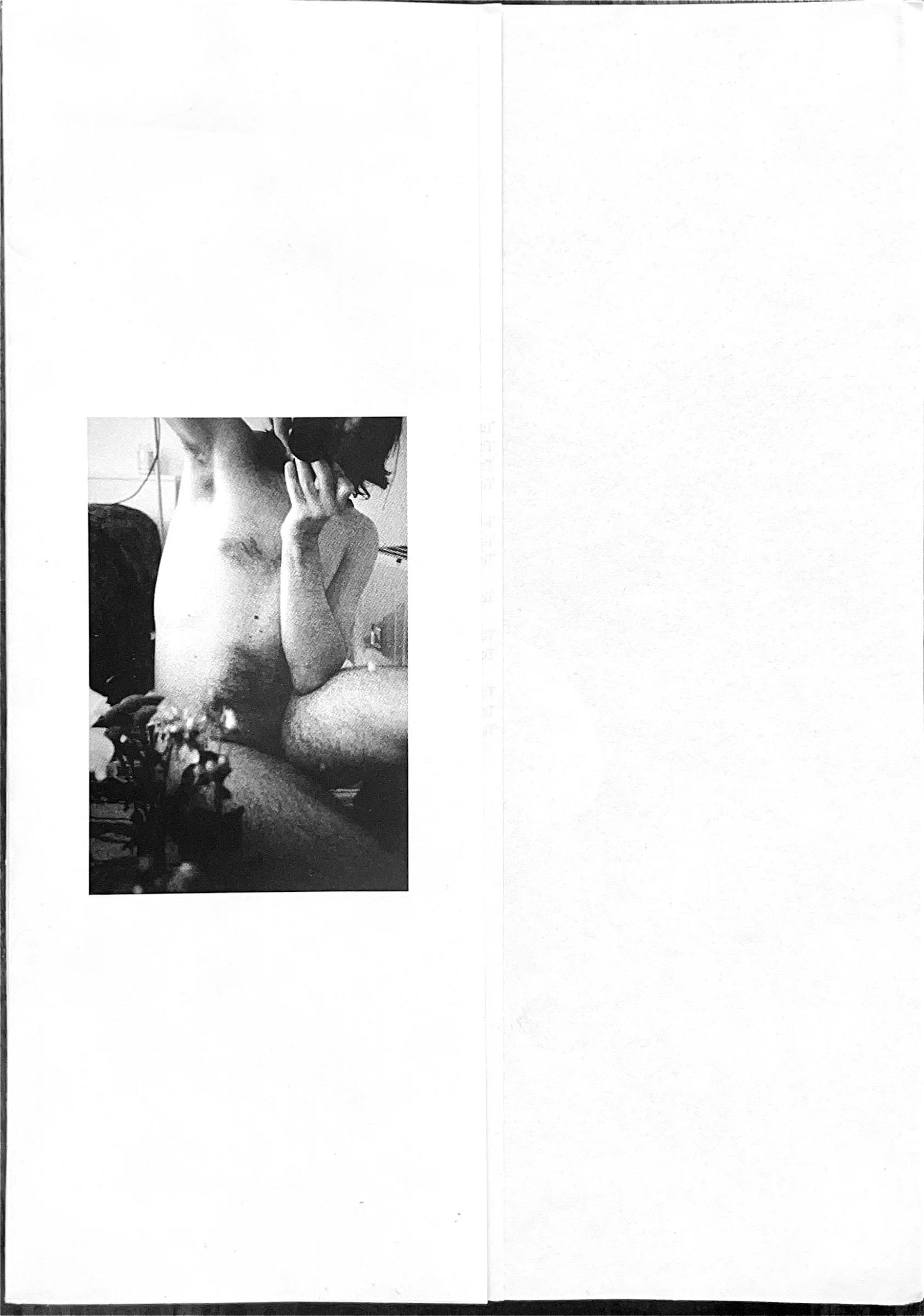
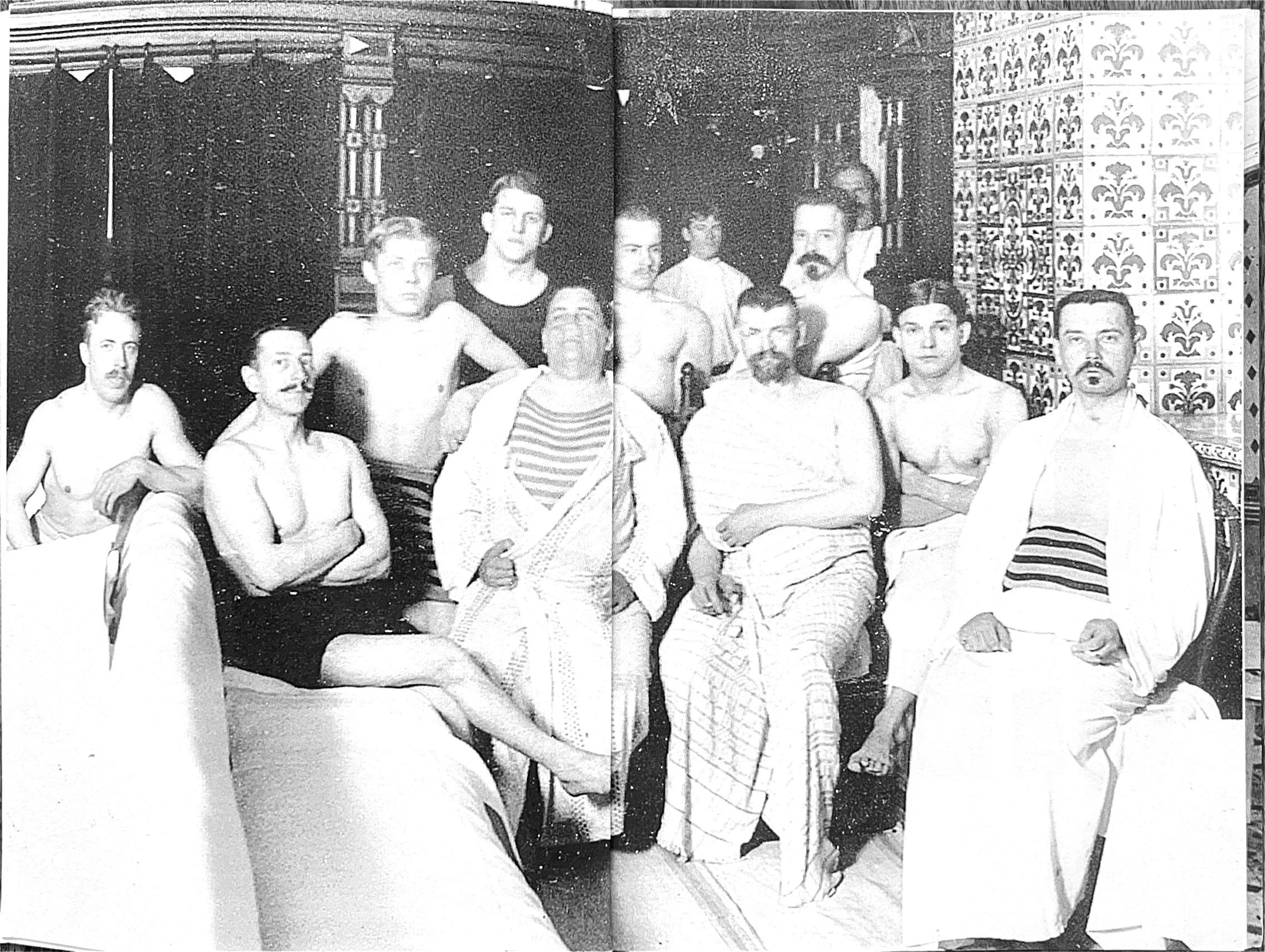
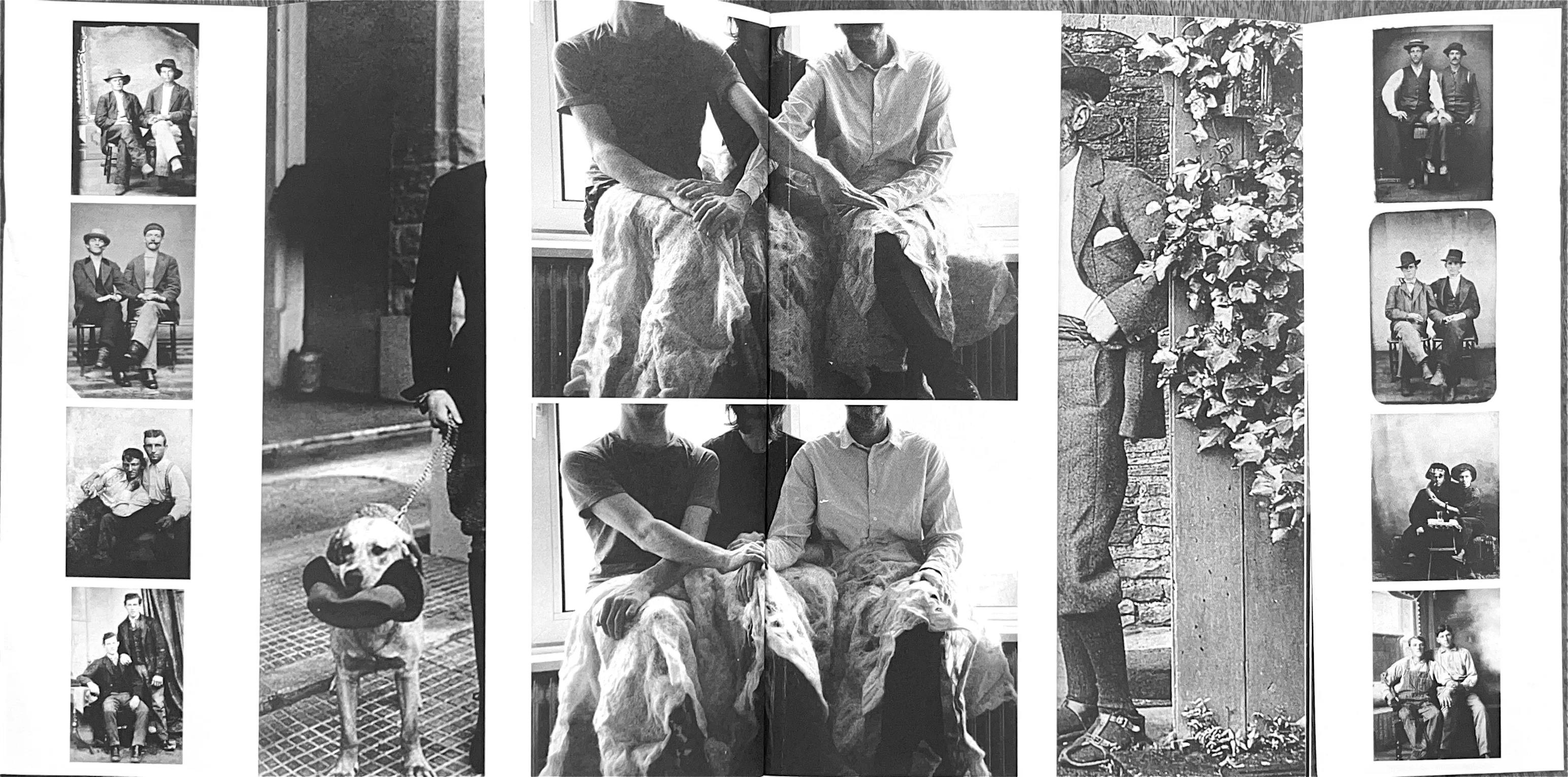
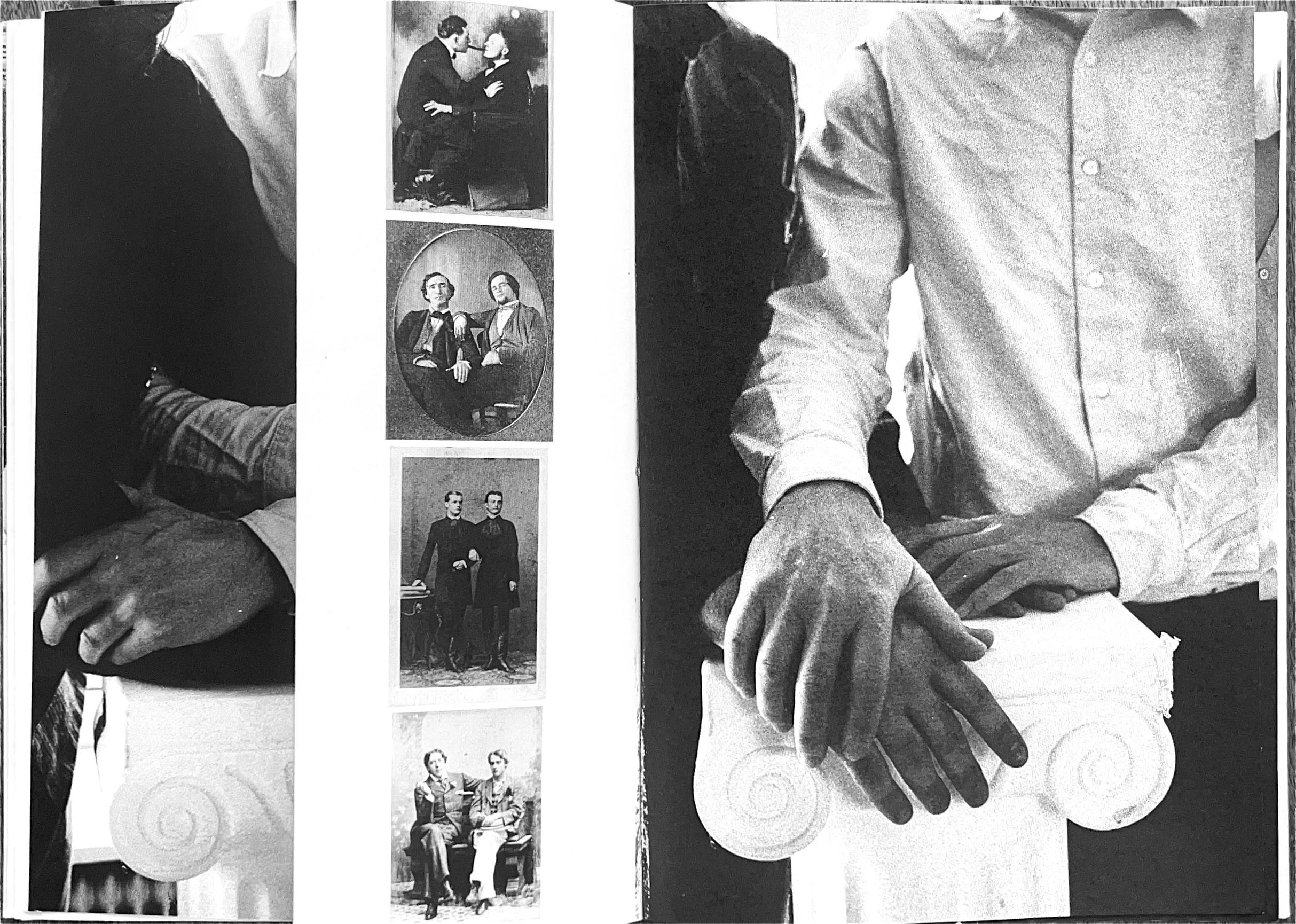
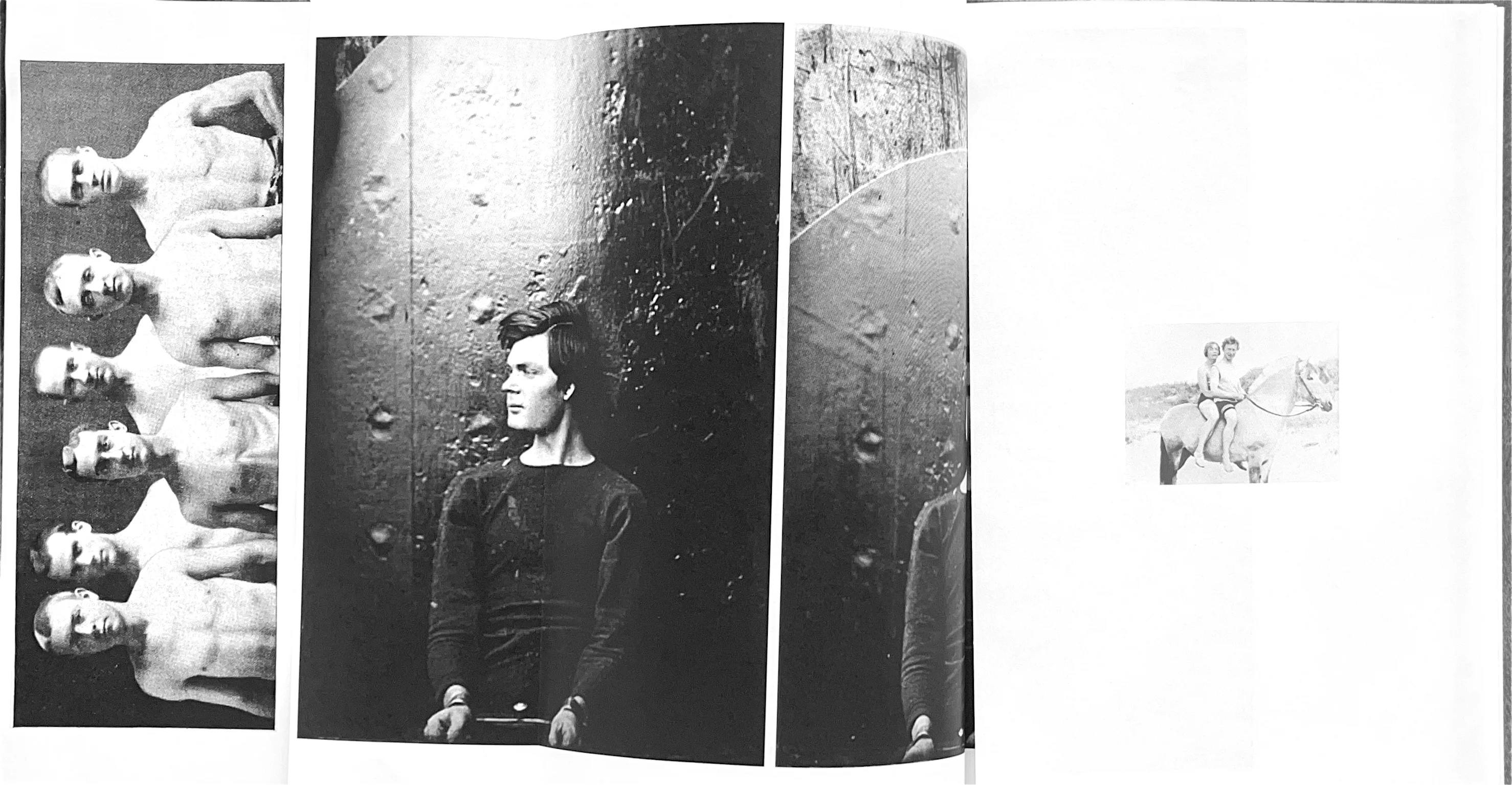
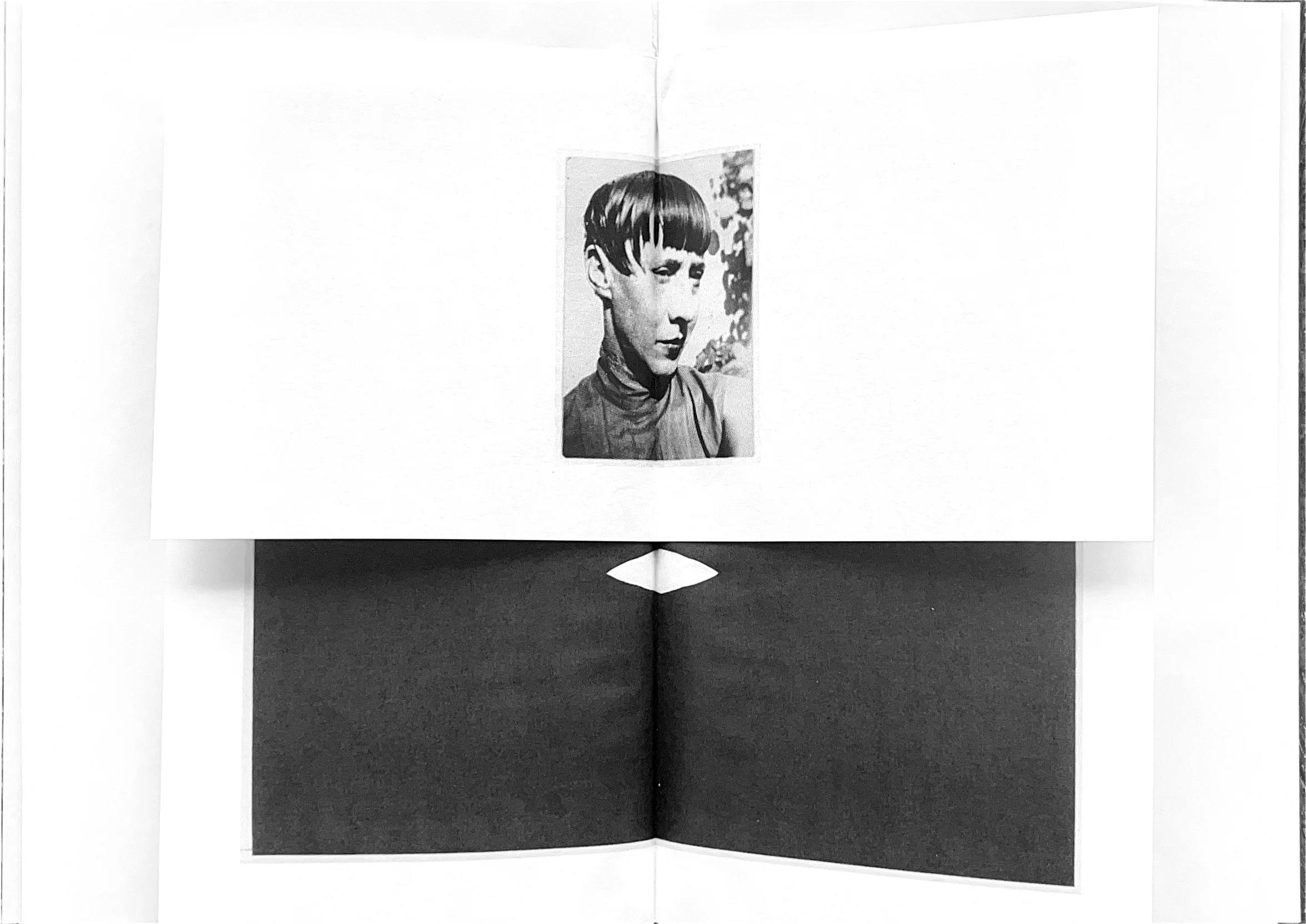
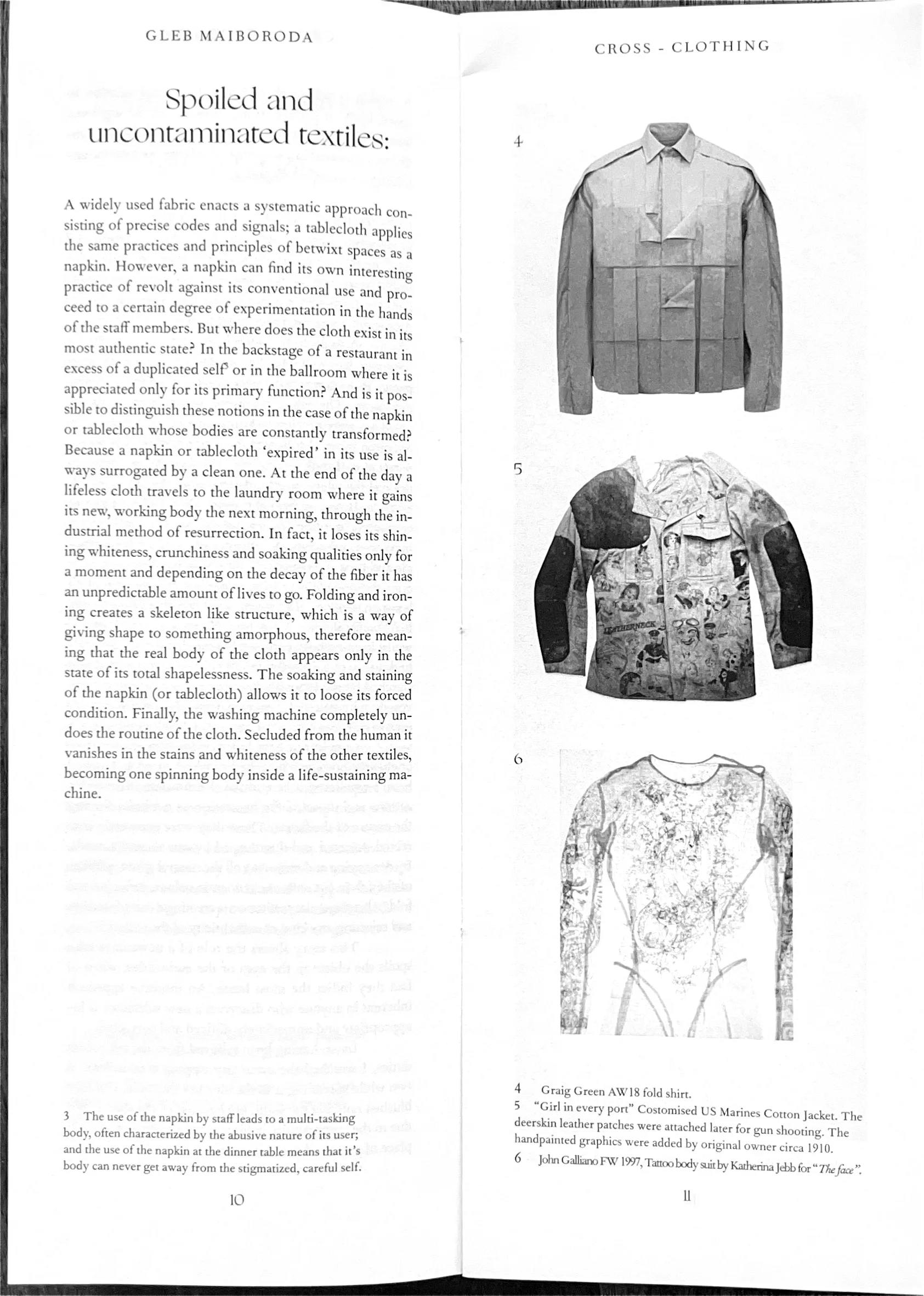
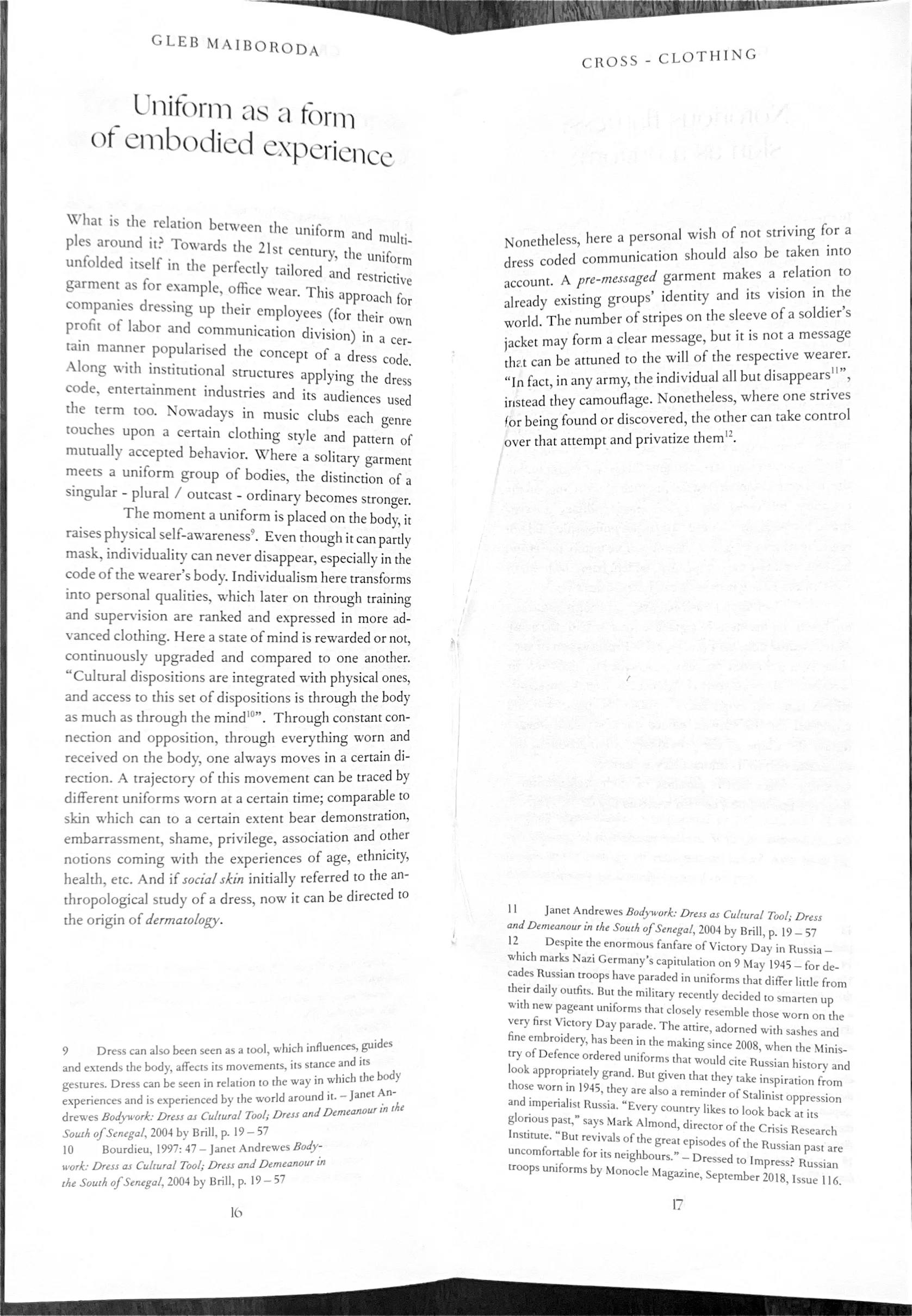
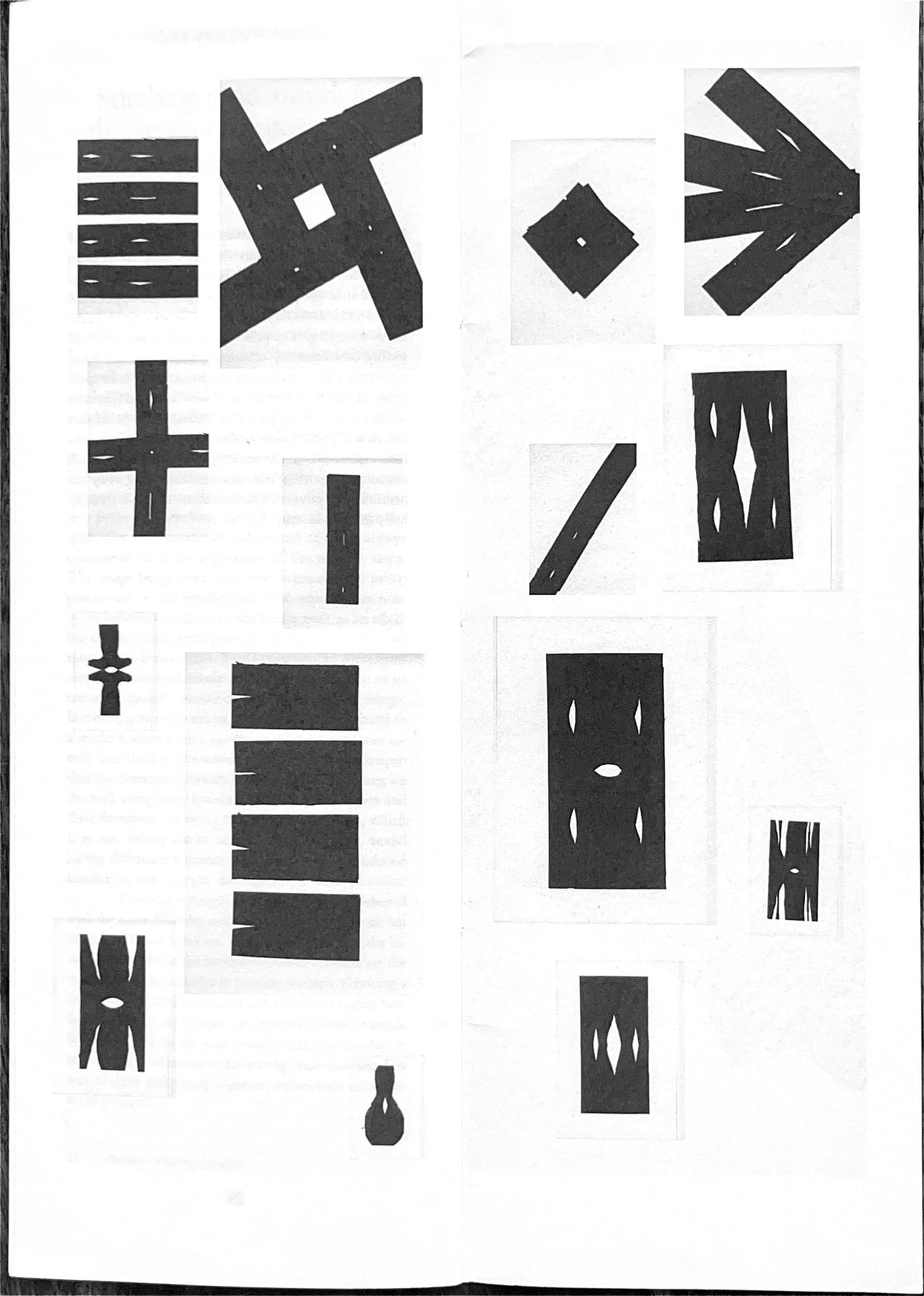
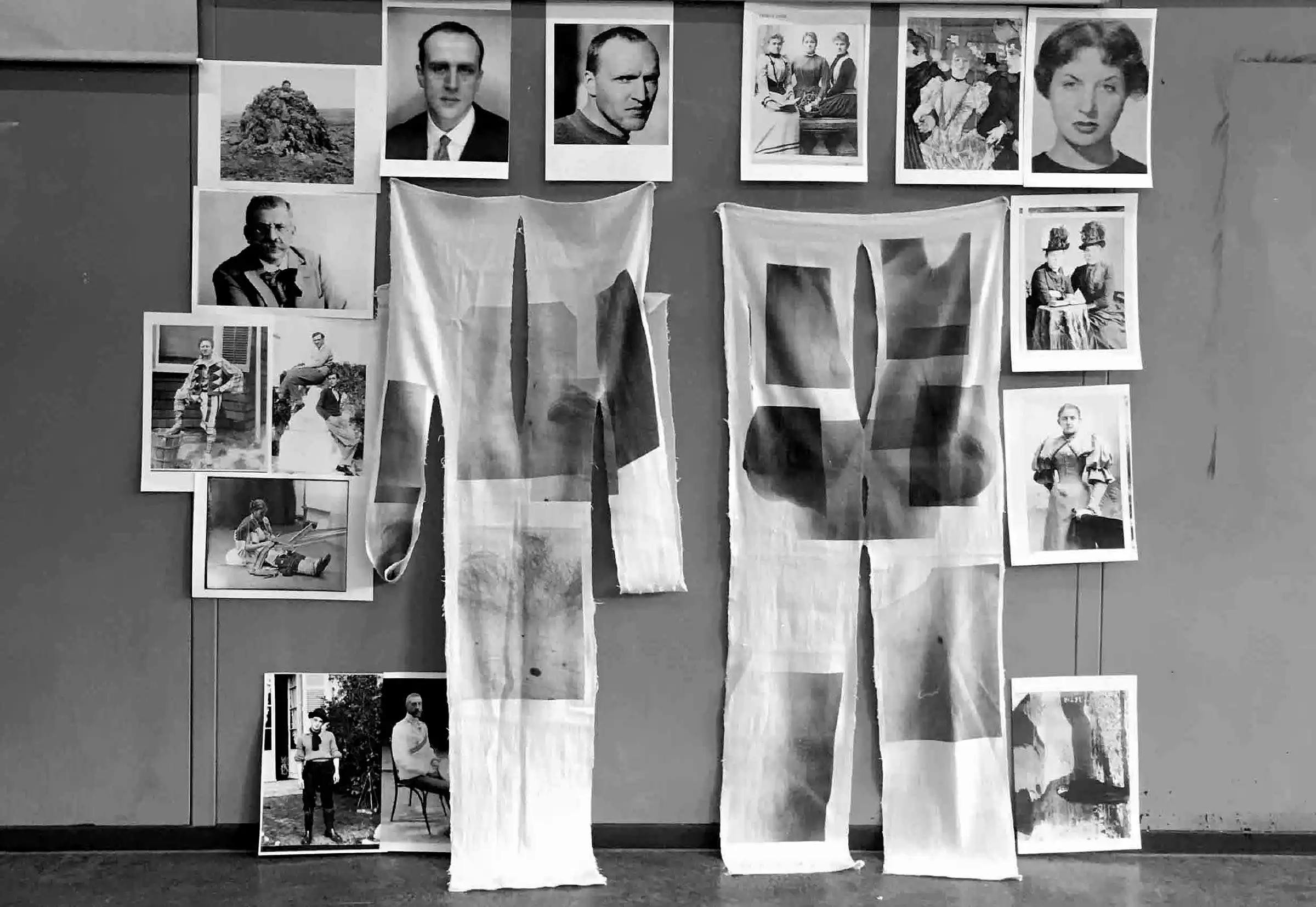
Cross-Cloth presents a critical inquiry into a 5-year accumulation of archival images. This artist book explores the idea of comradery within the visual culture and is structured as a multi-layered visual essay, challenging fixed readings through a fold-based design. Taking inspiration from the folds in textiles, this publication delves into the fold as a possibility for connection between unrelated sources and images.
Organised into chapters, the book invites the viewer to engage with it physically. Pages unfold both horizontally and vertically, creating an experience of movement and interruption. As images resurface and overlap across spreads, visual constellations begin to form, encouraging a nonlinear encounter with recurring motifs and shifting meanings.
Rather than prescribing a singular narrative, Cross-Cloth foregrounds the viewer’s role in constructing their own interpretation. Through the tactile act of folding and unfolding, the book becomes a site for personal navigation where memory, gaze, and desire intersect across a landscape of layered imagery.
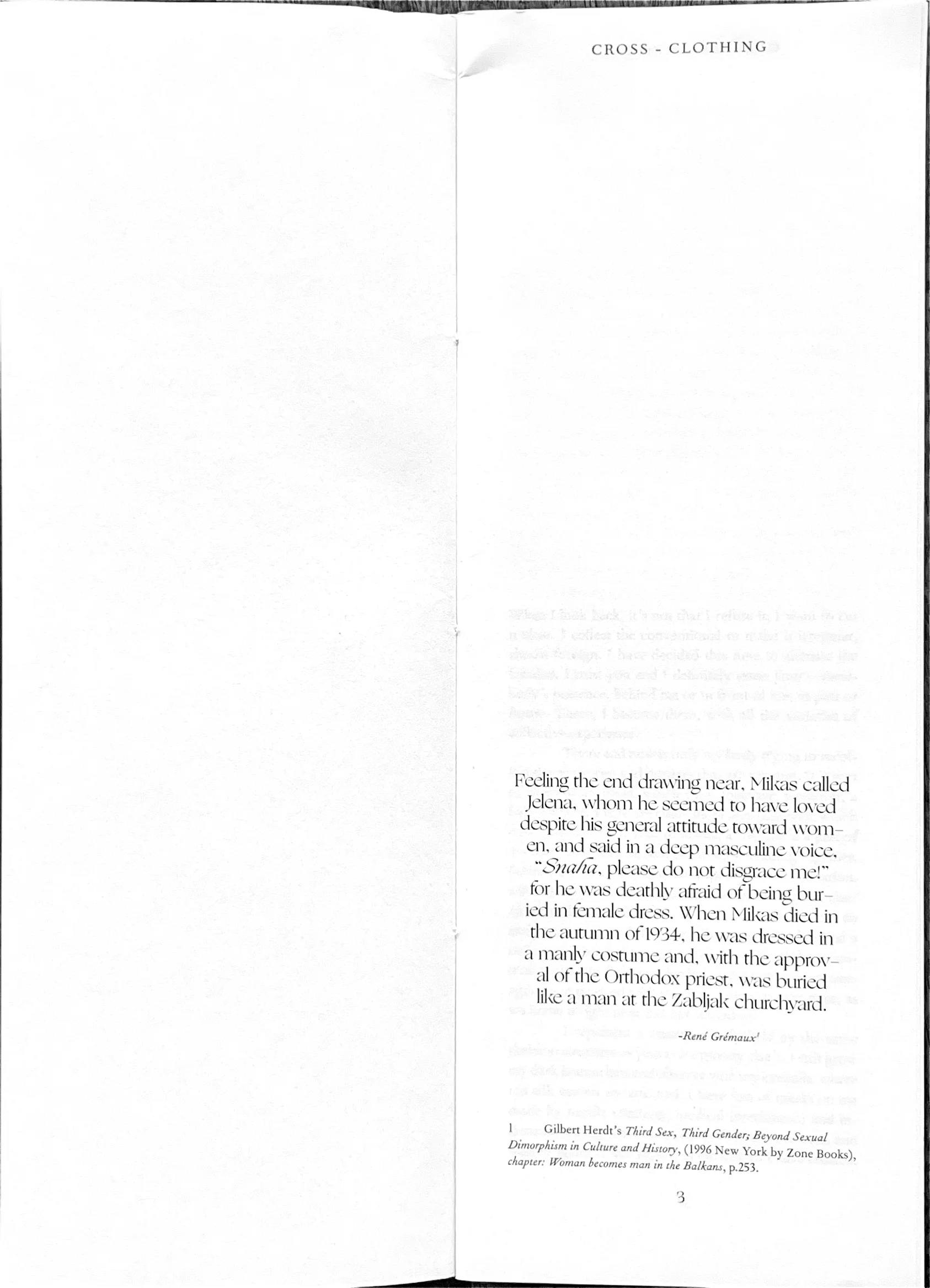
The book is supported with a thesis publication Cross-Clothing designed by Benedikte Hindstedgaard. This publication explores modes of identity production through different forms of folding and taking care of textile bodies, such as napkins, curtains, uniforms, and other.
About
Gļeb(s) Maiboroda (born 1994) is an artist, researcher, and educator based in Amsterdam. His practice investigates textiles, ritual, and embodied forms of knowledge as technologies for transmitting memory, social relations, and cultural values across time. Working across performance, installation, publication, and pedagogical formats, he examines how knowledge is woven into bodies, materials, and collective practices. Gļeb(s) explores how we can embrace the future without erasing and weaponising tradition. In the face of ever increasing polarisation and nationalism, they examine how cultural heritage–intended to preserve identity and foster connection–is often distorted to serve ideological agendas, turning a unifying force into one of division. Through material exploration and embodied practice, Gļeb(s) investigates ways to reclaim and reinterpret traditions and traditional knowledge, fostering dialogue and critical engagement.
Recent exhibitions and performances include: Prospects by Mondriaan, Rotterdam, NL (2026); The Wrong House Kortrijk, BE (2025) Temporary Art Center Eindhoven, NL (2024); Städtische Museum Deggendorf, DE (2024), Centrale Fies, IT (2023); Sonsbeek biennale, Arnhem, NL (2021). Their work has been published in various publications including Slow Technology Reader by Valiz (2025), Press & Fold Magazine (2022). Since 2021 they are teaching embodied practice and theory at the Textile (TXT) and Ceramics departments of the Rietveld Academy in Amsterdam. Their practice was supported by Mondriaan Fonds, Creative Industries Funds NL, Amarte Fonds, amongst others. In 2025, Gļeb(s) is a recipient of the Artist Start Stipendium from Mondriaan Funds.
CV
Born in Riga, Latvia (1994), lives and works in Amsterdam, The Netherlands.
Education
2021—2023MA DAI Art Praxis, ArtEZ University of Arts, Arnhem, NL
2015—2019BA Art and Design, Gerrit Rietveld Academy, Amsterdam, NL
Residencies & Research
2027Mets Art Center, Athens, GR
2021Artwell, Amsterdam, NL
Grants & Nominations
2025Expert Artist, Amarte Fonds, NL
2025Artist Start, Mondriaan Fonds, NL
2022Research grant, Stimuleringsfonds, NL
Recent Exhibitions & Collaborations
2026'Quartier Kortrijk' Kortrijk, BE (group)
2026Prospects, Art Rotterdam, NL (group)
2026'Auto-Somatics of Weaving' Looiersgracht 60, Amsterdam, NL (performance)
2025'We Already have Enough' The Wrong House, BE (solo)
2025'Anonymous' TAC, NL (group)
2025'CaccHho CucchhA' de Appel, Amsterdam, NL (workshops)
2025'The Throes/Spiritual Disobedience' Het Gemaal, Rotterdam, NL (collaboration)
2024'A Passage' de Bouwput, Amsterdam, NL (duo)
2024'Beyond the Veil' de Kluit, Amsterdam, NL (duo)
2023'Spin a Tale Anna' Städtische Museum, Deggendorf, DE (performance)
2023'The Weaver’s Handshake' Centrale Fies, Dro, IT) (performance)
2022'The Weaver’s Handshake' Amanei, Salina, IT (performance)
2021'Textiles of Resistance' Sonsbeek biënnale, Arnhem, NL (collaboration/group)
2020'1,5 Meter' Sound Light Color Atelier, Amsterdam, NL (group)
2020'Enveloping Bodies' Salwa Foundation, Amsterdam, NL (workshop)
Teaching
Writing
Publications
1. 'Weaving Values' Studies in Textiel, 2026 (NL)
2. Slow Technology Reader, Valiz, 2025, (NL) Link: https://valiz.nl/en/publications/slow-technology-reader
3. Textile Reader by Gloria Sögl, publication, 2025 (DE)
4. TXT Reader, Gerrit Rietveld Academie, 2024-2025, Amsterdam (NL)
5. Pure Holes—Bottomless Wounds, Press & Fold Magazine, Issue #2 on Resistance, 2022 (NL) Link: https://pressandfoldmagazine.com/
6. Nine Days, TXT (Textile) Department, Gerrit Rietveld Academie, 2019 (NL)
Artist Books
1. Shuttling Bodies: Automated Rhythms and the Somatics of Weaving, artist book in edition of 30, 2023, Amsterdam (NL)
2. Practicing to Thread (One’s Way), artist book in edition of 30, 2021, Amsterdam (NL)
3. Cross-Cloth, artist book in edition of 10, 2019, Amsterdam (NL)